


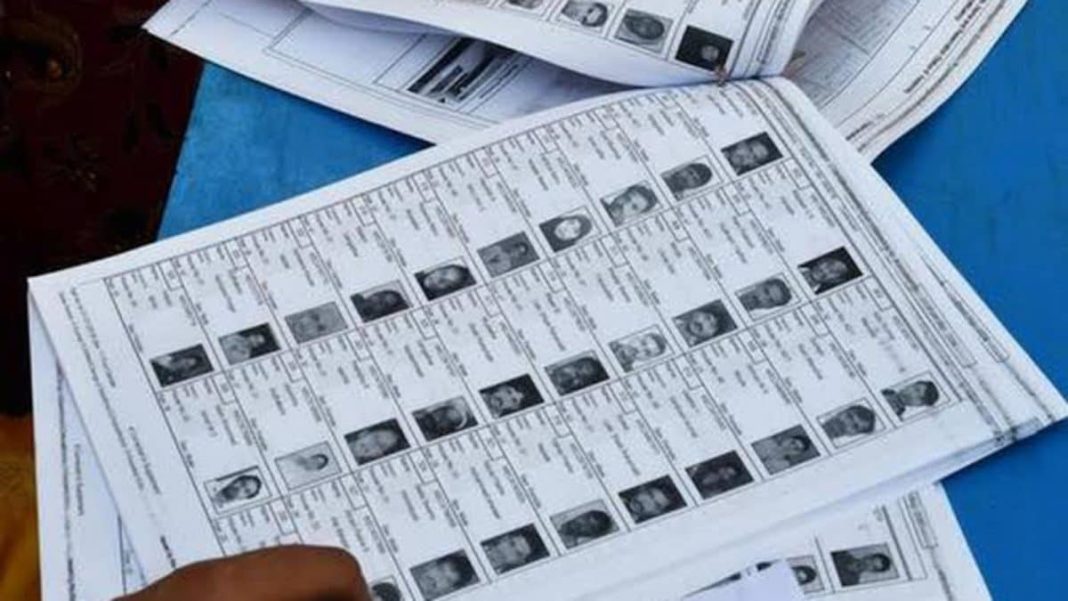
The integrity of India’s electoral process hinges on the accuracy and reliability of its voter rolls. In a development that has sent ripples across West Bengal and drawn national attention, the Election Commission (EC) is reportedly poised to undertake a monumental task: re-checking over 1 crore (10 million) forms from the Summary Revision of Electoral Rolls (SIR) in the state. The catalyst for this unprecedented scrutiny? A series of glaring discrepancies, including bizarre age anomalies where a father is listed as only 15 years older than his son, and a grandfather potentially under the age of 40.
This massive re-verification exercise underscores the EC’s unwavering commitment to ensuring a fair and transparent democratic process, especially crucial as various state and general elections loom on the horizon. The irregularities, if unaddressed, could significantly compromise the credibility of future polls in West Bengal.
The Anomaly Uncovered: Red Flags in Bengal’s Electoral Rolls
The alarm bells began ringing during a routine data analysis and review of the electoral rolls. EC officials discovered a pattern of highly unusual entries that defied demographic logic. Beyond the startling age discrepancies – such as a supposed father being born in 1990 and his son in 2005, or a grandmother sharing the same birth year as her grandchild’s father – other irregularities compounded the concern.
These include instances of voters registered at non-existent addresses, incomplete residential details, multiple entries for the same individual, and a surprising number of deceased voters still populating the active lists. While minor discrepancies are not uncommon in large-scale data management, the sheer volume and the peculiar nature of these anomalies in West Bengal’s SIR forms suggest a systemic issue that demands immediate and thorough investigation. The figure of over 1 crore forms under scanner is staggering, representing a substantial portion of the state’s total electorate and pointing towards potential vulnerabilities in the initial data collection and verification processes.
EC’s Mandate for Purity: Why Re-verification is Crucial
The Election Commission of India is the constitutional body responsible for administering elections and maintaining the purity of the electoral roll. Its directive for a comprehensive re-check in West Bengal is a testament to its dedication to upholding the foundational principles of Indian democracy. An accurate electoral roll is not merely an administrative detail; it is the bedrock upon which free and fair elections are built. Discrepancies, whether accidental or intentional, can lead to disenfranchisement of genuine voters or, conversely, facilitate fraudulent voting practices.
This re-verification drive is a critical step towards sanitising the electoral database. By identifying and rectifying these errors, the EC aims to prevent any attempts at manipulation, ensure that every eligible citizen has the right to vote, and that no ineligible individual can cast a ballot. “The integrity of the voter list is paramount to the health of our democracy,” stated a senior official within the Election Commission, emphasising the gravity of the situation. “These peculiar discrepancies demand a meticulous re-evaluation to ensure that every vote cast truly represents an eligible citizen, free from error or undue influence.” The exercise is particularly significant given West Bengal’s often politically charged landscape, where even minor perceived irregularities can escalate into major controversies.
The Road Ahead: Challenges and Implications
The task ahead for the Election Commission and state election machinery in West Bengal is formidable. Re-verifying over 1 crore forms will require significant manpower, resources, and time. Booth Level Officers (BLOs) and other election officials will have to conduct extensive ground-level checks, visiting addresses, interviewing residents, and cross-referencing data to ascertain the veracity of each flagged entry. This process is complex, time-consuming, and susceptible to its own set of logistical challenges.
The implications of this re-verification are far-reaching. On one hand, it offers an opportunity to significantly enhance the accuracy and credibility of West Bengal’s electoral rolls, thereby strengthening the democratic process. On the other hand, the exercise could potentially lead to the deletion of a large number of names, which might spark political debate and allegations of deliberate disenfranchisement from various parties. Transparency in the re-verification process and clear communication with affected voters will be crucial to mitigate such concerns.
Ultimately, this initiative by the EC is a powerful reminder that vigilance is key to preserving the sanctity of the ballot. As India gears up for crucial electoral battles, the cleaning of voter lists in states like West Bengal is an indispensable step towards ensuring that the voice of every genuine voter is heard and respected, solidifying the nation’s democratic foundations.

