


“`html
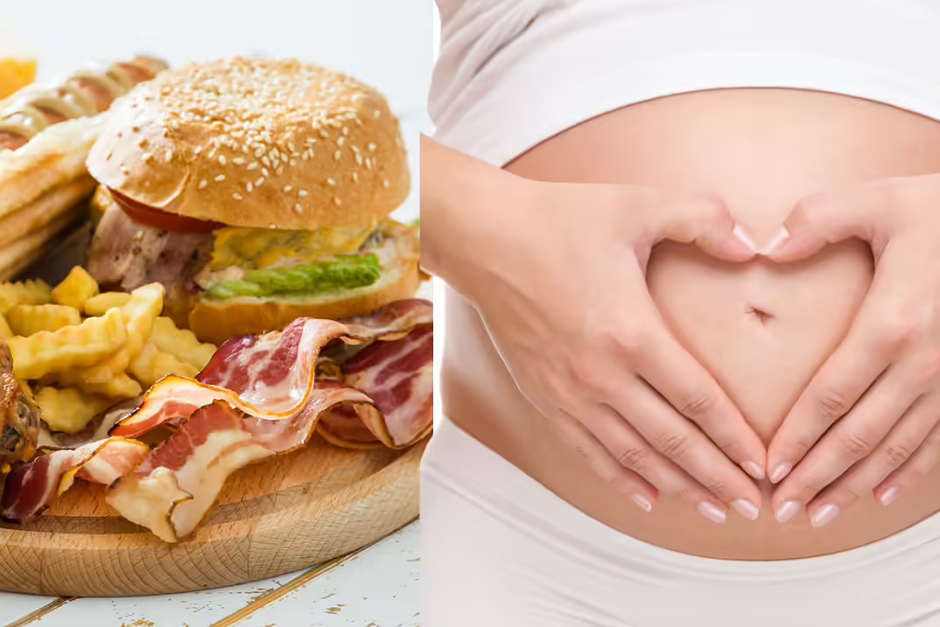
In a nation grappling with the dual challenge of undernutrition and the escalating burden of obesity, a new study offers crucial insights that could redefine our approach to maternal health and public policy. The research indicates a compelling link between a mother’s dietary choices during pregnancy—particularly the consumption of fat-rich and ultra-processed junk foods—and her child’s propensity to gain weight later in life. For a country like India, where dietary patterns are rapidly evolving and lifestyle diseases are on the rise, these findings underscore the urgent need for heightened awareness and preventive strategies.
The Fetal Foundation: How Maternal Diet Shapes Future Health
The study, which meticulously tracked dietary habits of expectant mothers and the subsequent health trajectories of their children over several years, reveals a significant correlation. Children born to mothers who frequently consumed diets high in saturated fats, refined sugars, and processed ingredients demonstrated a higher body mass index (BMI) and an increased risk of overweight or obesity during childhood and adolescence. This isn’t merely about immediate caloric intake; the research suggests a deeper, more profound impact on the developing fetus.
During pregnancy, the mother’s diet acts as a blueprint, providing not just nutrients but also signals that can program the baby’s metabolism for life. A diet abundant in unhealthy fats and sugars may lead to what scientists call “metabolic programming.” This means that the fetal environment, shaped by the mother’s food choices, can alter how the child’s body processes food, stores fat, and regulates appetite long after birth. In the Indian context, the increasing accessibility and popularity of fast food chains, packaged snacks like chips and biscuits, and sugary beverages mean that many pregnant women, especially in urban areas, are exposed to diets that deviate significantly from traditional, nutrient-dense meals.
“The idea of ‘eating for two’ often gets misinterpreted, leading to overconsumption or indulgence in less healthy options,” observes Dr. Priya Sharma, a renowned nutritionist based in Bengaluru. “This study reinforces what many of us have suspected: the quality of those extra calories is paramount. A mother’s diet during pregnancy isn’t just feeding her; it’s shaping her child’s lifelong metabolic health and susceptibility to chronic diseases like diabetes and heart conditions, which are already rampant in India.”
Beyond Calories: Understanding the Biological Mechanisms
The mechanisms behind this intriguing link are complex and multifaceted. One key area of focus is epigenetics – changes in gene expression that don’t involve altering the underlying DNA sequence. A mother’s diet can epigenetically “switch” genes on or off in the fetus, influencing traits like fat storage, insulin sensitivity, and appetite regulation. For instance, an excess of certain nutrients or the presence of inflammatory compounds from junk food might program the child’s body to store fat more efficiently or to have a lower metabolic rate, making them more prone to weight gain.
Another critical factor is the development of the child’s gut microbiome. The mother’s gut bacteria, influenced by her diet, can be passed on to the infant during birth. A maternal diet rich in unhealthy fats and sugars can foster an imbalance in the gut microbiota, potentially impacting the child’s immune system, nutrient absorption, and propensity for weight gain. Given the rich diversity of traditional Indian diets, which often include fermented foods and a wide array of plant-based ingredients, a shift towards Westernized, processed foods could have significant implications for the gut health of future generations.
Paving the Way for Healthier Futures in India
The findings of this study carry profound implications for public health initiatives in India. With childhood obesity rates steadily climbing and a projected rise in non-communicable diseases, early intervention is more crucial than ever. Emphasising balanced nutrition during antenatal care, providing accessible education on healthy food choices, and promoting traditional, whole-food-based diets can empower expectant mothers to make informed decisions.
It’s not about restrictive dieting but about conscious, nourishing choices – prioritising fresh fruits, vegetables, whole grains, lean proteins, and healthy fats while limiting processed foods, sugary drinks, and excessive fried snacks. By understanding that a mother’s plate truly influences her child’s future well-being, we can collectively work towards fostering a healthier generation, breaking the intergenerational cycle of obesity and associated metabolic disorders in India.
The message is clear: the journey to a healthy life begins in the womb, and thoughtful dietary choices by mothers are perhaps one of the most powerful investments we can make in the health of our children and the nation.

