


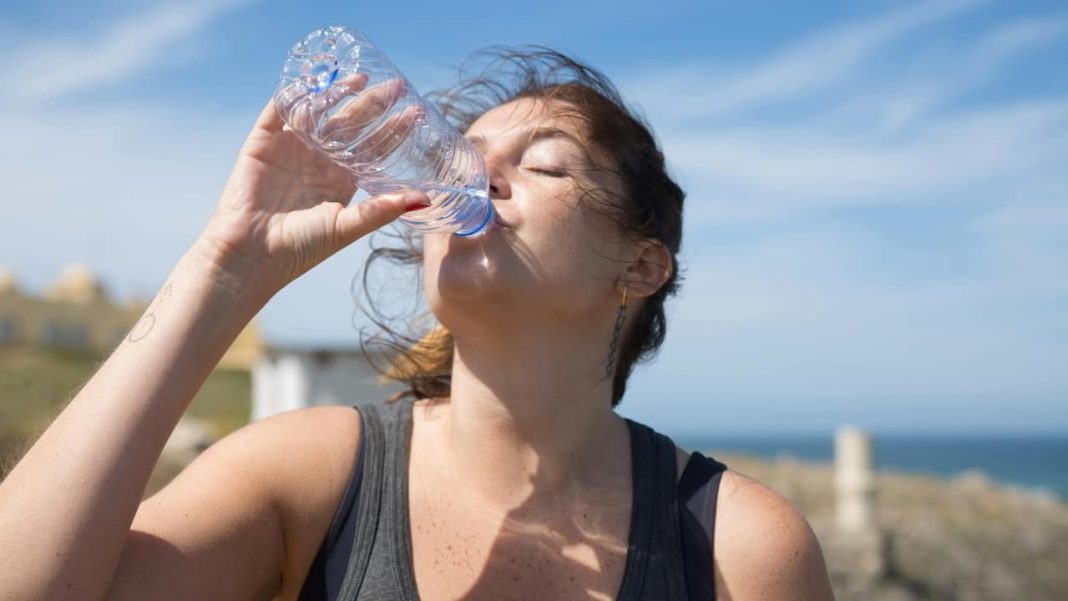
As the mercury continues its relentless climb across India, the pervasive threat of extreme heat looms larger than ever. With states reporting unprecedented temperatures and heatwave alerts becoming a routine bulletin, public health experts are sounding alarms about the escalating risk of heatstroke. This severe, life-threatening condition demands immediate attention and proactive prevention, making awareness and preparedness crucial for every individual and household.
Understanding the Peril: What is Heatstroke?
Heatstroke represents the gravest form of heat-related illness, occurring when the body overheats to a temperature of 40°C (104°F) or higher. Unlike milder conditions such as heat cramps or heat exhaustion, heatstroke signifies a catastrophic failure of the body’s thermoregulation system. The body loses its ability to cool itself down through sweating, leading to a rapid rise in core temperature that can severely damage vital organs.
The symptoms of heatstroke are stark and demand immediate medical intervention. These include a throbbing headache, dizziness, confusion, nausea, and in severe cases, seizures or loss of consciousness. While some individuals might exhibit hot, dry skin, others may continue to sweat profusely. A rapid, strong pulse and rapid, shallow breathing are also common indicators. The immediate danger lies in the potential for permanent damage to the brain, heart, kidneys, and muscles, with fatalities being a tragic possibility if left untreated. It’s a medical emergency, not merely discomfort, and recognising its signs quickly can be the difference between recovery and irreversible harm.
Four Essential Strategies to Combat the Heat
1. Prioritise Hydration and Electrolyte Balance
Staying adequately hydrated is the cornerstone of heatstroke prevention. In the scorching Indian climate, the body loses significant fluids and electrolytes through sweat. Therefore, merely drinking water might not suffice. It is crucial to consume plenty of fluids throughout the day, even if you don’t feel thirsty. Opt for water, oral rehydration solutions (ORS), tender coconut water, buttermilk (chaas), and fresh fruit juices like lime water or Aam Panna. These not only replenish fluids but also restore essential salts and minerals. Avoid sugary drinks, alcohol, and excessive caffeine, as these can contribute to dehydration rather than alleviating it. Carry a water bottle and sip regularly, particularly when outdoors.
2. Dress Appropriately and Seek Shade
Your clothing choices and environmental awareness play a significant role in managing body temperature. Opt for lightweight, loose-fitting, light-coloured cotton clothing that allows your skin to breathe and reflects sunlight, rather than absorbing it. Dark, tight, synthetic fabrics trap heat and hinder the body’s natural cooling mechanisms. When venturing outdoors, protect yourself from direct sun exposure by wearing wide-brimmed hats, sunglasses, and carrying an umbrella. It is also advisable to limit outdoor activities, especially strenuous ones, during the peak heat hours, typically between 12 PM and 4 PM. Seek shade or air-conditioned environments whenever possible, taking frequent breaks if you must be outside.
3. Modify Diet and Meal Patterns
What you eat can also influence your body’s internal heat production. During extreme heat, it’s beneficial to consume lighter, smaller, and more frequent meals rather than heavy, rich ones. Incorporate hydrating foods with high water content into your diet, such as cucumbers, watermelon, gourds (like lauki and tori), and other seasonal fruits and vegetables. These foods not only provide essential nutrients but also contribute to fluid intake. Conversely, minimise the consumption of heavy, oily, spicy, and fried foods, which require more metabolic energy to digest, thereby increasing body heat. Traditional Indian preparations like curd rice or salads can be excellent cooling options.
4. Listen to Your Body and Be Prepared
Self-awareness is paramount in preventing heatstroke. Pay close attention to your body’s signals. If you experience symptoms like excessive sweating, fatigue, dizziness, muscle cramps, or nausea, immediately move to a cooler place, rehydrate, and rest. Do not push through discomfort. It’s also important to check on vulnerable individuals – the elderly, infants, young children, and those with chronic illnesses – as they are more susceptible to heat-related conditions and may not always recognise their own symptoms. Ensure they have access to cool environments and adequate fluids. Keep a basic first-aid kit ready, and know the nearest medical facilities and emergency contact numbers, especially if you or someone you know spends considerable time outdoors.
Dr. Anjali Verma, a renowned public health specialist based in Delhi, stresses, “Heatstroke is an entirely preventable condition. Our collective vigilance, from individual hydration practices to community-level awareness, is our strongest shield against this silent killer. Early recognition and immediate action are non-negotiable.”
As India braces for what promises to be another challenging summer, understanding the risks associated with extreme heat and diligently following preventive measures is not just advisable, but essential. By adopting these four strategies – staying hydrated, dressing wisely, eating mindfully, and listening to our bodies – we can collectively mitigate the devastating impact of heatstroke and ensure a safer, healthier season for everyone.

