


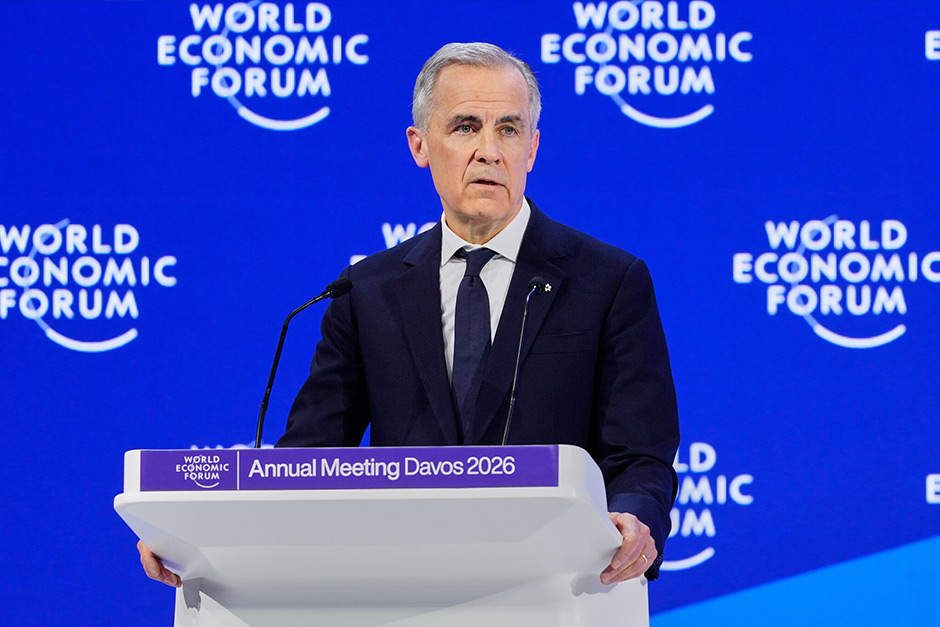
The annual gathering of the world’s elite in Davos often feels like a barometer for global anxieties and aspirations. And for a significant period, the mere mention of one name seemed to echo through the Swiss Alps louder than any other: Trump. Yet, amidst the incessant chatter about trade wars, tweets, and geopolitical shifts, a different kind of influence was quietly, yet powerfully, asserting itself. While the American president undeniably dominated headlines and hallway conversations, it was Canada’s Mark Carney who emerged as the subtle, substantive star, steering the discourse towards the critical, long-term challenges facing humanity.
The Echo Chamber of Trump’s Influence
There’s no denying the magnetic pull of the presidency. President Trump’s policies, his approach to international relations, and his very persona were the inescapable backdrop for discussions at Davos. Whether attendees were business leaders grappling with tariffs, policymakers navigating global tensions, or economists forecasting market volatility, the “Trump factor” was always present. His administration’s “America First” stance sent ripples through every sector, from manufacturing supply chains to technology regulation.
Every plenary session, every private dinner, and every networking reception seemed to orbit around the implications of US policy. Leaders were dissecting the future of global trade, the stability of international alliances, and the potential for new economic paradigms, all seen through the lens of Washington’s current direction. It was a testament to the sheer weight of the office and the unpredictable nature of its occupant that such a significant portion of the Davos dialogue remained fixated on this singular, dominant force. As one veteran Davos attendee, a seasoned European policymaker, was heard noting, “You couldn’t escape the discussion about President Trump. It was like the background hum to every conversation, whether you loved it or loathed it. It dictated the mood.”
Mark Carney: The Substance Beyond the Soundbite
While the immediate political drama unfolded, Mark Carney, then Governor of the Bank of England and UN Special Envoy for Climate Action and Finance, was carving out a different kind of legacy. His presence at Davos was not about immediate political spectacle, but about profound, systemic change. Carney wasn’t just talking about climate change; he was speaking in the language of finance, risk management, and economic opportunity, articulating the urgent need for a massive reallocation of capital to address the climate crisis.
Carney’s messaging was precise and compelling. He detailed how climate-related financial risks were becoming a material concern for investors, insurers, and central banks. He pushed for standardized climate disclosures, clearer roadmaps for net-zero transitions, and the innovative financial instruments required to fund the green transformation. His arguments transcended national politics, appealing instead to the universal logic of economic stability and long-term prosperity. He offered not just analysis, but actionable solutions, bridging the often-separate worlds of environmental science and high finance.
His quiet authority, intellectual depth, and ability to connect complex financial concepts with pressing global challenges stood in stark contrast to the more volatile, short-term focus surrounding the US presidency. For many looking beyond the immediate political cycle, Carney presented a vision for how the global financial system itself could be re-engineered to tackle humanity’s greatest threat. He wasn’t chasing headlines; he was shaping the future of global capital, a far more impactful endeavor in the long run.
Redefining Stardom at the Global Forum
Davos, at its core, is a stage for ideas and influence. While President Trump undoubtedly commanded the spotlight through sheer force of personality and the immense power of his office, Mark Carney exemplified a different, perhaps more enduring, form of stardom. He wasn’t the loudest voice, nor the most controversial, but his was the voice that offered a clear, well-reasoned path forward on an issue that will define generations. For those seeking genuine progress on global challenges rather than just political commentary, Carney provided the intellectual heft and strategic vision. He was the star not of the moment, but of the movement, quietly but effectively guiding the world’s most powerful toward a more sustainable and financially sound future.

