


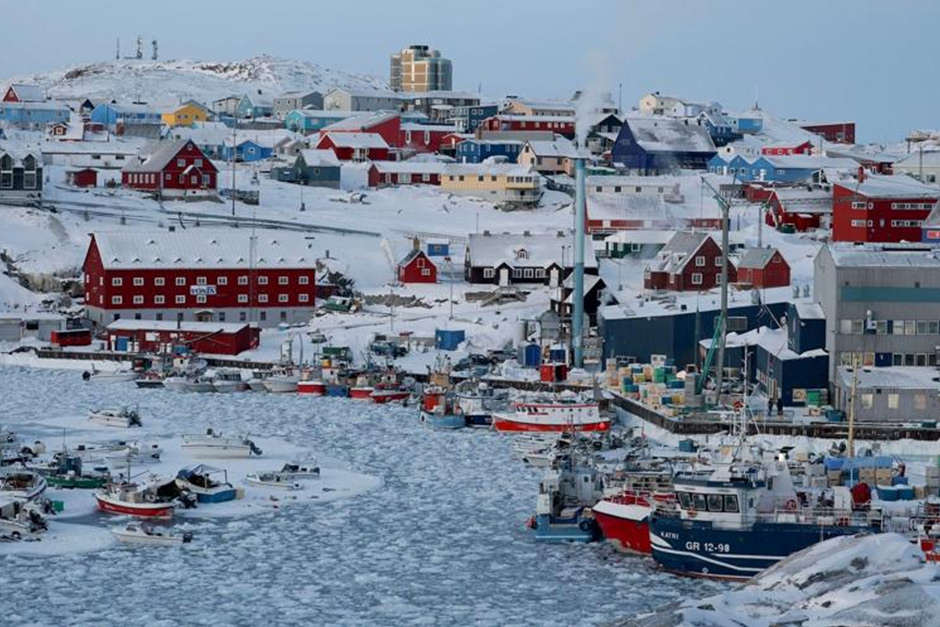
The vast, ice-covered expanse of Greenland has, in recent times, found itself unexpectedly at the center of international attention. What began as a seemingly outlandish notion – the idea of a significant strategic move, perhaps even an acquisition, for the massive autonomous Danish territory – has now sparked genuine concern, not just from international observers, but notably from within the very corridors of power in Washington D.C. The whispers of a military-backed initiative for Greenland are reportedly causing significant unease among some of President Trump’s own closest advisors. But with such an audacious idea on the table, is there still room for a strategic retreat?
Greenland: A Geopolitical Anomaly or a Strategic Prize?
At first glance, the notion of acquiring or making a significant military play for Greenland might seem like something out of a geopolitical thriller. Yet, delve deeper, and you uncover the layers of potential strategic interest. Greenland sits at a critical juncture for Arctic shipping routes, an area growing ever more accessible due to climate change. It holds vast, untapped reserves of rare earth minerals and other natural resources crucial for modern technology. For some, the thought of securing such a formidable chunk of real estate and its accompanying strategic advantages might be intoxicatingly appealing.
However, the sheer impracticality and monumental cost of such an endeavor are what likely give many pause. Greenland is not an empty land; it’s home to a vibrant, self-governing people with deep cultural ties and a clear national identity. Any move perceived as an overt act of acquisition or a heavy-handed military presence would ignite an international firestorm, challenging established norms of sovereignty and self-determination. It’s a vision that, while bold, could quickly unravel into a diplomatic nightmare, painting the initiating nation as a unilateral aggressor on the world stage.
Inside the Oval Office: The Tug-of-War of Counsel
Even in an administration known for its unconventional approaches, the concept of a military-driven move for Greenland reportedly hit a nerve with many senior advisors. These are individuals tasked with presenting the President with realistic options, weighing the costs against the benefits, and understanding the intricate dance of international relations. For them, the idea isn’t just about strategic gain; it’s about the potential for catastrophic diplomatic fallout, the immense financial burden, and the very real possibility of alienating key allies.
The core of their apprehension likely stems from a pragmatic assessment: what exactly would a “military move” entail? A purchase attempt was already rejected by Denmark, causing a diplomatic spat. A coercive military presence, even if framed as an expansion of existing defense agreements, could be seen as an existential threat by the local population and draw swift condemnation from allies like Canada, Norway, and the Nordic countries. “The optics alone are a diplomatic minefield,” commented one seasoned foreign policy observer. “This isn’t just about land; it’s about international norms, the perception of a major global power, and the trust vital for alliances. Pushing this would severely damage U.S. standing and create unnecessary adversaries.” These are the concerns that advisors must articulate, often walking a fine line between loyalty and genuine counsel.
The Path to Retreat: Can Cooler Heads Prevail?
The beauty – and often the frustration – of high-stakes foreign policy is that ideas, no matter how firmly expressed, can evolve or be reined in. The initial shockwave of a bold proposal often gives way to a period of intense deliberation, where the cold, hard facts presented by advisors can begin to temper even the most ambitious visions. The path to pulling back from such an aggressive stance on Greenland doesn’t necessarily mean a public concession of error, but rather a strategic reframing or a quiet shelving of the most controversial elements.
It might involve emphasizing renewed diplomatic engagement with Denmark and Greenland, focusing on existing defense cooperation, or exploring economic partnerships that respect sovereignty. The internal pushback from advisors, coupled with international reactions and the sheer logistical hurdles, can act as powerful brakes. The question now isn’t just if the idea will be abandoned, but how gracefully it can be allowed to fade, preserving diplomatic relations and ensuring that the United States isn’t seen as operating outside the bounds of international decorum.
The fate of Greenland in this geopolitical chess game remains uncertain, but the internal debate in Washington highlights the constant tension between bold ambition and pragmatic reality. Only time will tell if the voices of caution within the White House can guide policy towards a more conventional and internationally palatable approach.

