


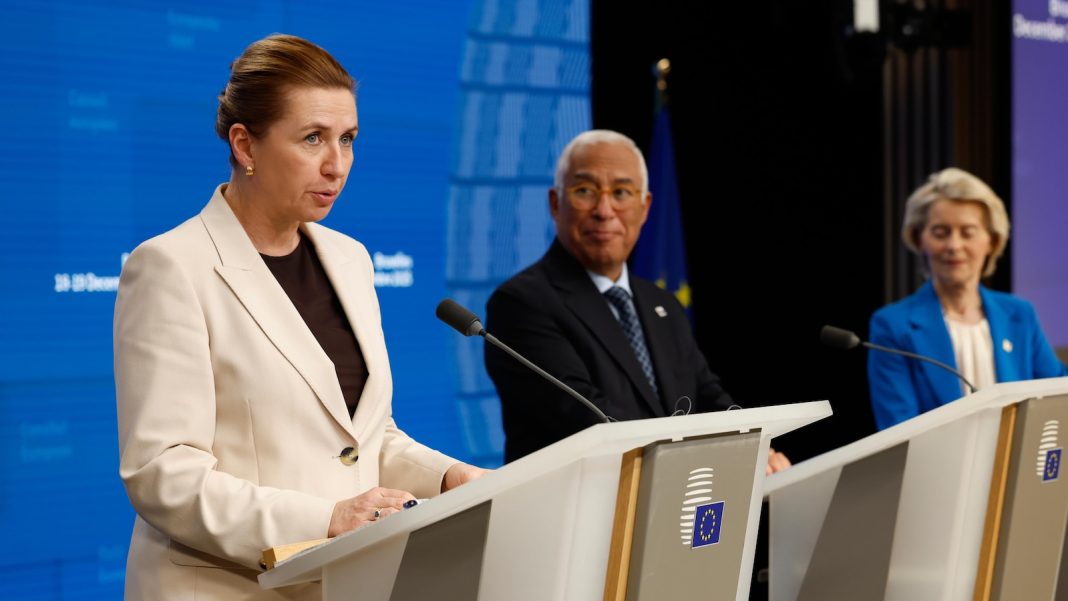
The headlines are buzzing, and for good reason: EU leaders have just signed off on a massive €90 billion loan for Ukraine. This isn’t just another financial package; it’s a profound statement of unwavering commitment, especially considering the twist in the tale. Remember the ambitious idea of using frozen Russian assets to fund Ukraine’s recovery? Well, that plan hit a significant snag, prompting the EU to pivot and forge a new path forward.
The Tricky Tango of Frozen Assets
For months, the concept of leveraging frozen Russian state assets – estimated to be hundreds of billions – was a seductive one. It felt like poetic justice: make the aggressor pay for the damage. Proponents argued it would ease the burden on EU taxpayers and send an unequivocal message to Moscow. However, as often happens in international law and finance, the devil was in the details, and those details were thorny.
The primary hurdle was legal. Seizing sovereign assets belonging to another state, even an aggressor, sets a potentially dangerous precedent under international law. There were concerns about potential retaliatory actions, the sanctity of international investments, and the risk of undermining the global financial system. Experts debated endlessly whether such a move could be legally sound, or if it would open a Pandora’s Box of future legal challenges. Many within the EU, while sympathetic to the cause, feared the long-term repercussions for Europe’s own financial stability and its standing as a safe haven for international capital. Ultimately, the complexities proved too great, and the consensus shifted: a more pragmatic, if less symbolically satisfying, solution was needed.
A €90 Billion Lifeline: EU’s Unwavering Commitment
With the Russian asset plan on hold, EU leaders regrouped and delivered. The approved €90 billion loan represents a monumental effort to provide Ukraine with the crucial financial stability it needs to continue functioning, rebuild essential infrastructure, and sustain its economy amid ongoing conflict. This isn’t charity; it’s an investment in Ukraine’s future and, by extension, in Europe’s own security and stability.
The funding will be raised by the EU on capital markets, backed by guarantees from member states, demonstrating a collective European responsibility. This approach, while placing a direct financial commitment on the EU, sidesteps the immediate legal quagmire of asset confiscation. It’s a testament to the bloc’s determination to find workable solutions, even when the initial, more ideal options prove unfeasible. For Ukraine, this loan is more than just money; it’s a lifeline. It means salaries can be paid, hospitals can run, and vital services can continue, providing a much-needed foundation for resilience.
“This loan isn’t just about the money; it’s a powerful declaration of sustained solidarity, a testament that the EU won’t waver in its support for Ukraine’s future, even when the path is complex,” remarked Dr. Elena Petrova, a Brussels-based political economy analyst. Her words underscore the deeper meaning behind the financial commitment.
What This Means Going Forward
The approval of this €90 billion package sends a clear message to Ukraine, Russia, and the world: the EU remains steadfast in its support for Kyiv. It illustrates a pragmatic approach to a complex geopolitical crisis, prioritizing immediate, tangible aid over legally ambiguous symbolic gestures. While the debate around Russian assets may continue in various forms, this loan ensures that Ukraine receives substantial, timely assistance.
For Ukraine, the challenges ahead remain immense, but this substantial financial backing from its European partners provides a critical pillar of support. It allows for planning, recovery, and resilience in the face of ongoing adversity, strengthening its position and its ability to look towards a future of rebuilding and eventual integration with Europe. This isn’t the final chapter, but it’s a vital one in the unfolding story of European solidarity and Ukraine’s struggle for sovereignty.

