


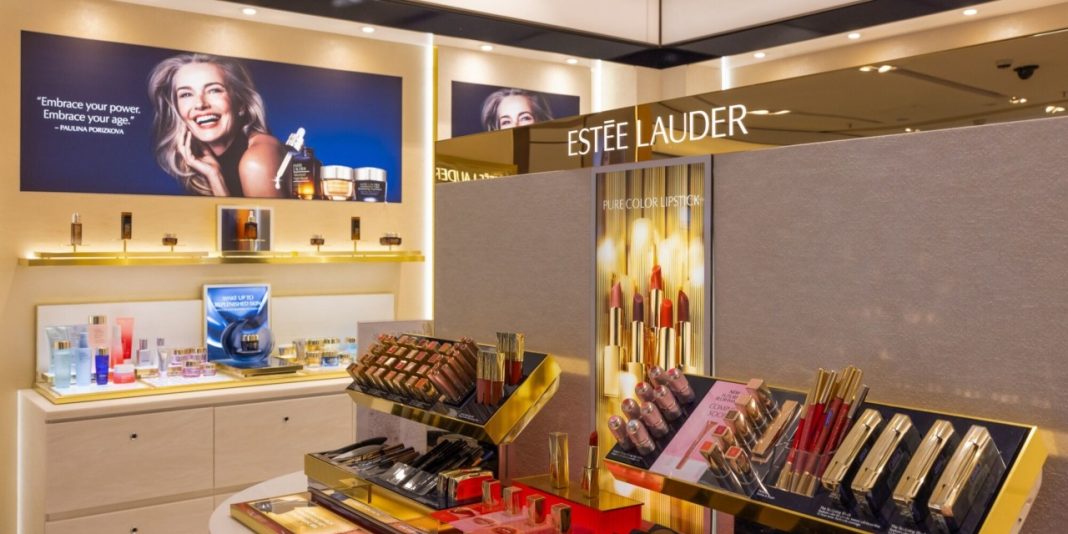
The beauty industry, ever vibrant and dynamic, is buzzing with a potential seismic shift that could redefine its global landscape. Whispers are growing louder that Estée Lauder, a titan synonymous with luxury skincare and makeup, is setting its sights on acquiring Spain’s Puig, a formidable family-owned fashion and fragrance conglomerate. If these talks materialize into a deal, we’re not just looking at a big acquisition; we’re witnessing the ambition to forge an unparalleled global beauty powerhouse.
The Architects of a Beauty Empire
Estée Lauder Companies already boasts an enviable portfolio, a veritable who’s who of premium beauty. From its eponymous brand to Clinique, MAC, Jo Malone London, La Mer, and Tom Ford Beauty, EL has mastered the art of appealing to diverse consumer segments with high-quality offerings. Their strength lies predominantly in skincare and makeup, categories where they hold significant market share and innovation leadership.
Enter Puig, a company that, while perhaps less universally known by its corporate name, owns some of the most iconic and beloved brands in fragrance and fashion. Think the alluring scents of Carolina Herrera, Paco Rabanne, and Jean Paul Gaultier, all under its fragrant umbrella. Beyond these powerhouses, Puig also nurtures niche luxury brands like Byredo and Penhaligon’s, alongside fashion houses such as Dries Van Noten. Puig’s expertise lies in its distinct European flair, its strong presence in high-growth fragrance markets, and its ability to blend heritage with contemporary appeal.
Why This Union Could Be Transformative
The strategic logic behind such a colossal merger is compelling. For Estée Lauder, a Puig acquisition would instantly supercharge its fragrance division, a category where Puig is a genuine leader. While EL has strong fragrance players like Jo Malone and Tom Ford, integrating Puig’s extensive and diverse scent portfolio would create an undisputed leader in the prestige fragrance market. It would also diversify EL’s geographical footprint and cultural brand appeal, especially strengthening its European and Latin American presence.
Conversely, Puig would gain access to Estée Lauder’s immense global distribution network, cutting-edge R&D capabilities, and unparalleled marketing might. For a family-owned business like Puig, navigating the complexities of a rapidly evolving global market, aligning with a publicly traded behemoth like Estée Lauder could unlock exponential growth and secure its legacy for generations. It’s a move that signifies not just expansion, but a strategic consolidation of strengths to tackle the competitive beauty arena head-on.
One beauty market watcher, commenting on the speculation, observed, “This isn’t just a big acquisition; it’s a strategic realignment of the entire luxury beauty landscape. It tells us that even the giants are constantly looking for new avenues of growth and market share, especially in the booming fragrance sector. The combined entity would be a force unlike any we’ve seen.“
The Future of Beauty: A Consolidated Power Play?
This potential deal is more than just financial news; it’s a barometer for the direction of the global beauty industry. We are witnessing an era of intense competition and consolidation, where companies are striving to offer a complete spectrum of beauty – from skincare and makeup to fragrance and even haircare. By bringing together Estée Lauder’s scientific prowess and market reach with Puig’s creative flair and fragrance dominance, the merged entity would be exceptionally well-positioned to innovate across categories, capture new consumers, and dictate future trends.
The implications for competitors like LVMH and L’Oréal are also significant, potentially prompting them to reassess their own portfolios and accelerate their strategic moves. For consumers, a consolidated powerhouse could mean more streamlined access to a broader range of beloved brands, alongside the promise of accelerated innovation driven by combined resources.
As the beauty world holds its breath, the prospect of Estée Lauder and Puig uniting hints at a future where scale, diversified offerings, and global reach are paramount. This isn’t merely about adding brands; it’s about crafting an integrated beauty ecosystem designed to dominate the luxury market for decades to come.

