


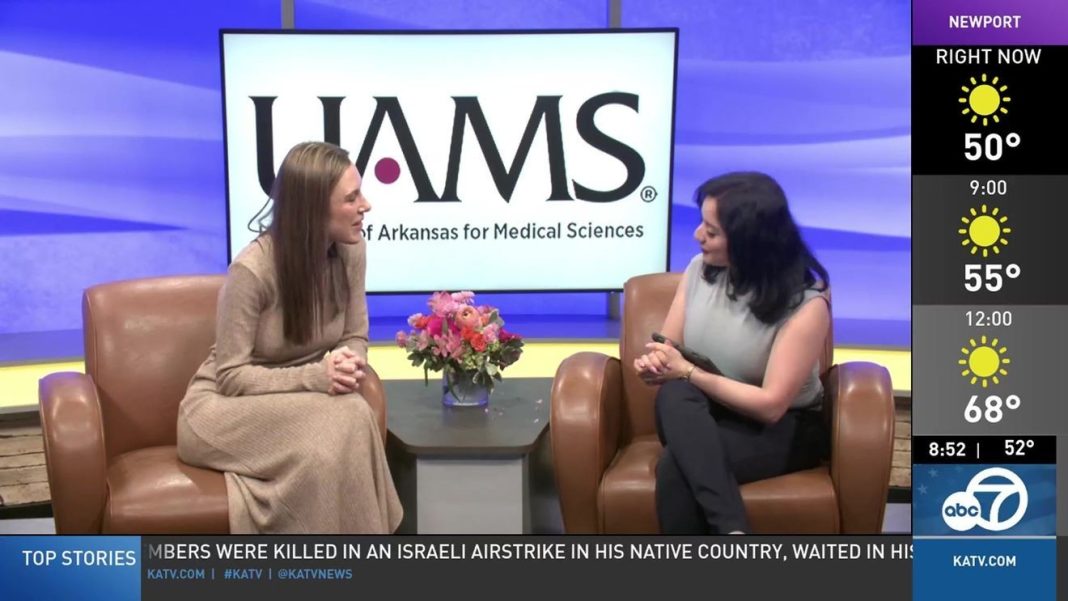
Every year, a particular month shines a spotlight on conditions that often lurk in the shadows, affecting millions without much public understanding. For Endometriosis Awareness Month, we turn our attention to one such challenge: an invisible struggle that profoundly impacts the lives of countless women. Endometriosis is far more than just “bad periods”; it’s a chronic, often debilitating condition that demands our attention, our empathy, and our collective effort to understand.
Imagine living with pain that not only interferes with your daily activities but dictates them, pain that is often dismissed or misdiagnosed for years. This is the reality for an estimated 1 in 10 women globally who suffer from endometriosis. It’s a silent battle fought behind closed doors, often with a brave face, but always with significant personal cost.
What is Endometriosis? Unpacking the Invisible
At its core, endometriosis is a condition where tissue similar to the lining of the uterus (the endometrium) grows outside the uterus. This endometrial-like tissue can be found on ovaries, fallopian tubes, and the outer surface of the uterus, but also, less commonly, on the bowels, bladder, or even further afield. Here’s the critical part: this displaced tissue acts just like the uterine lining. It thickens, breaks down, and bleeds with each menstrual cycle. However, unlike menstrual blood from the uterus, this blood has no exit pathway. This leads to inflammation, scar tissue formation, adhesions (where tissues or organs stick together), and excruciating pain.
The symptoms are varied and can be severe: chronic pelvic pain, heavy and painful periods (dysmenorrhea), pain during or after sex (dyspareunia), painful bowel movements or urination, fatigue, and infertility. The diagnostic journey is notoriously long, often taking an average of 7-10 years, during which time the condition can worsen, and the pain intensifies, impacting every facet of a woman’s life.
The Profound Impact of a Misunderstood Condition
The impact of endometriosis extends far beyond physical discomfort. Living with chronic, often incapacitating pain can take a tremendous toll on mental health. Anxiety, depression, and feelings of isolation are common companions for those navigating this condition. Imagine having to cancel plans repeatedly due to unpredictable flare-ups, struggling to maintain employment because of debilitating fatigue, or finding intimate relationships challenging due to pain. These aren’t minor inconveniences; they are life-altering hurdles.
The invisibility of endometriosis is perhaps its most cruel aspect. Sufferers often look perfectly fine on the outside, leading others to underestimate the severity of their internal battle. As one patient, Maria, eloquently shared, “It’s not just a bad period; it’s a chronic condition that impacts every single aspect of your life, yet it’s often dismissed. We need people to understand that this pain is real, and it’s devastating.” This sentiment echoes the experience of millions who desperately seek validation for their pain.
Shifting Towards Empathy and Action
Endometriosis Awareness Month serves as a crucial reminder that we must move beyond outdated ideas about “women’s pain” and embrace a more empathetic, informed approach. This means listening to women when they describe their symptoms, supporting ongoing research for better diagnostic tools and treatments, and fostering environments where open conversations about reproductive health are normalized. We need more than just awareness; we need understanding, compassion, and a commitment to action.
Whether you have endometriosis, know someone who does, or are simply here to learn, your engagement matters. Share information, challenge misconceptions, and advocate for better healthcare. By doing so, we contribute to a future where invisible pain is no longer ignored, and every woman living with endometriosis can find the support and effective treatment she deserves.
—

