


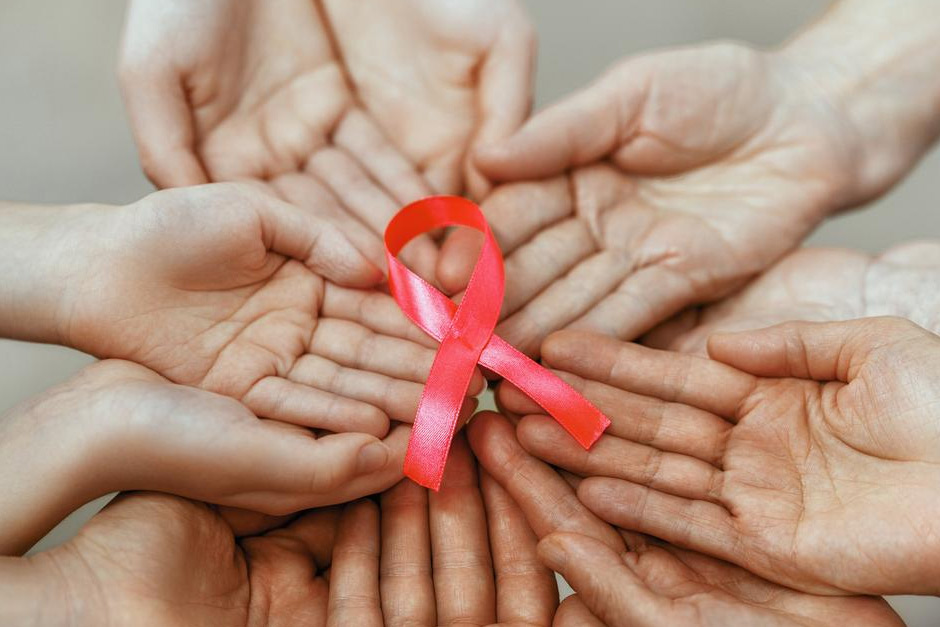
The year 2030 stands as a critical benchmark in global health, marking the target for ending the HIV/AIDS epidemic. For a nation like India, with its immense population and complex public health landscape, this goal is not merely an aspiration but a significant public health opportunity. India has made commendable strides in its fight against HIV over the past decades, transforming from a country facing a potential catastrophe into one that has significantly curbed its epidemic. Now, the challenge is to achieve the final mile, leveraging past successes and innovative strategies to create an HIV-free generation.
India’s HIV Journey: Progress and Persistent Challenges
India’s response to HIV/AIDS has been a remarkable testament to sustained public health efforts. Spearheaded by the National AIDS Control Organisation (NACO), the country has witnessed a substantial decline in new HIV infections and AIDS-related deaths. Access to Antiretroviral Therapy (ART) has expanded dramatically, transforming HIV from a death sentence into a manageable chronic condition. Prevention programmes, including targeted interventions for key populations, condom promotion, and awareness campaigns, have played a pivotal role in averting millions of infections.
Despite these achievements, significant challenges persist. Stigma and discrimination remain formidable barriers, preventing many from seeking testing and treatment. Reaching and retaining key populations – such as men who have sex with men (MSM), injecting drug users (IDUs), and female sex workers (FSW) – continues to be complex due to societal marginalization and legal ambiguities. Geographical disparities in awareness, access to services, and treatment adherence, particularly in remote and underserved areas, pose additional hurdles. Furthermore, late diagnosis remains a concern, with many individuals presenting for care only when the disease has progressed, underscoring the need for enhanced testing strategies.
Charting the Course to 2030: Strategies for the Final Mile
Achieving the 2030 target requires a multi-pronged, accelerated approach. One of the cornerstones of this strategy is the “Test and Treat” policy, which recommends immediate ART initiation for all diagnosed with HIV, regardless of their CD4 count. This not only improves individual health outcomes but also acts as a powerful prevention tool by reducing viral load, thereby minimizing transmission risk.
Prevention must also be reimagined and intensified. Pre-Exposure Prophylaxis (PrEP), where HIV-negative individuals at high risk take medication to prevent infection, holds immense potential but requires wider integration into national programmes and accessible distribution. Comprehensive sexuality education and sustained awareness campaigns are crucial for fostering safer practices and reducing risky behaviours across demographics. Leveraging digital health platforms and telemedicine can extend the reach of testing, counselling, and treatment services to even the most remote corners of the country, overcoming geographical barriers.
Community engagement is paramount. Empowering community-based organisations and peer educators can break down stigma, build trust, and ensure better adherence to treatment. Their grassroots understanding of local contexts and populations is invaluable in designing and implementing effective interventions. Strong political will, coupled with adequate funding and robust monitoring mechanisms, will be essential to sustain the momentum.
As a leading public health expert recently noted, “India’s success against HIV/AIDS hinges not just on medical advancements, but crucially on addressing the social determinants of health and ensuring equity. We must leave no one behind if we are to truly end this epidemic by 2030.” This underscores the imperative for a human-rights-based approach, focusing on dignity, non-discrimination, and universal access to services for all.
Conclusion: India’s Moment to Lead
Ending the HIV/AIDS epidemic by 2030 presents India with a monumental public health opportunity. Beyond the immediate health benefits, achieving this goal will yield significant socio-economic dividends, including increased productivity, reduced healthcare burden, and enhanced social equity. It would solidify India’s position as a global leader in public health, demonstrating how a large, diverse nation can tackle complex health challenges with determination and innovation.
The path ahead requires sustained investment, strategic partnerships between government, civil society, and international organisations, and a continued commitment to human rights. India has the experience, the infrastructure, and the resolve to make this vision a reality. By accelerating efforts, embracing innovation, and championing inclusivity, India can not only end the HIV/AIDS epidemic within its borders but also set an inspiring example for the world.

