


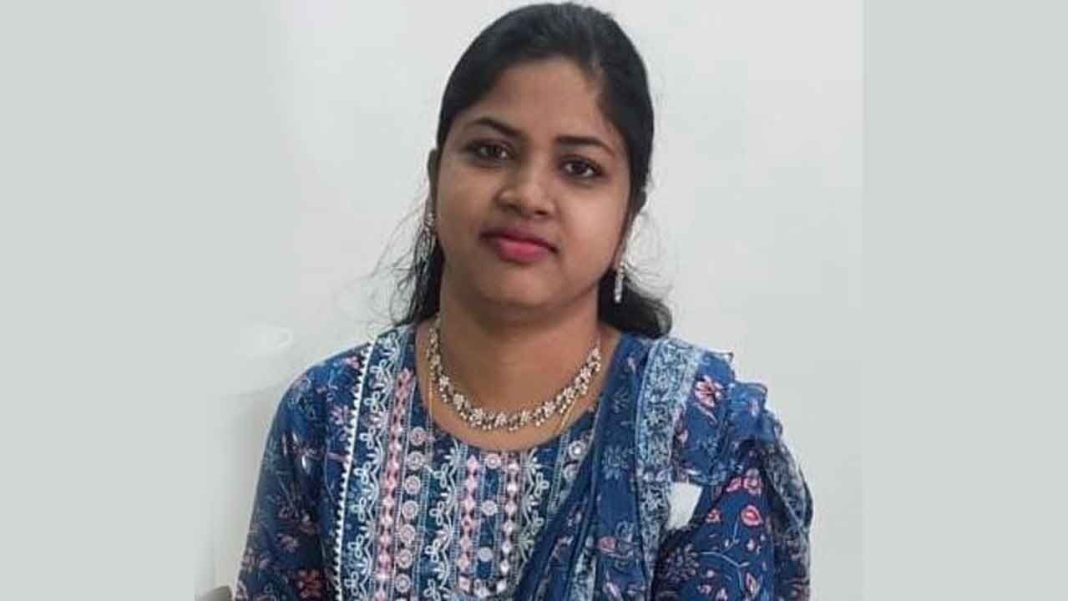
In a significant push for women’s health nationwide, Dr. Srujana, the Medical Officer (MO) of the Post-Partum (PP) Unit, has issued a fervent appeal to all eligible young girls to avail themselves of the free Human Papillomavirus (HPV) vaccine. This crucial public health initiative aims to bolster protection against cervical cancer, a leading cause of cancer-related deaths among women in India. Dr. Srujana’s exhortation underscores the government’s steadfast commitment to preventive healthcare, urging families and communities to prioritise this vital immunization opportunity, which is readily available at designated health centres across the region.
Understanding the Threat: HPV and Cervical Cancer
Cervical cancer, a malignancy affecting the cervix (the lower part of the uterus), is primarily caused by persistent infection with high-risk types of the Human Papillomavirus (HPV). HPV is a common virus transmitted through skin-to-skin contact, most often during sexual activity. While many HPV infections clear up on their own, certain types can lead to cellular changes over time, potentially progressing to cancer if left undetected and untreated. Globally, cervical cancer ranks as the fourth most common cancer among women, and its impact on Indian women is particularly stark. Data suggests that India accounts for a significant proportion of the global cervical cancer burden, with thousands of new cases and deaths reported annually.
The silent progression of the disease, often without early symptoms, makes robust preventive strategies like vaccination incredibly vital. In many cases, by the time symptoms become noticeable, the disease may have advanced significantly, making treatment more challenging. Fortunately, unlike many other cancers, cervical cancer is largely preventable, and the HPV vaccine stands as a powerful shield against its development. This vaccine targets the specific strains of HPV that are responsible for the vast majority of cervical cancer cases, offering a high degree of protection.
The Proactive Push: Free Vaccination for a Healthier Future
Recognising the formidable challenge posed by cervical cancer, the Indian government has embarked on a proactive vaccination drive, making the HPV vaccine accessible and free for eligible girls. This nationwide campaign targets specific age groups, typically adolescent girls before their potential exposure to the virus, ensuring maximum efficacy. The vaccine works by stimulating the body’s immune system to produce antibodies against the most common high-risk HPV types, thereby preventing infection and subsequent pre-cancerous lesions. This preventive approach is far more effective and less invasive than treating the disease once it manifests.
Dr. Srujana elaborated on the critical window for vaccination, stating, “The HPV vaccine is most effective when administered to girls before they become sexually active, ideally between 9 and 14 years of age. This provides optimal protection and significantly reduces their lifetime risk of developing cervical cancer. It’s a simple, safe, and immensely powerful step towards safeguarding their future health. We urge parents, guardians, and the girls themselves to come forward and take advantage of this free and life-saving intervention.” The vaccine is administered in a series of doses, and healthcare workers at primary health centres (PHCs), community health centres (CHCs), and specialised units like the PP Unit are well-equipped to provide the vaccination and necessary guidance. This initiative is not merely about providing a shot; it’s about empowering a generation of women with protection against a preventable disease, fostering a healthier future for communities nationwide.
Overcoming Barriers: Awareness and Accessibility
Despite the clear benefits, vaccination drives often encounter hurdles, including misinformation and lack of awareness. There have been instances of unfounded fears regarding vaccine safety or efficacy, which can deter parents from vaccinating their daughters. Health officials, including those at the PP Unit, are actively engaged in community outreach programs to dispel these myths and provide accurate, evidence-based information. Campaigns leverage local networks, ASHA (Accredited Social Health Activist) workers, and educational institutions to reach every corner, explaining the vaccine’s scientific backing and its excellent safety record. Emphasising that the vaccine has undergone rigorous testing and is approved by global health bodies is crucial to building public trust.
Furthermore, ensuring equitable access, especially in remote or underserved areas, remains a key focus. To address this, various states and districts are implementing strategies such as mobile health camps, flexible vaccination schedules, and collaboration with local community leaders to reach the widest possible demographic. The aim is to remove geographical and socio-economic barriers, ensuring that no eligible girl is left without this crucial protection due to lack of access or information.
The call from Dr. Srujana is a poignant reminder of the collective responsibility we share in nurturing a healthier India. By embracing the free HPV vaccination program, families are not just protecting individual girls; they are contributing to a nationwide effort to eradicate cervical cancer as a public health threat. This preventive measure, coupled with regular screening for older women, forms the cornerstone of a comprehensive strategy for women’s reproductive health. Let us heed this urgent appeal and ensure that every eligible girl receives this life-changing vaccine, paving the way for a future free from the burden of cervical cancer.

