


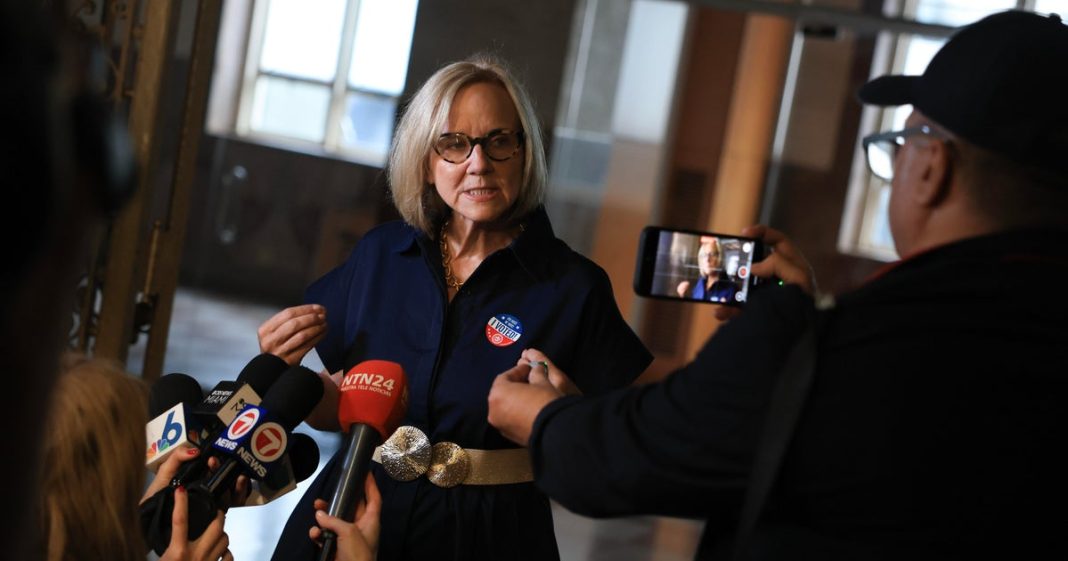
A new era has dawned in Miami, as Eileen Higgins steps into the mayor’s office, marking a truly historic moment. Her victory isn’t just another electoral win; it represents the first time a Democrat has held the city’s top position in three decades. This significant shift signals a fascinating evolution in one of America’s most dynamic and diverse cities, prompting many to consider what this change means for Miami’s future and its broader political landscape.
The Shifting Tides: A Political Earthquake in the Tropics
For 30 years, Miami’s mayoral seat remained firmly outside the grasp of the Democratic Party, a testament to the city’s unique political leanings, often characterized by a blend of conservative fiscal policies and a strong influence from various diasporas. Higgins’ success breaks this long-standing streak, suggesting a notable recalibration of voter priorities and demographics within the Magic City. It’s a clear indicator that the electorate is increasingly open to, or perhaps actively seeking, a different approach to governance.
This isn’t merely a local anomaly; it could reflect broader trends seen in other major urban centers across the nation. As cities grapple with issues like climate change, economic inequality, and housing crises, voters might be looking for leadership that aligns with specific policy frameworks traditionally associated with the Democratic platform. Higgins’ victory, therefore, is more than just a partisan win; it’s a barometer for a changing political climate that warrants close observation.
Navigating the Challenges: From Policy to Progress
Taking the helm of a city like Miami comes with its own set of complex challenges, regardless of political affiliation. However, Higgins’ Democratic platform provides a distinct lens through which to tackle these pressing issues. Affordable housing, for instance, remains a critical concern for many Miamians, as the city continues to experience rapid growth and rising living costs. Her administration will likely prioritize initiatives aimed at expanding access to attainable housing options and addressing gentrification.
Environmental resilience is another paramount issue. As a coastal city vulnerable to sea-level rise and extreme weather, Miami faces urgent demands for innovative solutions to climate change. A Democratic mayor may push for more aggressive environmental policies, investments in green infrastructure, and collaborative efforts with regional and federal partners. Furthermore, improving public transportation, fostering inclusive economic development, and enhancing community services will undoubtedly be central to her agenda.
“This isn’t just about party affiliation; it’s about what issues resonate with people right now,” notes Maria Rodriguez, a local community organizer. “Voters want solutions to their everyday problems, and if a candidate, regardless of their background, brings those solutions, they will be heard.” Higgins’ ability to build consensus and deliver tangible results will be key to her long-term success and to solidifying the trust of a diverse citizenry.
Eileen Higgins’ election as Miami’s mayor is a genuinely watershed moment, ending a three-decade Republican hold on the office. It signals a potential shift in the political identity of a major American city and sets the stage for a new era of governance. As Miami continues to evolve, all eyes will be on her administration to see how it navigates the city’s complex challenges and capitalizes on its vibrant opportunities, potentially setting a precedent for other urban centers grappling with similar dynamics.

