


India stands at a critical juncture, grappling with a silent epidemic that threatens to undermine decades of progress in public health. While communicable diseases have seen significant decline, the nation is witnessing an alarming surge in non-communicable diseases (NCDs), with obesity and its myriad comorbidities leading the charge. In a bold move reflecting this growing concern, the Economic Survey 2026 has urged the government to consider imposing a higher Goods and Services Tax (GST) on ultra-processed foods (UPFs), aiming to disincentivize their consumption and foster healthier dietary habits among the populace.
The Escalating Health Crisis and Dietary Shifts
The latest health data paints a stark picture: India is rapidly becoming the diabetes capital of the world, and cardiovascular diseases are affecting younger demographics than ever before. A significant contributor to this deteriorating health landscape is the changing dietary patterns, especially in urban and semi-urban areas. The convenience economy has led to a pervasive reliance on ultra-processed foods – items often characterized by high levels of sugar, unhealthy fats, and sodium, coupled with artificial additives, flavourings, and colours.
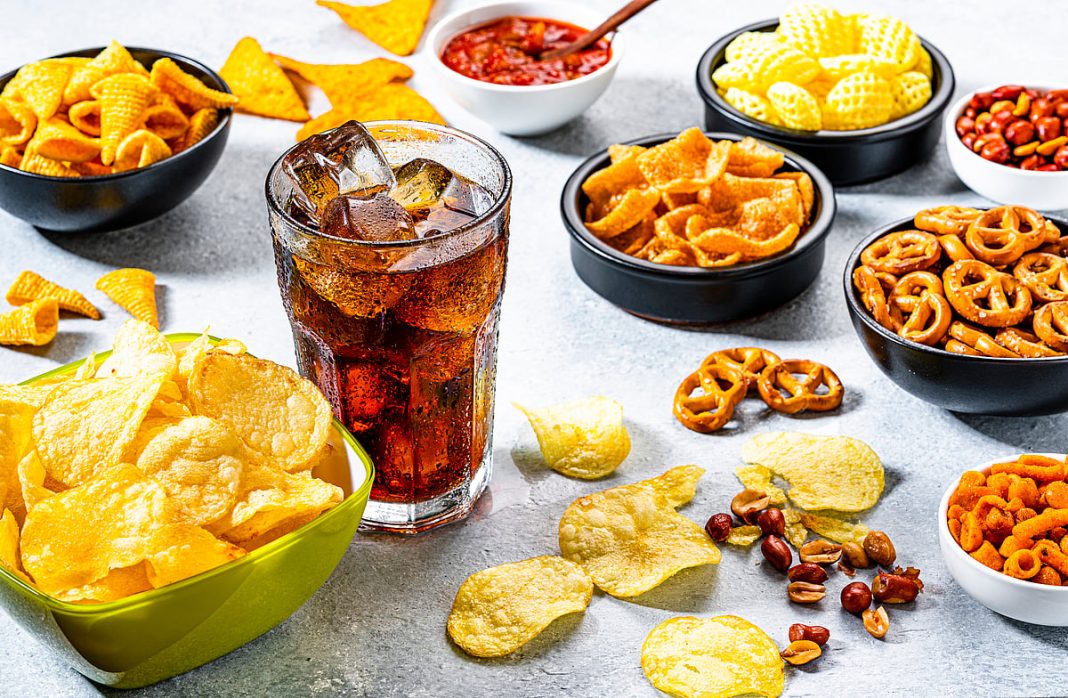
From readily available packaged snacks and sugary beverages to instant noodles and mass-produced bakery items, these foods have infiltrated daily diets, particularly among children and young adults. Their aggressive marketing, long shelf life, and often lower perceived cost (despite higher actual cost per nutrient) make them an attractive, albeit detrimental, option for busy households. The Economic Survey meticulously highlights how this dietary shift is placing an immense burden on the public health system, draining resources that could otherwise be allocated to other developmental priorities. The long-term costs associated with treating obesity-related ailments like type 2 diabetes, hypertension, and certain cancers are projected to be staggering, making preventative measures a national imperative.
Economic Survey’s Proposal: GST as a Nudge
Drawing parallels with “sin taxes” levied on products like tobacco and alcohol, the Economic Survey 2026 advocates for a similar approach for ultra-processed foods. The rationale is multi-faceted: primarily, it aims to internalize the external costs associated with the consumption of these products. By increasing their price through a higher GST, the government intends to make UPFs less affordable and, consequently, less appealing to consumers. This economic disincentive, the Survey posits, could nudge consumers towards healthier, fresh food alternatives.
Currently, many ultra-processed foods fall under various GST slabs, often at 12% or 18%, depending on their classification. The proposal suggests moving specific categories of UPFs to a higher slab, potentially the 28% bracket, or even introducing a new, dedicated ‘health cess’ on them. Beyond the public health benefits, this measure also presents an opportunity for revenue generation. The additional funds collected could be ring-fenced and directed towards public health initiatives, such as nutrition education campaigns, subsidizing healthy food options, or strengthening healthcare infrastructure to better manage NCDs. The Survey underscores that this isn’t merely a revenue-generation exercise but a strategic public health intervention designed to reshape national dietary habits over the long term.
Navigating Implementation and Public Reception
While the intent behind the Economic Survey’s recommendation is clear, its implementation will undoubtedly present significant challenges and spark considerable public discourse. One of the primary hurdles will be defining “ultra-processed food” precisely for taxation purposes. Drawing clear lines that distinguish between minimally processed essentials and highly engineered convenience foods will require robust scientific consensus and careful legislative drafting to avoid unintended consequences on small businesses or traditional food industries.
Furthermore, the potential impact on different socio-economic strata must be meticulously analyzed. Critics argue that higher taxes on food, even unhealthy ones, could disproportionately affect low-income households who might rely on cheaper, processed options due to time or financial constraints. Conversely, proponents argue that UPFs are rarely the most economical choice when nutritional value is considered, and that the long-term health benefits far outweigh short-term price increases.
“While a higher GST on UPFs might seem like a straightforward solution, its success hinges on careful implementation and simultaneous investments in promoting affordable healthy alternatives across all socio-economic strata,” stated Dr. Priya Sharma, a prominent public health policy expert, underscoring the need for a comprehensive approach beyond mere taxation. Industry stakeholders are also likely to voice concerns regarding market disruption and potential impact on employment, necessitating a balanced and consultative approach from the government.
The Economic Survey 2026’s call for a higher GST on ultra-processed foods is a powerful statement about India’s commitment to tackling its burgeoning health crisis. It signifies a growing recognition that economic policy can and should be leveraged as a tool for public health. As the nation weighs the implications, the debate will undoubtedly revolve around striking a delicate balance between public health imperatives, economic practicality, and social equity, charting a healthier future for all Indians.

