


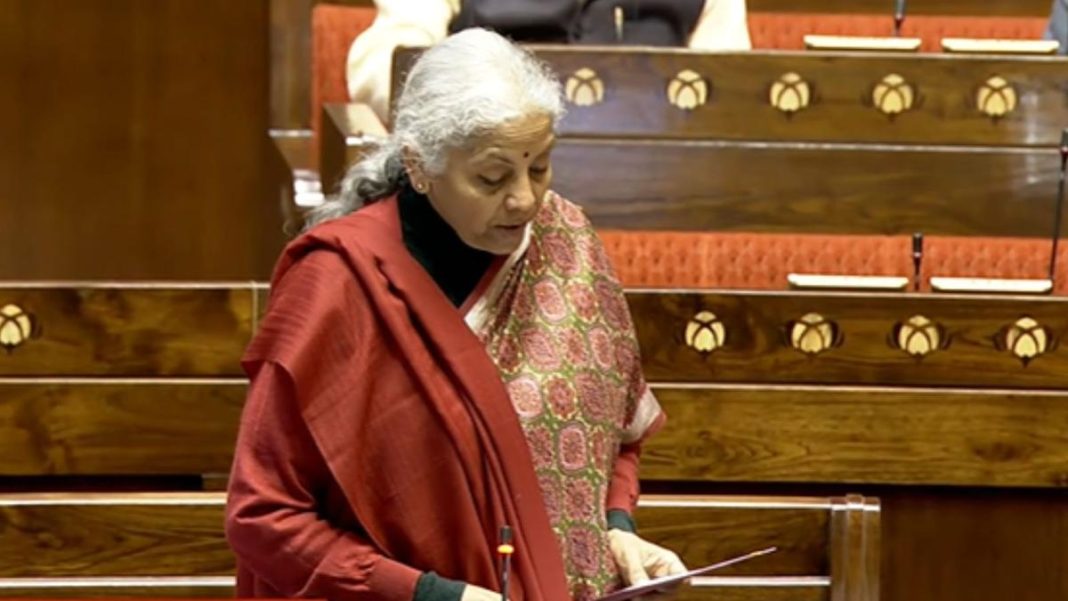
The much-anticipated Economic Survey 2026, presented to the Parliament just ahead of the Union Budget, has set a robust outlook for India’s medium-term economic trajectory. A key highlight from the comprehensive report is the upward revision of India’s potential growth rate to a promising 6.8-7.2% for Fiscal Year 2027. This assessment provides a crucial benchmark for policymakers and signals sustained confidence in the nation’s economic fundamentals amidst a dynamic global landscape. The Survey, a detailed analytical report on the state of the Indian economy, underscores the enduring resilience and strategic policy thrusts driving this optimistic projection.
Decoding India’s Economic Trajectory
The revised potential growth rate of 6.8-7.2% for FY27 is more than just a numerical projection; it represents the maximum sustainable growth rate an economy can achieve without triggering inflationary pressures. This range indicates that the Indian economy is expected to operate at a higher capacity, reflecting both robust demand and improved supply-side efficiencies. Compared to the estimated 6.5-6.8% for the current fiscal year (FY26), this upward revision for FY27 suggests a strengthening of underlying economic drivers and a clearer path towards accelerated expansion. The Survey attributes this positive shift to a combination of strategic government interventions, a rebound in private sector activity, and a relatively stable global economic environment projected for the medium term. This projection is critical for long-term planning, impacting everything from investment decisions to employment generation strategies.
Pillars of Resilience: Drivers of Growth
The Economic Survey 2026 meticulously outlines the foundational strengths propelling India towards this elevated growth trajectory. A significant driver remains the government’s sustained push for capital expenditure, particularly in infrastructure development. Investments in roads, railways, ports, and digital infrastructure are creating crucial multiplier effects, crowding in private investment, and enhancing overall productivity. The private sector, too, is showing signs of a broad-based revival, buoyed by Production Linked Incentive (PLI) schemes and ongoing reforms aimed at improving the ease of doing business. Furthermore, India’s strong domestic consumption base continues to be a crucial shock absorber, providing a steady demand impetus even in uncertain times.
The continued success of India’s digital public infrastructure (DPI), encompassing platforms like UPI, Aadhaar, and the Open Network for Digital Commerce (ONDC), is also cited as a transformative factor. These digital interventions are fostering financial inclusion, streamlining transactions, and creating new avenues for economic activity across various sectors. The Survey also points to a deepening of structural reforms in areas such as logistics, energy transition, and financial markets, which are collectively enhancing competitiveness and efficiency.
Highlighting the comprehensive nature of these efforts, Dr. Anil Sharma, Chief Economic Advisor, Ministry of Finance, remarked, “The revision in potential growth reflects a robust policy foundation coupled with India’s inherent resilience. Our focus remains on sustaining this momentum through prudent fiscal management and continued structural reforms, ensuring broad-based growth that benefits all sections of society.” This statement encapsulates the blend of macroeconomic stability and targeted interventions driving India’s economic resurgence.
Navigating the Road Ahead: Challenges and Opportunities
While the outlook is largely positive, the Economic Survey 2026 also prudently acknowledges the challenges and opportunities that lie ahead. Globally, geopolitical uncertainties, fluctuating commodity prices, and the risk of fragmented trade policies continue to pose potential headwinds. Domestically, managing inflation effectively, generating sufficient high-quality employment for a growing workforce, and ensuring fiscal consolidation remain paramount. The Survey emphasizes the need for continued vigilance and agile policy responses to mitigate these external shocks and internal pressures.
Simultaneously, significant opportunities are identified. India’s commitment to a green transition, fueled by renewable energy investments and sustainable practices, presents a pathway for long-term, resilient growth. The global realignment of supply chains also offers India a unique chance to boost its manufacturing and export capabilities. Leveraging its demographic dividend through investment in human capital, skill development, and education will be crucial to fully capitalize on these opportunities and ensure that growth is not just rapid but also inclusive and sustainable.
The Economic Survey 2026 thus paints a picture of an economy poised for accelerated growth, underpinned by strong fundamentals and forward-looking policies. The revised potential growth rate of 6.8-7.2% for FY27 is a testament to India’s dynamic economic landscape, signaling a period of sustained progress and positioning the nation as a significant player in the global economic arena.

