


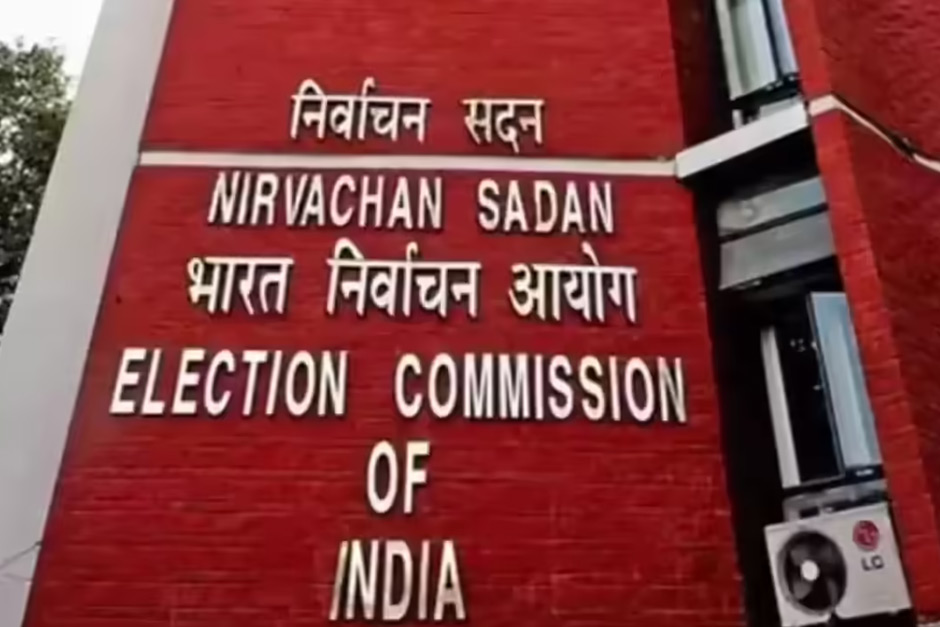
In a significant directive underscoring its commitment to maintaining a robust and accurate electoral process, the Election Commission of India (ECI) has instructed 17 States and 5 Union Territories (UTs) to commence preparations for the next phase of the Special Summary Revision (SSR) of electoral rolls, anticipated to begin in April. This proactive measure highlights the ECI’s continuous effort to ensure that voter lists are comprehensive, updated, and reflective of the eligible electorate across the nation, forming the bedrock of India’s democratic framework.
Understanding the Special Summary Revision (SSR)
The Special Summary Revision is a crucial exercise undertaken periodically by the ECI to update the electoral rolls. It involves a systematic process of inclusion, deletion, and correction. During this period, citizens who have attained the age of 18 years on the qualifying date become eligible to register as voters. Concurrently, the names of deceased voters are removed, and corrections are made to existing entries, ensuring the integrity and accuracy of the voter database. This process is vital for upholding the principle of ‘one person, one vote’ and guaranteeing free and fair elections.
The directive to 17 States and 5 UTs indicates a targeted approach, likely focusing on regions where a revision is due or specific electoral cycles might be approaching. The ECI typically sets January 1st of the revision year as the qualifying date, allowing individuals turning 18 on or before that date to register, empowering millions of young Indians to participate in the democratic process.
For these specific states and UTs, the preparation phase involves significant logistical and administrative tasks. Election officials at various levels, from the Chief Electoral Officers (CEOs) down to Booth Level Officers (BLOs), will be tasked with extensive planning. This includes mapping out revision schedules, identifying potential voter registration centres, and ensuring the availability of necessary forms and resources. The ultimate goal is to facilitate easy and accessible registration for all eligible citizens, especially first-time voters.
Implications and State Preparedness
The ECI’s early directive, signalling an ‘expected’ April start, allows ample time for states and UTs to gear up for what is always a significant administrative undertaking. Preparedness involves not just physical infrastructure but also human resources and the technological backbone. Training sessions for electoral staff on revised guidelines, software updates for data entry, and robust public awareness campaigns are integral components of this preparatory phase.
For the concerned states and UTs, this period of preparation is critical, involving extensive training and sensitisation for Booth Level Officers (BLOs) and other election functionaries on the nuances of the revision process. It also necessitates infrastructure readiness, ensuring that voter registration centres are equipped to accommodate applicants and staff. Crucially, robust public outreach campaigns will be launched through various media to inform citizens about the upcoming revision, emphasizing the importance of registering and the process to check or correct existing details.
The accuracy of electoral rolls is paramount for the credibility of elections. An outdated or erroneous electoral roll can lead to disenfranchisement or, conversely, create opportunities for malpractice. The ECI, therefore, places immense emphasis on these revisions. “A clean and accurate electoral roll is the first step towards a truly democratic election,” commented a senior ECI official, highlighting the fundamental importance of this exercise for the entire electoral ecosystem. This quote underscores the ECI’s steadfast dedication to ensuring the foundational element of any election is beyond reproach.
Furthermore, technology plays an increasingly significant role in modernizing the SSR process. The ECI’s various online portals and mobile applications empower citizens to apply for registration, check their names, or make corrections from the comfort of their homes, streamlining the process and improving accessibility. State election machinery will need to ensure that these digital platforms are robust and accessible during the revision period.
The Path Ahead for Voter Engagement
As the April timeline draws nearer, the focus will shift towards effective implementation and maximizing citizen participation. While the ECI and state election commissions provide the framework, the success of the SSR ultimately hinges on the active involvement of the electorate. Citizens are encouraged to proactively check their names on the electoral rolls, register if they are eligible and not yet enrolled, and report any discrepancies. This collaborative spirit ensures that India’s democratic process remains vibrant and inclusive.
The upcoming phase of Special Summary Revision is not merely an administrative formality; it is a reaffirmation of India’s commitment to democratic principles and the right to vote. The ECI’s directive sets the stage for a critical exercise that will refresh the voter base, bringing in new voices and ensuring the accuracy of the foundational document for future elections across these 17 States and 5 Union Territories. As preparations unfold, all eyes will be on the efficacy of these efforts in strengthening India’s electoral democracy.

