


The quest for a longer, healthier life often feels like chasing a mythical fountain of youth. While no single elixir exists, scientific understanding of biological aging – the rate at which our cells and systems decline – is revealing fascinating connections between what we eat and how we age. It’s not just about avoiding wrinkles; it’s about optimizing our health from the inside out. Recent research points to a particular class of compounds, abundantly found in various plant foods, as a significant ally in this endeavor.
Unpacking Biological Aging
Unlike chronological aging, which is simply the passage of time, biological aging refers to the accumulation of damage to our cells and tissues. This damage is influenced by genetics, lifestyle, and environmental factors. Key hallmarks include oxidative stress, where unstable molecules harm cells; chronic inflammation, a persistent low-grade immune response; mitochondrial dysfunction, impairing cellular energy production; and telomere shortening, which affects cellular division and repair. Addressing these underlying processes is crucial for promoting graceful aging and maintaining vitality as the years pass.
Polyphenols: Your Cellular Defenders
Enter polyphenols, a vast family of plant compounds renowned for their powerful antioxidant and anti-inflammatory properties. Found in colorful fruits, vegetables, whole grains, nuts, seeds, and even beverages like tea and coffee, these compounds don’t just add flavor and vibrancy to our plates; they actively engage in cellular defense.
Polyphenols work on multiple fronts. They scavenge harmful free radicals, reducing oxidative stress that accelerates cellular damage. They also help to regulate inflammatory pathways, calming the systemic inflammation that contributes to many age-related diseases. Beyond these well-known roles, certain polyphenols, such as resveratrol (found in grapes and berries) and quercetin (in apples and onions), have been shown to activate specific cellular pathways, like sirtuins, which are involved in DNA repair and longevity. They can also support mitochondrial health, ensuring our cells have the energy they need to function optimally. “It’s truly remarkable how these natural compounds can influence our cellular machinery,” observes nutrition researcher Dr. Anya Sharma. “They don’t just prevent damage; they seem to promote repair and resilience.”
Nourishing Your Way to Resilience
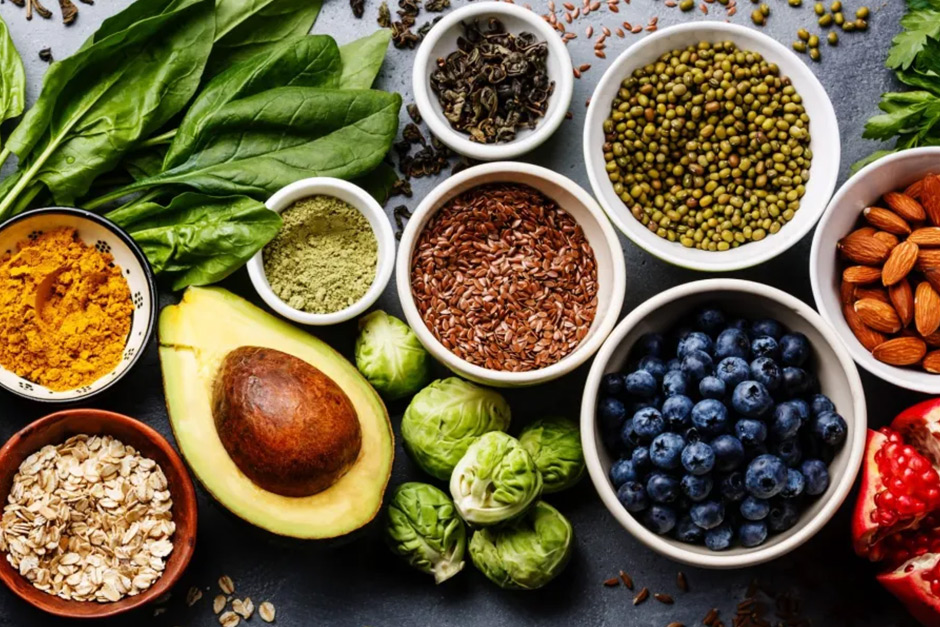
Integrating a rich spectrum of polyphenols into your daily diet is simpler than you might think. Think about ‘eating the rainbow’ – dark berries, leafy greens, vibrant peppers, and deep red grapes are excellent sources. Incorporate legumes, whole grains, nuts, and seeds. Enjoy green tea, coffee, and even a modest amount of dark chocolate. The key is variety, as different polyphenols offer distinct benefits and synergistic effects. Aim for diversity in your plant-based choices to ensure a broad intake of these beneficial compounds.
While the research is promising, it’s important to remember that polyphenols are part of a larger picture. No single nutrient is a magic bullet. A lifestyle that prioritizes a balanced diet rich in whole foods, regular physical activity, adequate sleep, and stress management forms the bedrock of healthy aging. Supplements can sometimes play a role, but the most effective and enjoyable way to harness the power of polyphenols is through diverse, nutrient-dense foods.
A Foundation for Future Vitality
The science of aging continues to unfold, but the message remains clear: our dietary choices hold significant power in shaping our health trajectory. Embracing foods rich in polyphenols isn’t just about slowing down time; it’s about enhancing vitality, protecting cellular integrity, and building a stronger foundation for a vibrant future. So, the next time you reach for a colorful fruit or a cup of green tea, know that you’re not just enjoying a tasty treat – you’re investing in your biological resilience.

