


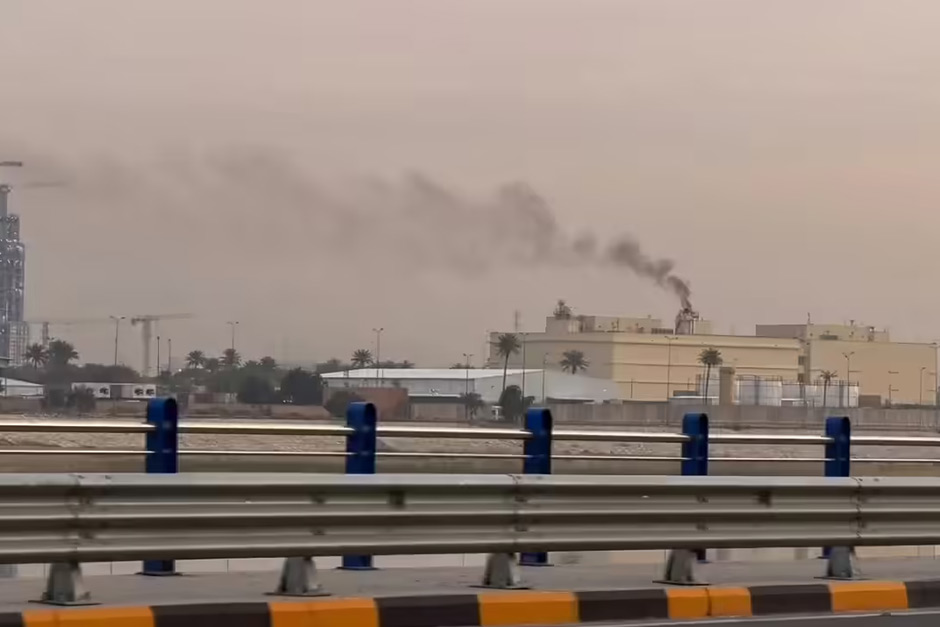
The Middle East, a region perpetually teetering on a tightrope, once again finds itself navigating a familiar, unsettling dichotomy. On one side, the ominous buzz of drones piercing the Baghdad night, striking at the heart of diplomatic presence. On the other, the sigh of relief as commercial flights once again crisscross the azure skies above the United Arab Emirates, following a period of unnerving closure.
It’s a stark reminder of the volatile currents that continue to shape lives across this vital stretch of the globe. A moment of intense local conflict juxtaposed with a cautious, hopeful return to normalcy for air travel – two sides of the same complex coin.
The Unsettling Hum Over Baghdad
The news from Iraq sends a familiar chill. Drone strikes targeting the US embassy in Baghdad are more than just an attack on a building; they are a direct assault on the fragile sense of stability that many Iraqis desperately crave. For those living in the vicinity, or indeed anywhere within earshot of the sudden, sharp crack of impact, it’s a terrifying reminder that peace remains a distant whisper.
These incidents aren’t just about geopolitics played out on a grand scale; they ripple down to the everyday lives of citizens. They exacerbate an already precarious security situation, sowing fear, disrupting business, and making long-term planning a fool’s errand. The constant threat creates an atmosphere of anxiety, where a clear sky can quickly turn ominous, and the simple act of going about one’s day becomes an act of quiet courage.
Every alert, every distant explosion, adds another layer to the psychological burden carried by communities that have known little but conflict for decades. It’s a battle not just for territory or influence, but for the very soul of a nation yearning for a break from the cycle of violence.
Cautious Resumption in the Gulf Skies
Just as Baghdad grapples with the fallout of renewed aggression, the UAE offers a different, albeit cautious, narrative. The decision to reopen its airspace, previously restricted due to escalating regional tensions and missile threats, is a potent symbol of resilience and the imperative for economic continuity.
For passengers, airlines, and the vast network of businesses reliant on air travel, this reopening brings a much-needed breath of fresh air. It’s a testament to the region’s determination to push forward, to keep its vital arteries of commerce and connection flowing, even in the face of significant threats. The UAE, a hub of global travel and trade, understands that stability, even if fragile, is paramount for its prosperity.
Yet, the underlying tension doesn’t vanish with the resumption of flights. As one analyst put it, “It’s a welcome breath, but the air still feels heavy with unspoken anxieties. We desperately want stability, but the region’s tremors are never far away.” This sentiment captures the delicate balance: a necessary move towards normalcy, while fully aware that the geopolitical chessboard remains fraught with danger.
Navigating the New Normal
These two events, seemingly disparate, are deeply intertwined. They highlight the interconnected nature of security across the Middle East, where an action in one corner can have immediate repercussions hundreds of miles away. They underscore the constant struggle between aggressive forces seeking to destabilize and those striving to maintain order and progress.
For the people of the region, it means navigating a ‘new normal’ where moments of peace are often punctuated by unsettling reminders of ongoing conflict. It’s a landscape of profound challenges, yet also one where human resilience, the desire for peace, and the hope for a stable future continue to burn brightly against a backdrop of uncertainty.
*

