


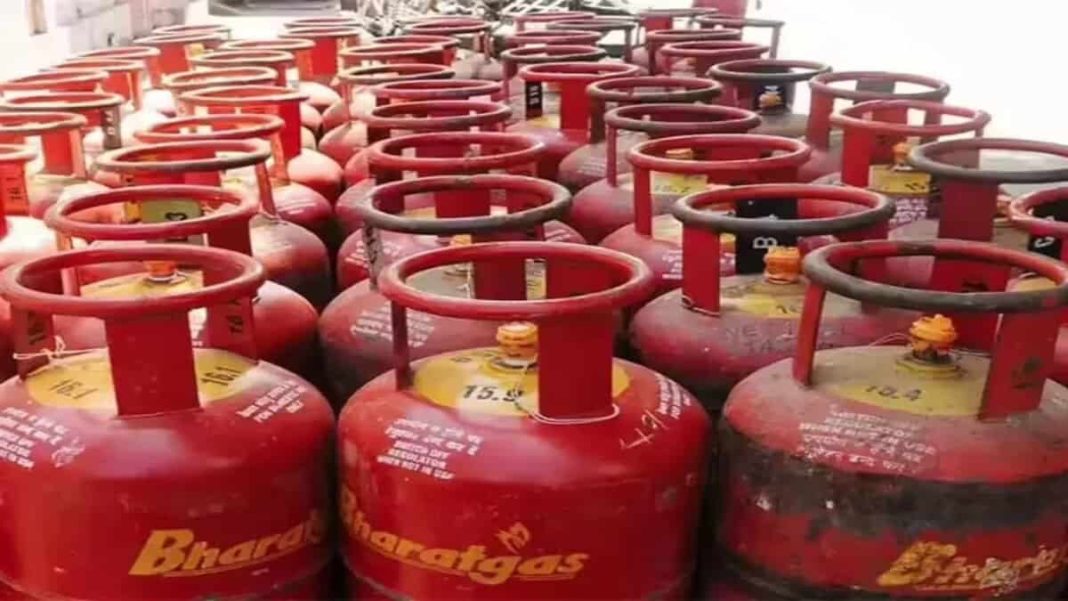
The rhythm of Indian kitchens, often dictated by the steady flame of a domestic LPG cylinder, has once again been disturbed. In a move that directly impacts millions of households, oil marketing companies have announced a significant hike in the price of 14.2 kg non-subsidised domestic liquefied petroleum gas (LPG) cylinders. This latest revision, effective from the start of the month, adds further strain to already stretched household budgets across the nation, making daily essentials pricier.
The increase, ranging between ₹50 to ₹100 depending on the city, pushes the cost of a cooking gas cylinder well over the psychologically significant ₹1,100 mark in many major urban centres. For the common man, already grappling with inflation in food and other commodities, this surge in LPG prices translates into a tangible reduction in disposable income, forcing many to re-evaluate their monthly expenditures.
The Latest Hike: What You Need to Know
The recent price adjustment has seen a uniform increase across most categories of LPG cylinders, but it’s the 14.2 kg domestic variant that garners the most attention due to its widespread usage. This is not an isolated incident; LPG prices have seen a series of upward revisions over the past year, reflecting volatile global energy markets and currency fluctuations. While the government occasionally intervenes with subsidies, their reach and quantum have varied, leaving a significant portion of consumers exposed to market rates.
This hike is a direct consequence of several factors. Primarily, global crude oil prices, which directly influence the cost of LPG, have been on an upward trajectory. Additionally, the depreciation of the Indian Rupee against the US Dollar makes imported LPG more expensive. The government’s decision to pass on these costs to consumers, rather than absorbing them through higher subsidies, is a reflection of economic realities and fiscal constraints.
For families, particularly those with fixed incomes, every rupee counts. The LPG cylinder is not merely a utility; it is the cornerstone of daily sustenance. A sudden spike in its price necessitates immediate adjustments, often at the expense of other household needs, from groceries to children’s education. This creates a cascading effect, contributing to broader inflationary pressures within the economy.
City-wise Rates: Hyderabad, Delhi, and Other Metros
The impact of the hike varies slightly from city to city due to differing state taxes, local levies, and transportation costs. Let’s look at some key urban centres:
- In Hyderabad, a major hub in South India, the price for a 14.2 kg domestic LPG cylinder has now crossed the ₹1,150 mark, making cooking gas significantly costlier for residents of the Pearl City. The previous rate was around ₹1,105, marking a substantial jump.
- Moving to the capital, New Delhi, consumers are now paying approximately ₹1,103 per cylinder.
- In the financial capital, Mumbai, the revised price stands at around ₹1,102.50.
- For households in Kolkata, the new rate is close to ₹1,129.
- Chennai residents will now shell out approximately ₹1,118.50 for their cooking gas.
- Bengaluru, another bustling metro, sees its prices hovering around ₹1,105.50.
These figures highlight the consistent upward trend across the nation, placing a uniform burden on urban households. Regional disparities, though present, do not offer much respite, as the underlying factors driving the price increase are pan-Indian.
“Every time the LPG price goes up, our monthly budget gets tighter. We are a family of four, and cooking gas is non-negotiable. It feels like we are constantly trying to balance between essential needs and soaring prices. Something needs to give,” expressed Mrs. Shanti Rao, a homemaker from Secunderabad, reflecting the sentiment of countless individuals.
Looking Ahead: Navigating the Price Volatility
The frequent revisions in LPG prices underscore the vulnerability of Indian households to global energy market dynamics. While schemes like the Ujjwala Yojana have aimed to provide clean cooking fuel access to economically weaker sections, the rising cost of refills remains a significant challenge even for beneficiaries. Many find it difficult to afford regular refills, sometimes forcing them back to traditional, less healthy cooking methods.
As the economy continues to navigate global uncertainties, the government faces the delicate task of balancing international energy prices with domestic consumer affordability. Strategies could include exploring long-term supply contracts at stable prices, strengthening the domestic production of LPG, and potentially revisiting the subsidy mechanism to ensure targeted support reaches those who need it most, without burdening the national exchequer excessively.
For consumers, adapting to this new reality means perhaps being more mindful of gas usage, exploring energy-efficient cooking methods, or even considering alternative cooking fuels where feasible. The latest LPG price hike is more than just a number; it’s a reminder of the intricate link between global economics and the everyday lives of millions of Indians.
—

