


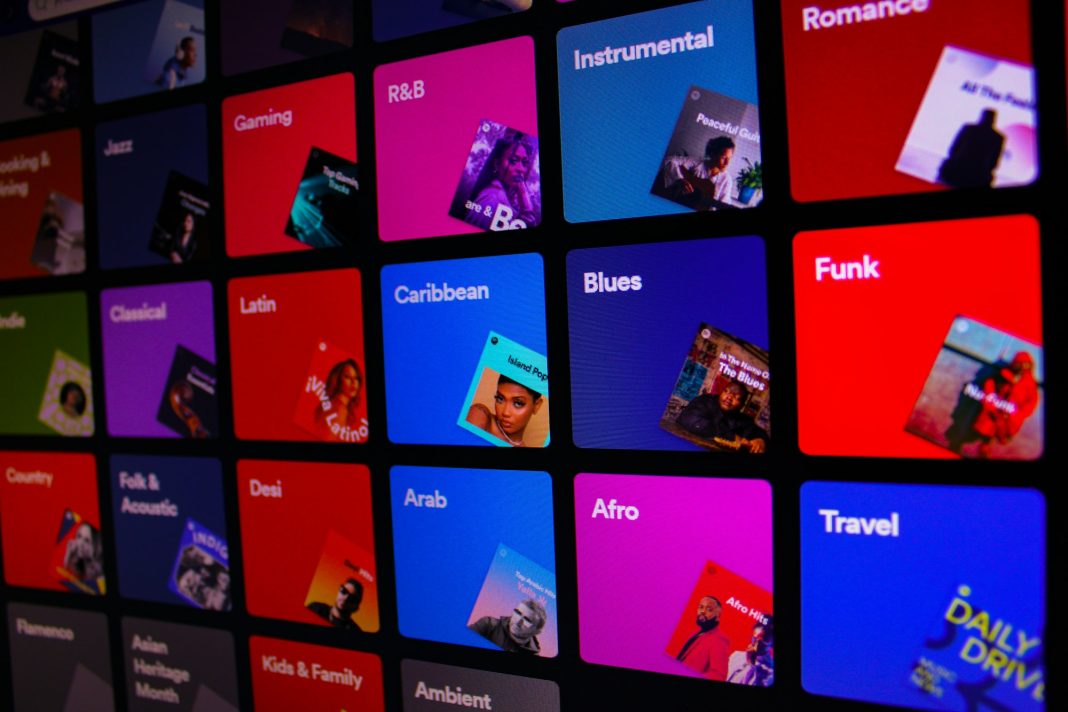
Spotify. For years, it’s been the soundtrack to my life. My morning commute, my late-night coding sessions, my workout anthems – all curated, all seamless, all thanks to that familiar green circle. Like countless others, I fell deeply, irrevocably in love with its convenience, its vast library, and its eerily accurate algorithmic recommendations. But lately, I’ve felt a growing unease. A whisper that perhaps it’s time to explore other pastures. The problem? Ditching Spotify has been a real struggle, far more difficult than I ever anticipated.
The Algorithmic Embrace: A Comforting Cage
My journey began with a simple thought: what if there’s something better? Or, more accurately, what if I just want to try something different? But the moment I considered pulling the plug, I was hit with a wave of unexpected resistance. It wasn’t just about losing access to music; it was about severing a deeply ingrained habit, almost a relationship.
Spotify has perfected the art of making itself indispensable. It knows my tastes better than some of my closest friends. Its “Discover Weekly” and “Release Radar” playlists are practically psychic. Years of listening data, thousands of liked songs, meticulously crafted playlists for every mood imaginable – all tied up in that one platform. The thought of recreating even a fraction of that elsewhere felt like trying to rebuild a skyscraper with a plastic shovel. The comfort of the familiar, the sheer gravitational pull of that personalized ecosystem, is immense.
It’s a comfort that quickly turns into a cage. The effort required to migrate felt overwhelming. Where do I even begin to transfer years of musical history? Each alternative streaming service I peeked at felt foreign, like walking into a new city without a map. There’s a certain muscle memory involved in navigating an app, and Spotify owns all of mine when it comes to music.
The Great Playlist Exodus (and the FOMO)
The biggest hurdle, by far, has been the playlists. Not just my own, but the collaborative ones with friends, the shared vibes, the curated moments that define specific periods of my life. Sure, there are third-party tools promising to transfer playlists, but they often come with caveats: missing songs, lost metadata, a general sense of imperfection. The idea of painstakingly rebuilding them, song by song, is enough to send shivers down any music lover’s spine.
Then there’s the Fear Of Missing Out. All my friends are on Spotify. When they share a new track, send a link to an album, or recommend an artist, it’s always a Spotify link. Trying to explain, “Oh, I’m not on Spotify anymore, can you send me the artist name so I can look it up on my new service?” feels like an unnecessary social friction point. It’s a small thing, but it adds up.
“It’s not just about the music; it’s about the entire ecosystem they’ve built around your listening habits,” observes Sarah Chen, a digital media analyst. “Breaking away feels less like canceling a subscription and more like severing a long-term relationship, complete with the emotional baggage of leaving behind something that knows you so well.”
The journey away from Spotify isn’t just a technical challenge; it’s an emotional one. It’s about letting go of a decade of ingrained habits, of unparalleled convenience, and of a platform that truly understands my unique sonic landscape. While I’m still exploring alternatives, the struggle is real, and the grip of that green circle remains surprisingly strong.
Ultimately, this isn’t about finding a “better” service in an objective sense. It’s about questioning reliance, exploring new horizons, and perhaps, finding a home for my music that aligns more closely with my evolving values. But make no mistake: it’s a marathon, not a sprint, and every step away from the familiar feels like a battle.

