


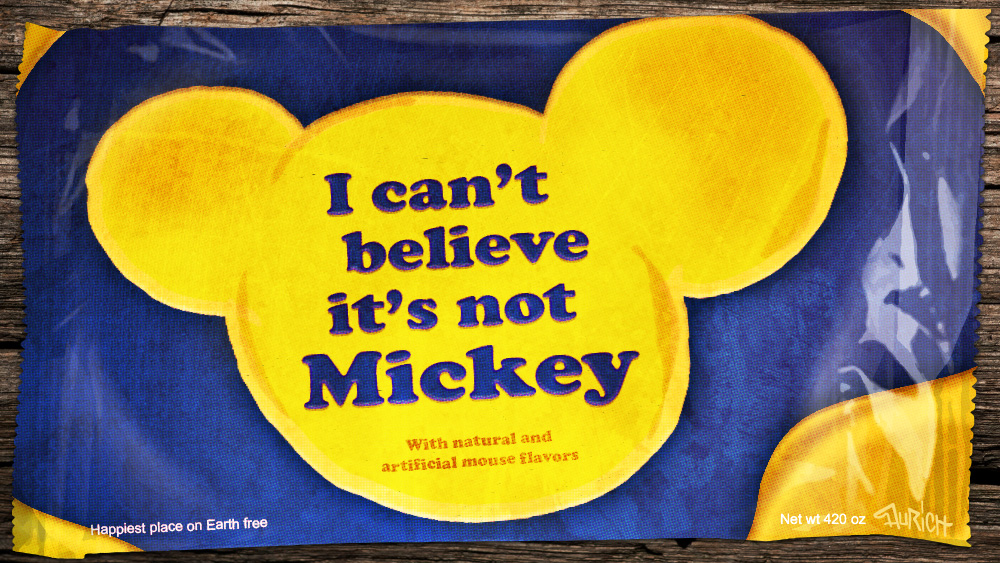
The intersection of artificial intelligence and intellectual property has become a fertile ground for legal disputes, and a recent accusation from one of the world’s largest content creators has amplified this ongoing debate. The Walt Disney Company, a titan of entertainment, has reportedly accused Google’s AI models of extensively infringing upon its copyrighted material. This development brings a significant player into the already crowded field of copyright owners challenging how AI technologies are trained and deployed.
The Heart of the Allegation: AI Training Data
At the core of Disney’s reported accusation lies the fundamental mechanism by which large language models (LLMs) and other generative AI systems operate: learning from vast datasets. These datasets often comprise immense collections of text, images, audio, and video scraped from the internet. Disney, with its expansive library of films, television shows, music, and literary works, represents a substantial portion of global creative output. The contention, in essence, is that Google’s AI models, such as Gemini, have been trained on this copyrighted material without explicit permission or proper licensing.
The argument put forth by rights holders, including Disney, is that using their content to train AI models constitutes unauthorized copying and exploitation. This process, they claim, enables AI to generate new content that either directly mimics or is heavily derivative of their original works, potentially devaluing their intellectual property and circumventing traditional licensing agreements. Google, like other AI developers, typically defends its training practices under the doctrine of “fair use,” arguing that the transformation of data for training purposes does not constitute copyright infringement. However, the legal boundaries of fair use in the context of AI training are still largely undefined and are becoming a central point of contention in courts globally.
Wider Implications for Content Creators and AI Developers
This accusation from Disney is not an isolated incident but rather part of a growing wave of legal challenges against AI companies. Authors, artists, news organizations, and other content creators have filed similar lawsuits, asserting their rights over the data used to train AI. The sheer volume of Disney’s copyrighted assets, combined with its historical prowess in protecting its brand and intellectual property, lends significant weight to this particular case, potentially setting important precedents.
The stakes are incredibly high for both sides. For content creators, the outcome of such disputes could determine how their works are valued and protected in an AI-driven future. They seek clarity on whether they should be compensated for the use of their content in AI training and if they have a right to control how AI models interact with or reproduce their creations. As one intellectual property attorney observed, “This isn’t just about a single lawsuit; it’s about establishing the foundational rules for how creativity and technology will coexist. The balance struck here will reverberate across industries for decades to come.” For AI developers like Google, the resolution of these cases will shape the regulatory environment, influence business models, and potentially dictate the accessibility and cost of training data, directly impacting the future trajectory of AI innovation.
An Evolving Legal and Ethical Landscape
The conflict between Disney and Google AI encapsulates a broader, ongoing debate about the ethics, legality, and economic implications of artificial intelligence. It highlights the tension between the desire for rapid technological advancement and the imperative to protect the rights of creators and intellectual property owners. As courts grapple with these complex issues, the decisions rendered will undoubtedly play a crucial role in defining the boundaries of fair use in the digital age, shaping the future of generative AI, and establishing new paradigms for compensation and consent in an increasingly automated world. The resolution of this and similar cases will be a critical chapter in the story of AI’s integration into society.

