


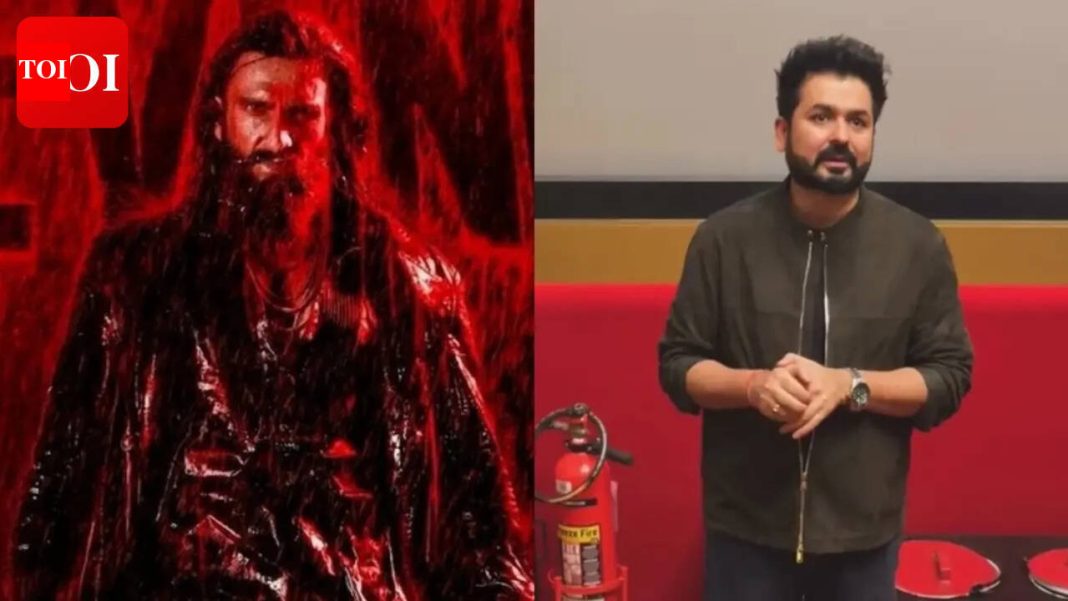
Mumbai, India – In a remarkable display of box office dominance, Aditya Dhar’s latest directorial venture, Dhurandhar 2: The Revenge, starring Ranveer Singh, has officially blazed past the monumental ₹1,000 crore mark worldwide. The film’s unprecedented success has cemented its place as a landmark in Indian cinema, drawing immense praise for its gripping narrative, high-octane action, and stellar performances. However, amidst this celebratory period, the film’s visionary director, Aditya Dhar, has taken a firm stand against a growing digital menace: AI-fabricated images related to the film and its cast, threatening stringent legal action against those involved.
Box Office Triumph Amidst Digital Shadows
Dhurandhar 2: The Revenge has captivated audiences globally, creating a box office sensation rarely seen in recent times. Ranveer Singh’s intense portrayal of the titular character has resonated deeply with viewers, driving massive footfalls to cinemas across India and overseas. The film’s storyline, a compelling blend of patriotism, revenge, and intricate character development, coupled with Dhar’s signature direction, has received widespread critical acclaim and audience adoration. Its journey past the ₹1,000 crore milestone is a testament to its compelling appeal and the immense star power of its lead actor.
The success, while phenomenal, has also inadvertently highlighted a darker side of the digital age. As the film’s popularity soared, so did the circulation of various AI-generated images. These include deepfakes, manipulated stills, and other unauthorized content designed to mislead or misrepresent. The proliferation of such digital fabrications poses significant ethical and legal challenges for creators and public figures alike, threatening to undermine intellectual property and personal integrity.
Aditya Dhar’s Firm Stance Against AI Misuse
Aditya Dhar, known for his commitment to cinematic excellence and integrity, has not minced words in addressing this emerging threat. Reacting strongly to the unauthorized creation and dissemination of AI-fabricated images linked to Dhurandhar 2, Dhar issued a clear warning, indicating that such malicious acts would not be tolerated. “We have worked tirelessly to bring a story of integrity and passion to the big screen. The unauthorized creation and spread of AI-fabricated images, particularly deepfakes, not only infringes on our creative rights but also risks misleading the public and damaging reputations,” Dhar stated emphatically. “Such acts will be dealt with firmly,” he added, underscoring his resolve to pursue legal recourse against those responsible.
This strong condemnation from a prominent filmmaker reflects a growing concern within the entertainment industry regarding the unregulated use of artificial intelligence. The legal implications of AI-fabricated content are complex, touching upon copyright infringement, defamation, and privacy violations. In India, the Information Technology Act, 2000, and its subsequent amendments, alongside provisions under the Indian Penal Code, provide a framework for dealing with cybercrime and digital offenses. However, the rapid advancement of AI technology often outpaces existing legal statutes, necessitating proactive measures from affected parties and a re-evaluation of current laws.
Safeguarding Creative Integrity in the Digital Era
Dhar’s public statement serves as a critical reminder of the evolving challenges faced by creators in the digital age. While AI offers immense potential for innovation, its misuse can have far-reaching negative consequences, from undermining artistic authenticity to enabling widespread misinformation. The film industry, being at the forefront of content creation, is particularly vulnerable to deepfakes and other forms of AI manipulation that can distort original works or create entirely fictitious scenarios involving actors and crew.
The director’s threat of legal action is not merely a defensive measure but a proactive step towards establishing boundaries and ensuring accountability in the digital realm. It underscores the importance of protecting intellectual property and personal image from unauthorized digital alteration, setting a precedent for how the Indian entertainment industry might combat similar threats in the future. As AI technology becomes more accessible, the onus falls on both creators to protect their work and platforms to implement stricter policies against AI misuse.
The dual narrative of Dhurandhar 2 — achieving historic success while confronting modern digital challenges — highlights a pivotal moment for Indian cinema. Aditya Dhar’s unequivocal stand sends a clear message that creative integrity and ethical digital practices are paramount. As the film continues its triumphant run, its creators are simultaneously charting a course for responsible engagement with technology, ensuring that the magic of storytelling remains untainted by digital deception.

