


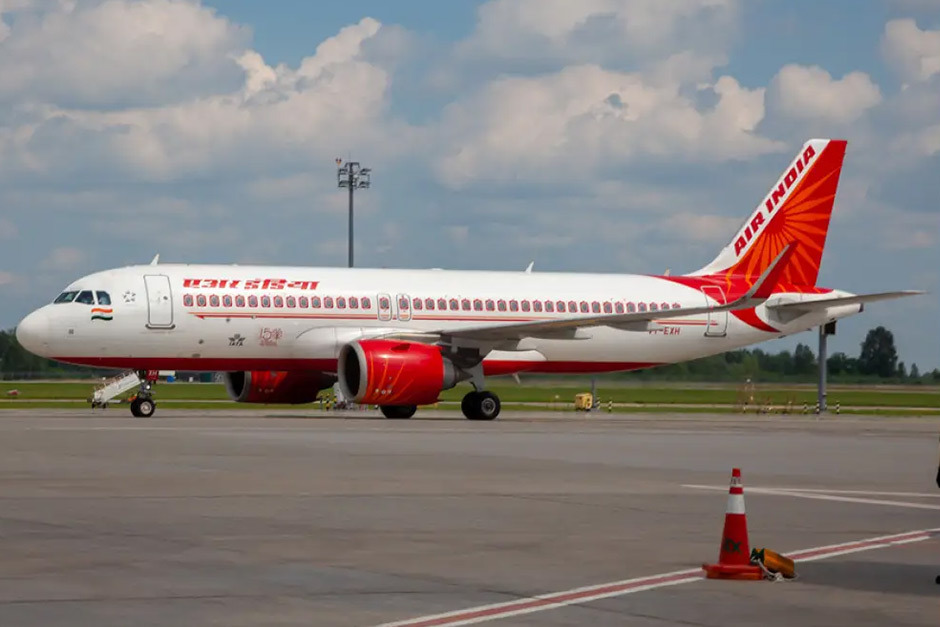
As winter’s chill deepens across North India, a familiar challenge returns to disrupt daily life and, significantly, air travel. Dense fog blankets many regions, drastically reducing visibility and posing significant operational hurdles for airlines. In response to these persistent weather conditions, Air India has proactively issued a comprehensive travel advisory, alerting passengers to the likelihood of flight delays and potential disruptions, especially at key northern airports.
The national carrier’s warning underscores the severe impact of low visibility on aviation operations, urging travellers to remain vigilant and prepared for altered schedules. This advisory isn’t merely a formality; it’s a crucial heads-up for thousands of passengers planning to fly in and out of affected areas, particularly those served by major hubs like Delhi’s Indira Gandhi International Airport (IGIA).
Air India’s Directives and Operational Realities
Air India’s travel advisory, disseminated through its official channels including its website and social media, focuses primarily on preemptive measures passengers can take. The airline strongly recommends that all passengers check their flight status before departing for the airport. This can be done via the Air India website, its mobile app, or by contacting customer service. Passengers are also advised to allow for extra travel time to the airport and to carry all essential travel documents within reach.
The primary reason for these disruptions is the drastically reduced visibility caused by dense fog. Modern airports, especially IGIA, are equipped with advanced Instrument Landing Systems (ILS) like the CAT III B system, which allows flights to land with visibility as low as 50 metres. However, even with this sophisticated technology, departures often require higher visibility thresholds, and not all pilots are certified for CAT III operations. This discrepancy leads to a bottleneck, where incoming flights might land but outgoing ones are held back, causing a cascading effect of delays across the entire network.
Specific routes to and from cities like Delhi, Chandigarh, Lucknow, Amritsar, and Jaipur are typically the most susceptible during peak fog season due to their geographical location and prevailing meteorological patterns. The advisory implicitly covers these regions, as they frequently experience the meteorological conditions that trigger such warnings. For passengers, understanding these operational realities is key to managing expectations and stress during what can be a frustrating travel experience.
Broader Implications and Passenger Preparedness
While Air India has issued this specific advisory, the operational challenges posed by dense fog are not exclusive to one airline. All carriers operating in and out of fog-affected regions face similar constraints. Airport authorities, in conjunction with Air Traffic Control (ATC), work tirelessly to manage the flow of traffic under adverse conditions, prioritizing safety above all else. This often means holding flights at their origin or diverting them to clearer airports – a decision that, while prioritising safety, can significantly complicate travel plans for passengers. Such diversions or prolonged ground delays often lead to logistical challenges for both passengers and airlines, from arranging alternative transport to managing crew duty times.
For passengers encountering delays or cancellations, prompt communication from the airline is crucial. Air India’s advisory encourages passengers to ensure their contact details are updated with the airline to receive timely notifications regarding schedule changes. In situations of significant delays or outright cancellations, passengers are generally entitled to rebooking options without additional charge, or in some cases, a full refund, as per India’s Directorate General of Civil Aviation (DGCA) regulations. Depending on the duration of the delay and whether it extends overnight, airlines might also be required to provide meals or accommodation. However, these entitlements can vary based on the specific circumstances and airline policy, making it important for passengers to understand their rights.
An aviation expert, speaking on the challenges, remarked, “Winter fog is an annual certainty, and while technology aids us significantly, it doesn’t eliminate all hurdles. The safety of passengers and crew remains paramount. We urge travellers to proactively monitor their flight status and maintain flexible travel plans wherever possible, as conditions can change rapidly.” This sentiment encapsulates the careful balance between operational efficiency and safety that airlines and airports must maintain.
The dense fog sweeping across North India is a significant challenge for air travel, and Air India’s proactive travel advisory serves as an important reminder for all prospective flyers. By staying informed, arriving prepared, and exercising patience, passengers can navigate potential disruptions more smoothly. While airlines and airport authorities continue to implement their best strategies to minimise inconvenience, the unpredictable nature of winter weather dictates that vigilance remains the most effective tool for travellers. As the mercury dips further, prospective flyers are encouraged to make real-time flight status checks a mandatory part of their pre-travel routine to avoid last-minute surprises.

