


In the digital age, a seemingly casual social media post can sometimes ripple across borders, sparking diplomatic conversations and highlighting underlying national sentiments. Such was the case when a public figure associated with a former US administration made comments about Greenland, prompting Denmark to issue a clear call for “respect.” This incident underscored the delicate balance between informal communication and the serious protocols of international relations, particularly when discussing sovereign territories.
Greenland’s Status: Not for Sale, But a Home
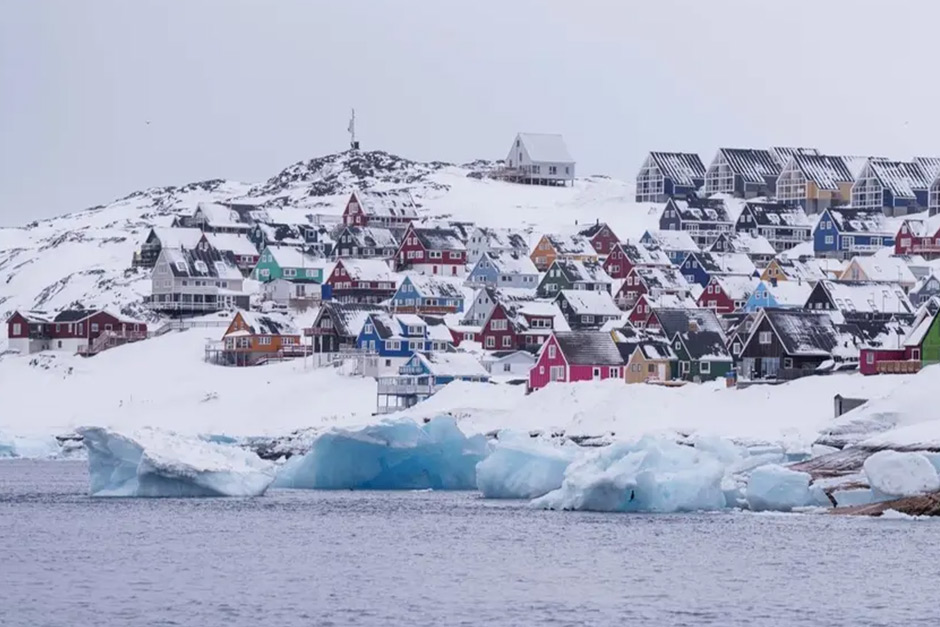
To understand Denmark’s reaction, it’s crucial to recall the previous context surrounding Greenland. Greenland is an autonomous territory within the Kingdom of Denmark, boasting a rich Indigenous culture and significant strategic importance due to its geographical location. The idea of the United States acquiring Greenland has a historical precedent, resurfacing in recent memory when the former US President openly expressed interest in purchasing the vast island.
This proposition was met with firm rejection by Denmark. Danish officials, including the Prime Minister, unequivocally stated that Greenland was not for sale, emphasizing that it is an inhabited territory with its own people and an integral part of the Danish realm. This response highlighted the fundamental difference in perspective: while some might view Greenland through an economic or strategic lens, Denmark views it as a living territory, home to citizens with self-determination, and a matter of national sovereignty and dignity.
Social Media Sparks a Diplomatic Reminder
Against this backdrop, comments made on social media by the wife of a former Trump aide brought the issue back into the spotlight. The post, which some interpreted as casually discussing Greenland’s future as if it were a negotiable asset, quickly drew attention. For Denmark, this wasn’t merely a political gaffe; it touched a nerve, reigniting concerns about how their territory and sovereignty were being perceived on the international stage, especially from a close ally.
The Danish Prime Minister, Mette Frederiksen, responded by stating that Denmark expected “respect” in discussions concerning Greenland. This wasn’t a demand for deference but a request for adherence to established diplomatic norms and an acknowledgment of Greenland’s status as a self-governing part of the Danish Kingdom, not a commodity. It underscored the importance of treating sovereign territories and their populations with seriousness and proper protocol, rather than as items in a speculative transaction.
As one observer noted, “For a nation like Denmark, whose identity is deeply intertwined with its territories, even a seemingly innocuous social media post can feel like a direct challenge to its sovereignty and dignity. It’s not just about land; it’s about people and their right to self-determination.” This sentiment encapsulates the depth of feeling behind Denmark’s request.
The Evolving Landscape of International Discourse
The incident serves as a pertinent reminder of how easily communication in the digital sphere can be misconstrued or amplified, particularly when it touches upon sensitive geopolitical issues. It highlights the evolving landscape of international discourse, where informal platforms can unexpectedly intersect with formal diplomacy.
Denmark’s call for respect was a measured but firm assertion of its sovereignty and a reaffirmation of Greenland’s standing within the Kingdom. It emphasized that while allies may engage in robust discussions, fundamental principles of territorial integrity and national respect must always be upheld. The episode, therefore, became a lesson in the importance of nuanced communication and cultural understanding in an interconnected world, where every statement, no matter how casually delivered, can carry significant weight.
*

