


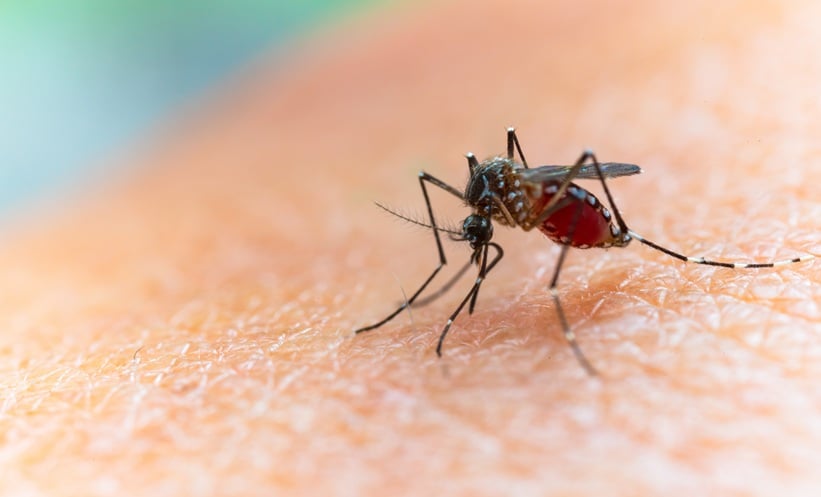
India, a nation bustling with dynamic change, faces an evolving healthcare landscape. While the battle against infectious diseases like dengue continues, a parallel demographic shift is unfolding: an increasingly aging population. Individually, both dengue and an aging populace present significant challenges. However, their convergence creates a complex new paradigm for healthcare, demanding innovative strategies and heightened vigilance. As the elderly become more susceptible to severe disease outcomes, the need for integrated care solutions becomes paramount.
The Double Burden: Dengue and Geriatric Vulnerability
Dengue, a mosquito-borne viral infection, has long been endemic in many parts of India, causing annual outbreaks that strain public health resources. Traditionally, severe dengue was often associated with children. However, recent epidemiological data suggest a rising incidence and severity among older adults. This shift can be attributed to several factors inherent to aging.
Firstly, the immune system naturally weakens with age, a phenomenon known as immunosenescence. This makes older individuals less capable of mounting an effective immune response against the dengue virus, increasing their susceptibility to infection and the likelihood of developing severe forms like dengue hemorrhagic fever (DHF) or dengue shock syndrome (DSS). Moreover, the symptoms in older patients can often be atypical or masked by pre-existing chronic conditions such as diabetes, hypertension, or heart disease. This diagnostic ambiguity can delay timely intervention, leading to poorer prognoses.
The presence of co-morbidities further complicates care. Medications for chronic illnesses can interact with dengue treatment, or the disease itself can exacerbate underlying conditions, leading to multi-organ dysfunction. Recovery is often slower and more challenging for the elderly, requiring prolonged hospital stays and intensive post-discharge care. The psychological toll, combined with physical debility, can also significantly impact their quality of life.
India’s Demographic Shift and Healthcare Preparedness
India is experiencing a rapid demographic transition, with the proportion of its elderly population (aged 60 and above) projected to reach 19.5% by 2050. This surge in the geriatric population, coupled with the persistent threat of dengue, places immense pressure on an already stretched healthcare system. Hospitals, often operating at capacity during dengue outbreaks, now face the additional burden of managing critically ill elderly patients who require specialized care.
Primary healthcare centres, the first point of contact for many, need enhanced capabilities to identify and manage dengue in older adults, particularly in rural and semi-urban areas where access to specialized geriatric care might be limited. The lack of standardized protocols for elderly dengue patients and insufficient training for healthcare workers in geriatric-specific tropical disease management further compound the problem. Furthermore, the role of home-based care and community support systems becomes crucial, as many older adults prefer to recover in familiar surroundings, provided adequate medical oversight is available.
Dr. Aparna Singh, a public health expert based in Delhi, emphasizes the urgency: “We need to move beyond viewing dengue as solely a pediatric or general adult concern. The aging demographic presents a unique vulnerability that requires a paradigm shift in our preparedness. It’s not just about managing the acute infection; it’s about understanding the interplay with chronic diseases and ensuring holistic support for recovery.”
Strategies for Integrated Care and Prevention
Addressing the dual challenge of dengue and aging necessitates a multi-pronged, integrated approach. Prevention remains the cornerstone. Community-level mosquito control programs must be sustained and intensified, with a particular focus on areas densely populated by older adults. Awareness campaigns need to be tailored to caregivers and family members of the elderly, educating them about early symptoms and the importance of prompt medical attention.
Healthcare providers, from community health workers to specialists, require comprehensive training in geriatric-specific dengue management. This includes recognizing atypical symptoms, understanding drug interactions, and managing co-morbidities effectively. Rapid diagnostic kits, accessible at primary care levels, can facilitate early detection. Establishing dedicated geriatric wings or protocols within hospitals for dengue patients could ensure specialized care that addresses their unique physiological needs.
Investment in strengthening home healthcare services and teleconsultation platforms can play a vital role in post-discharge follow-up and chronic disease management, reducing the burden on hospitals. Research into dengue vaccine efficacy and safety in older populations, as well as studies focusing on the immunological responses of the elderly to the virus, are also critical for developing targeted interventions. Collaborative efforts between public health bodies, geriatric associations, and research institutions are essential to formulate evidence-based guidelines and policies.
The intersection of dengue and an aging population presents a significant, yet manageable, public health challenge for India. By acknowledging the unique vulnerabilities of older adults and adopting an integrated, proactive approach encompassing prevention, specialized care, and robust community support, India can safeguard its growing senior demographic against the increasing threat of vector-borne diseases. The time to adapt and innovate in healthcare delivery is now, ensuring a healthier and more secure future for all its citizens.

