


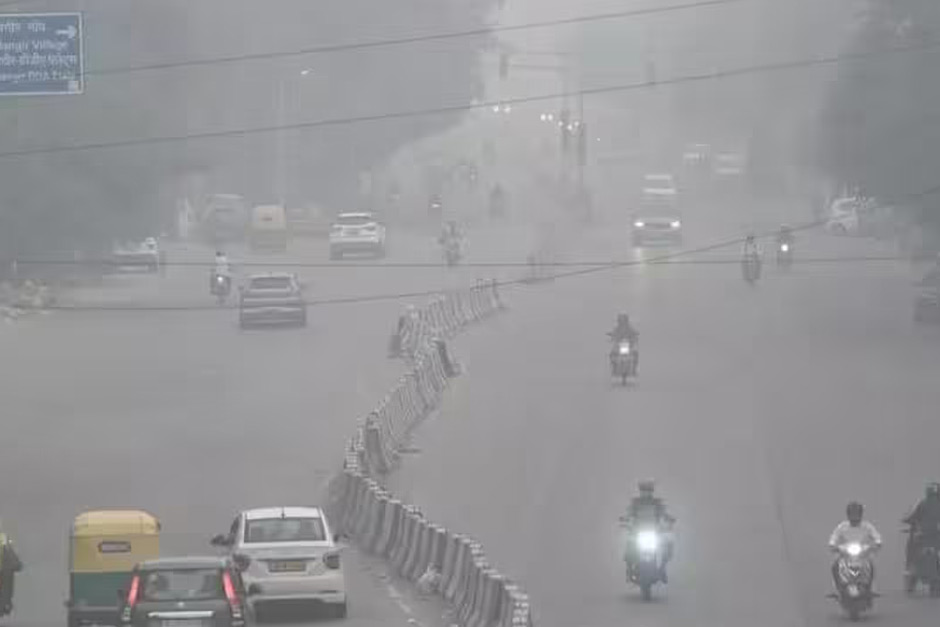
Delhi, the national capital, once again finds itself engulfed in a thick blanket of smog, as air quality across the city plummets to alarming levels. For its millions of residents, the familiar sight of a hazy skyline and the distinct, acrid smell in the air have become an annual grim reality. Recent data from the Central Pollution Control Board (CPCB) has confirmed these fears, with a staggering 19 monitoring stations within the National Capital Region (NCR) recording Air Quality Index (AQI) values in the ‘severe’ category, signifying a significant public health emergency.
The situation underscores a recurring crisis that challenges both public health and environmental governance. As the festive season gives way to winter, Delhi’s air quality takes a predictable and dangerous turn, compelling authorities to consider stringent emergency measures and leaving citizens grappling with the immediate and long-term health repercussions of breathing highly polluted air.
The Alarming Numbers and Immediate Health Fallout
The ‘severe’ category, according to environmental agencies, means that the air can cause respiratory illness on prolonged exposure and seriously affect those with existing diseases. On recent days, several stations, including Mundka, Wazirpur, RK Puram, Anand Vihar, and Ashok Vihar, registered AQI levels well above the 400-mark, with some even breaching 450. These numbers are a stark indicator of the high concentration of particulate matter, particularly PM2.5 and PM10, which are small enough to penetrate deep into the lungs and enter the bloodstream.
The immediate impact is palpable. Residents report irritated eyes, persistent coughs, and breathing difficulties. Hospitals are witnessing an uptick in patients presenting with respiratory ailments, ranging from aggravated asthma and bronchitis to other chronic obstructive pulmonary diseases. Vulnerable groups, including children, the elderly, and those with pre-existing conditions, are disproportionately affected, facing heightened risks of adverse health outcomes. Visibility is severely reduced, impacting daily commutes and posing risks on roads, further disrupting the city’s bustling life.
In response to such severe conditions, the Graded Response Action Plan (GRAP) comes into effect. With the AQI touching the ‘severe’ mark, the stringent measures of GRAP Stage IV are either active or on the brink of activation. These include a ban on all non-essential construction work, restrictions on the entry of trucks, and potentially even the reintroduction of the odd-even car rationing scheme, alongside the closure of primary schools.
Unpacking the Multi-faceted Crisis: Why Delhi Chokes
Delhi’s pollution crisis is not a singular phenomenon but a complex interplay of various factors that coalesce particularly during the post-monsoon and winter months. One of the most significant contributors is stubble burning in the agricultural fields of neighbouring states like Punjab, Haryana, and Uttar Pradesh. Farmers clearing their fields for the next crop often resort to burning crop residue, releasing vast plumes of smoke that travel with prevailing winds into Delhi’s air shed.
Vehicular emissions constitute another major pollutant source within the city. The sheer volume of traffic, coupled with older vehicles and inadequate public transport infrastructure, contributes significantly to PM2.5 and nitrogen oxide levels. Industrial emissions from factories operating in and around the NCR, often using polluting fuels, add to the cocktail. Construction dust, from the myriad of ongoing infrastructure projects, also remains a persistent local source of particulate matter.
Adding to these anthropogenic factors are adverse meteorological conditions. During winter, cooler temperatures lead to a phenomenon known as thermal inversion, where a layer of warm air traps colder air and pollutants close to the ground. Coupled with calm wind conditions, this prevents pollutants from dispersing, essentially turning Delhi into a gas chamber. This geographical and climatic vulnerability makes the city particularly susceptible to trapping pollutants.
Environmental expert, Dr. Priya Sharma, a professor at Delhi University, commented, “This annual deterioration is a clear indicator that short-term measures are not enough. We need a holistic, year-round strategy that involves all stakeholders – farmers, industries, urban planners, and the public – across the entire region. The health of millions is at stake.”
Addressing the Challenge: Collaborative Pathways Forward
The recurring nature of Delhi’s air pollution demands not just immediate firefighting but a sustained, multi-pronged strategy. While GRAP measures provide temporary relief, the long-term solution lies in tackling the root causes. This involves investing in alternative crop residue management techniques for farmers, transitioning to cleaner fuels for industries, upgrading public transport systems, promoting electric vehicles, and enforcing stricter emission norms for all sources.
Inter-state cooperation is paramount. Policies and enforcement in one state directly impact the air quality of another, necessitating a coordinated regional approach involving the Central government and all affected state administrations. Public awareness and participation are also crucial, encouraging citizens to adopt more sustainable lifestyles and press for environmental accountability.
As Delhi grapples with yet another bout of hazardous air, the urgency for decisive and collaborative action has never been greater. The city’s residents deserve to breathe clean air, a fundamental right that continues to be compromised by a complex web of environmental, economic, and political challenges. Moving forward, a blend of technological innovation, robust policy implementation, and collective responsibility will be vital to break this perennial cycle of pollution and ensure a healthier future for the capital.
*

