


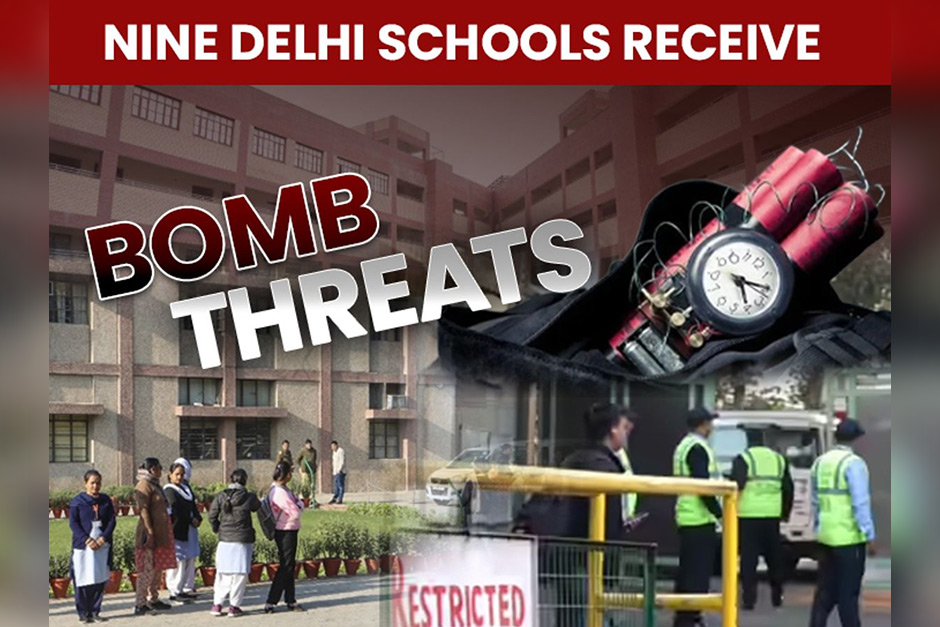
A wave of apprehension swept across India’s capital on Wednesday morning as numerous schools in Delhi and the National Capital Region (NCR) received identical bomb threat emails. The alarming messages, which included the provocative assertion “Delhi will become Khalistan,” triggered widespread evacuations, school closures, and a massive security alert. While initial investigations suggested the threats might be a hoax, the highly sensitive nature of the message has prompted a multi-agency probe, putting security forces on high alert across the city.
The incident caused immediate panic among parents, students, and school administrations, recalling previous similar scares. However, the explicit mention of “Khalistan” adds a significant layer of concern, elevating the incident from a mere law and order issue to one with potential national security implications. Authorities are working diligently to trace the origin of these emails and reassure the public.
The Alarming Morning: Panic Across the Capital
The first reports of the bomb threats emerged early Wednesday, with schools beginning to receive emails around 4 AM IST. The synchronized nature of the threats, often sent to multiple email IDs associated with each school, suggested a coordinated effort. Schools, upon discovering the threats, immediately initiated their emergency protocols, leading to the rapid evacuation of premises and the cancellation of classes for the day. Parents, many already en route to drop off their children, were left scrambling to understand the situation amidst conflicting reports.
Police and bomb disposal squads swiftly reached the affected schools, conducting thorough searches with sniffer dogs and specialized equipment. While no suspicious objects or explosives were found in any of the premises after extensive sweeps, the sheer scale of the operation highlighted the gravity with which authorities treated the threats. The Delhi Fire Service also remained on standby, demonstrating a coordinated response from various emergency services.
The emotional toll on parents was palpable. Many expressed profound relief when their children were safely reunited with them, but also deep anxiety about the recurring nature of such threats and the specific, politically charged language used this time. The closure of schools for the day meant a disruption to lakhs of students’ education and daily routines, but safety remained the paramount concern for all involved.
Unpacking the “Khalistan” Angle: A Deeper Concern
The most disturbing aspect of the threat emails was the explicit declaration: “Delhi will become Khalistan.” This phrase immediately drew attention from intelligence agencies, as it directly refers to the separatist movement for an independent Sikh state of Khalistan. While the movement lost significant ground in India in the 1990s, fringe elements and certain diaspora groups abroad continue to advocate for it. The use of this slogan in a bomb threat targeting the nation’s capital is a significant escalation from a typical hoax and is being viewed very seriously by national security establishment.
Investigations are now focusing heavily on the digital footprint of these emails. Preliminary analysis suggests the emails originated from an IP address outside India, likely routed through VPNs or proxy servers to mask the sender’s true location. This makes tracing the perpetrators a complex task, often requiring international cooperation. Cyber forensic experts are working to uncover any digital breadcrumbs that could lead to the individuals or groups responsible for orchestrating this widespread scare.
The timing of such a threat also raises questions, particularly in a period of heightened political activity and ahead of significant national events. Authorities are exploring all angles, including the possibility of foreign interference or attempts to destabilize public order and sow discord within the country. The intention behind invoking the Khalistan narrative is clearly to create a sense of fear and instability, far beyond the immediate panic of a bomb scare.
“We are treating this incident with the utmost seriousness, not just as a bomb threat but as a potential attempt to incite fear and disrupt peace,” stated a senior Delhi Police official involved in the investigation. “While no explosives were found, the underlying message is concerning. Our cyber teams are working tirelessly to trace the origins of these emails, and we are coordinating with central agencies to understand the broader implications and identify those behind this coordinated attack on our children’s sense of security.”
Enhanced Security and Public Reassurance
In the wake of the threats, security measures across Delhi have been significantly heightened. Police patrols around educational institutions, critical infrastructure, and public spaces have been intensified. Public advisory messages have been issued, urging citizens to remain vigilant but to refrain from spreading unverified information or succumbing to panic. The emphasis is on trusting official channels for updates and cooperating with law enforcement.
The incident serves as a stark reminder of the evolving nature of threats in the digital age. While physical security remains crucial, the ease with which individuals or groups can disseminate terrorizing messages online presents a unique challenge. Education departments are also reviewing their protocols for handling such cyber threats, and considering awareness campaigns for students and staff on reporting suspicious activities.
As investigations continue, the priority remains ensuring the safety and security of Delhi’s residents, particularly its children. The city, known for its resilience, is uniting in its resolve against such attempts to disrupt peace and stability. The full might of India’s security and intelligence apparatus is now focused on bringing the perpetrators of these alarming threats to justice.

