


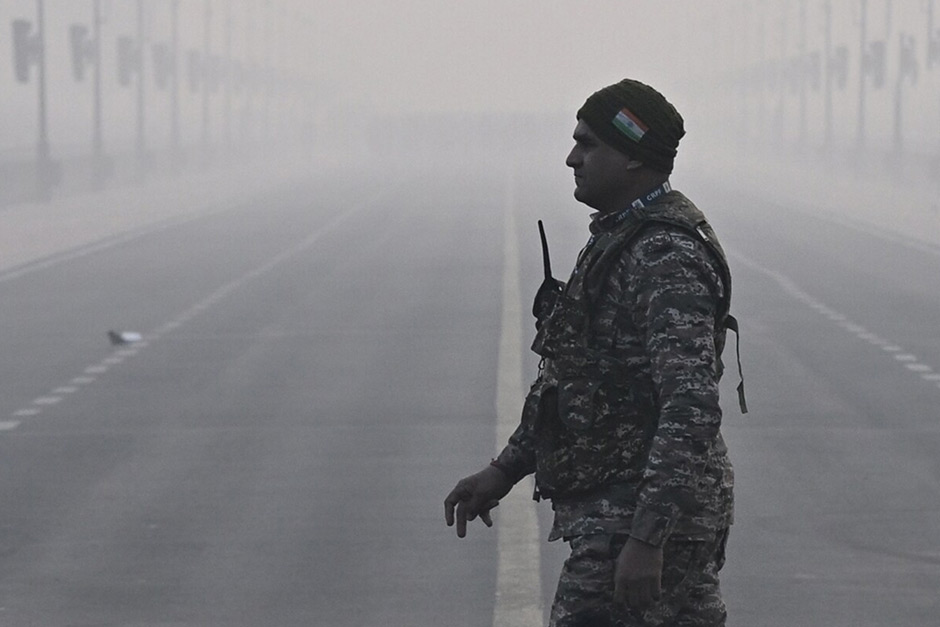
Delhi, the bustling capital known for its vibrant spirit, recently experienced a profound dip in temperatures, recording its coldest night in three years. On a recent morning, the mercury plummeted to a chilling 2.9°C, transforming the urban landscape into a frosty tableau and sending residents scrambling for warmth. This significant drop has not only marked a meteorological milestone but has also brought into sharp focus the harsh realities of winter for millions across the National Capital Region (NCR).
Delhi Shivers: A Three-Year Low
The dawn of a new day saw Delhi wake up to an unprecedented chill as the minimum temperature registered a stark 2.9°C. This figure, significantly below the seasonal average, officially qualifies as the coldest night since January 2020, when the city recorded an even lower 2.4°C. The India Meteorological Department (IMD) confirmed this dramatic drop, categorising it as a severe cold wave condition impacting various parts of Delhi-NCR.
The biting cold was pervasive, with Palam observatory recording an even lower 2.0°C, highlighting the varied microclimates within the vast city. Safdarjung Observatory, considered the official marker for Delhi, reported the aforementioned 2.9°C. The drop was not a sudden anomaly but rather the culmination of several days of declining temperatures, intensifying the winter grip. This extreme weather has prompted widespread advisories and precautions, particularly for vulnerable populations.
Understanding the Chill: Meteorological Factors and Public Impact
Several meteorological factors have converged to create this intense cold spell. Experts point to the prevalence of dry, cold northwesterly winds sweeping down from the snow-clad Himalayas. These winds, coupled with clear skies that allow for rapid heat radiation from the earth’s surface during the night, have contributed significantly to the temperature plunge. The absence of Western Disturbances, which typically bring cloud cover and can slightly raise minimum temperatures, has further exacerbated the conditions.
The impact on daily life has been immediate and profound. Early morning commuters faced dense fog and severely reduced visibility, leading to delays and disruptions in transportation services, including flights and trains. Schools have adjusted timings or declared holidays to protect children from the extreme cold. Residents have resorted to traditional coping mechanisms, from lighting bonfires and huddling around heaters to consuming hot beverages and layering up with multiple garments. The demand for warm clothing and heating appliances has seen a significant surge across local markets.
Dr. R.K. Jenamani, a senior scientist at the IMD, commented on the situation: “The current cold wave is a result of a persistent flow of cold, dry air from the northern mountains and clear night skies. We anticipate these conditions to persist for a few more days before a marginal increase in temperatures might be observed. Public cooperation in taking necessary precautions is crucial during such extreme weather events.”
Coping Mechanisms and the Road Ahead
Delhiites, known for their resilience, are employing various strategies to combat the relentless cold. Night shelters across the city have seen an increased occupancy as the homeless seek refuge from the freezing outdoor conditions. Charitable organisations and government bodies are distributing blankets and warm meals to those most affected. Health advisories are being issued, urging residents to stay hydrated, avoid prolonged exposure to the cold, and seek medical attention for symptoms like cough, cold, or respiratory distress, which tend to spike during severe winters.
Looking ahead, the IMD has indicated that the severe cold wave conditions are likely to persist for a few more days, with minimum temperatures hovering around the 3-4°C mark. There might be a slight reprieve towards the end of the week or early next week with a possible marginal rise in temperatures, but the overall winter chill is expected to endure. Residents are advised to stay updated with the latest weather forecasts and continue taking necessary precautions to ensure their well-being. Delhi’s coldest night in three years serves as a stark reminder of nature’s powerful embrace and the need for preparedness in facing climatic extremes.

