


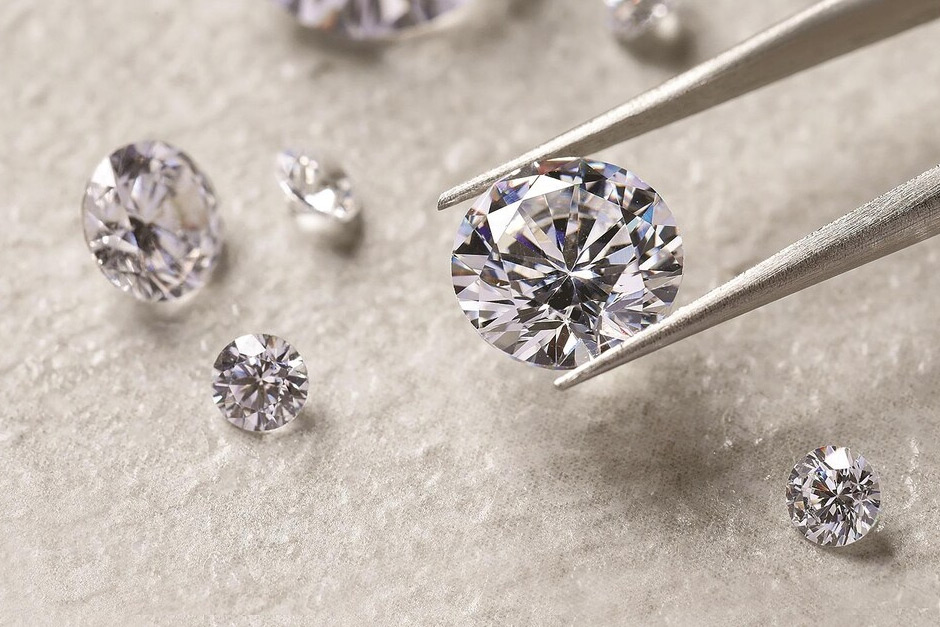
The Indian jewellery market, a vibrant tapestry of tradition and evolving tastes, is currently witnessing a fascinating interplay between age-old luxury and modern innovation. At the heart of this dynamic is the debate surrounding natural versus lab-grown diamonds, a discussion intensified by global mining giant De Beers’ steadfast conviction that the rise of lab-grown alternatives, even from a formidable player like India’s Titan, will not diminish the allure of real, natural diamonds.
India, a major hub for diamond cutting and polishing, and a significant consumer market, is crucial to this narrative. Titan Company Ltd., through its popular brands like Mia and CaratLane, has strategically entered the lab-grown diamond (LGD) segment, tapping into a growing demographic seeking affordability and contemporary designs. This move has certainly generated buzz, but De Beers, custodians of an industry built on rarity and romance, remains unperturbed, confident in the enduring power of billions of years of geological formation.
The Undeniable Divide: Rarity vs. Accessibility
De Beers’ position hinges on a fundamental distinction: natural diamonds are finite geological marvels, each unique, formed deep within the Earth over eons. This inherent rarity, they argue, is what imbues them with irreplaceable emotional and financial value. For generations, a natural diamond has symbolised enduring love, commitment, and a tangible store of wealth, a legacy passed down through families.
Lab-grown diamonds, while chemically and physically identical to their natural counterparts, are products of technology. Created in controlled environments over weeks, their supply is potentially limitless. This technological marvel translates into significantly lower price points, making diamond jewellery more accessible to a wider audience, particularly younger consumers and those seeking fashion-forward pieces without the premium tag. Brands like Titan are expertly leveraging this accessibility, offering stylish, contemporary designs that cater to an everyday luxury segment rather than solely milestone purchases.
Titan’s Strategic Brilliance in the Indian Market
Titan’s entry into the LGD space is a shrewd business move tailored for the Indian consumer landscape. The Indian market, while deeply rooted in traditional gold and natural diamond jewellery for weddings and festivals, also possesses a burgeoning middle class with disposable income and a global outlook. This segment is increasingly open to new trends, affordability, and ethical considerations often associated with LGDs.
Through Mia by Tanishq and CaratLane, Titan is not aiming to replace natural diamonds but to expand the overall market. They are catering to the consumer who might desire a diamond piece for a casual outfit, a professional setting, or as a self-purchase, where the investment value might be secondary to aesthetic appeal and price. This strategy complements, rather than directly competes with, Tanishq’s premium natural diamond offerings, allowing Titan to capture different market segments effectively.
Sachin Jain, CEO of De Beers India, articulated the company’s perspective, stating, “Natural diamonds occupy a unique space in the hearts and minds of consumers. Their rarity, natural origin, and the emotional connection they foster cannot be replicated. We believe lab-grown diamonds serve a distinct fashion segment, expanding the overall pie rather than cannibalizing the natural diamond market.” This quote encapsulates De Beers’ strategy: acknowledging LGDs as a different product category with its own market, rather than a direct threat.
Coexistence and Evolving Consumer Choices
The future of the diamond industry in India appears to be one of coexistence, albeit with clear segmentation. De Beers continues to invest heavily in marketing natural diamonds, emphasising their heritage, provenance, and enduring value through campaigns like “A Diamond Is Forever.” They are also innovating with technologies like ‘Tracr’, a blockchain platform to assure the authenticity and journey of natural diamonds, further reinforcing consumer confidence.
The Indian consumer, increasingly discerning, will likely make choices based on their priorities: whether it’s the profound symbolism and investment potential of a natural diamond, or the affordability and contemporary style offered by a lab-grown alternative. Rather than dulling the lustre of real diamonds, Titan’s push into LGDs may well serve to broaden the diamond jewellery market, inviting new consumers into the fold and ultimately reinforcing the aspirational appeal of diamonds in all their forms.
The narrative is not one of replacement, but of expansion and diversification. The Indian jewellery market, rich in its complexity, is simply offering more choices to its diverse clientele, ensuring that diamonds, in one form or another, continue to sparkle across the subcontinent.

