


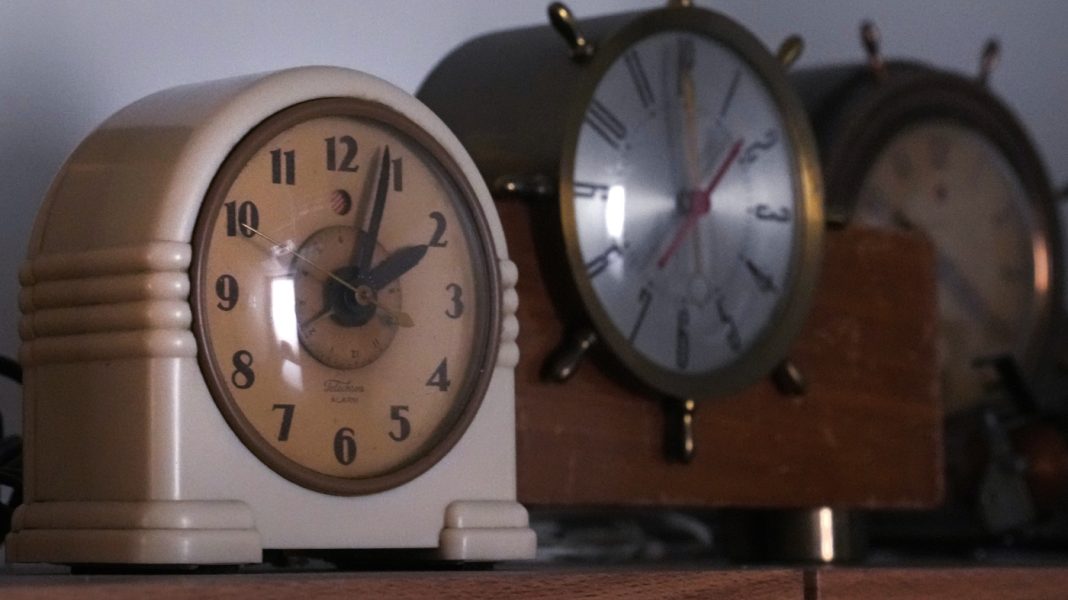
That familiar whisper of change is in the air. Soon, we’ll collectively adjust our clocks, ushering in the end of Daylight Saving Time. It’s more than just a tweak on your smartphone; it’s a moment that subtly, yet significantly, recalibrates our daily lives, influencing everything from our sleep patterns to our evening routines. For many, it’s a welcome return to “normal” time, while for others, it’s a jarring disruption. Let’s delve into what this biannual ritual truly means as we prepare to “fall back” this coming Sunday.
The Immediate Shift: Gaining an Hour, Losing Light
The mechanics are simple enough: in the wee hours of Sunday morning, the clock will magically rewind from 2 AM to 1 AM. This means an extra hour of sleep for most, a rare indulgence in our perpetually busy world. But it’s not just about that fleeting moment of slumber. This shift marks a deeper transition – the official embrace of shorter daylight hours in the evenings. Gone are the long, lingering sunsets; instead, dusk will arrive earlier, painting our skies dark by late afternoon.
This immediate impact on daylight perception is perhaps the most visceral aspect of the change. Suddenly, the evening commute feels longer, the opportunity for post-work outdoor activities diminishes, and for many, the cozy allure of indoor living becomes paramount. It’s a stark reminder that winter is indeed approaching, and with it, a different pace of life.
Beyond the Clock: Unpacking the Ripple Effects
While an extra hour of sleep might sound like a net positive, the adjustment period for our bodies can be surprisingly complex. Our internal circadian rhythms, finely tuned to the sun’s schedule, don’t instantly recalibrate. This can lead to what’s often termed “social jet lag,” where our internal clock is out of sync with the external one. Think mild grogginess, difficulty concentrating, and even shifts in mood as our brains adapt to the new light-dark cycle.
The earlier sunset, in particular, often sparks conversations about everything from energy consumption to road safety. While the original intent of Daylight Saving Time was to conserve energy and utilize daylight more efficiently, modern studies offer mixed conclusions on its true impact. What is undeniable, however, is the psychological effect. “The sudden darkening of evenings can trigger a subtle yet profound shift in collective mood,” notes Sarah Chen, a behavioral psychology researcher. “We often see an uptick in seasonal affective patterns as people adjust to less natural light exposure after work or school.”
Furthermore, the disruption can extend to practicalities. For industries dependent on precise scheduling, like transportation and healthcare, careful coordination is essential. Even for individuals, daily routines from meal times to exercise schedules often need minor adjustments to accommodate the new daylight rhythm, underscoring how deeply integrated the concept of “time” is into our societal fabric.
Navigating the Shift: Tips and Reflection
As we brace for the change, a few proactive steps can help ease the transition. Prioritizing consistent sleep and maximizing natural light exposure during the day can mitigate some of the “jet lag” effects. The ending of Daylight Saving Time is more than just turning a dial; it’s an annual reminder of our ongoing, often complicated, relationship with time, light, and the rhythms of nature. So, as you adjust your clocks this Sunday, take a moment to appreciate this subtle dance between humanity and the sun, and how we continuously adapt to its timeless cadence.

