


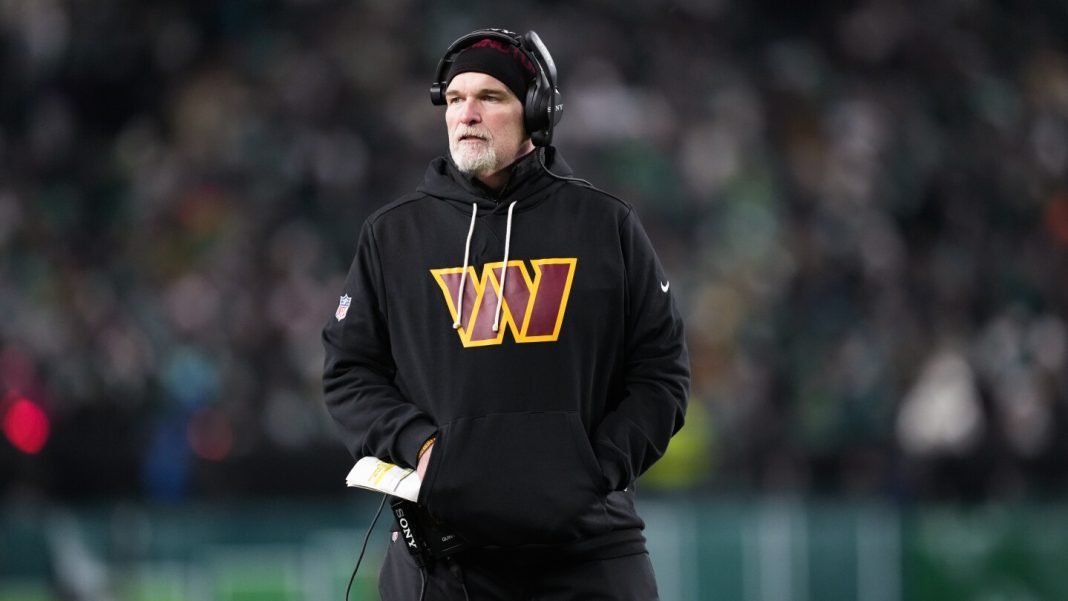
When Washington Commanders head coach Dan Quinn recently pointed out the three empty seats in the press box typically reserved for Washington Post reporters, his observation sparked a quiet but significant conversation. While a seemingly minor detail in the grand scheme of professional football, Quinn’s comment subtly underscored a broader narrative unfolding within sports journalism and the media landscape at large. It’s a moment that prompts us to consider the evolving relationship between professional sports organizations and the local news outlets that traditionally cover them, and what this might mean for fans.
The Observation and Its Immediate Implications
Coaches and players often engage with the press as a routine part of their professional lives, making Quinn’s public acknowledgment of absent reporters particularly noteworthy. For decades, local newspapers like the Washington Post have been the primary chroniclers of their city’s sports teams, providing in-depth daily coverage, analysis, and a critical perspective that often goes beyond what team-controlled media might offer. Their consistent presence in the press box was a given, symbolizing the ongoing commitment to robust, independent reporting.
The absence, therefore, isn’t just about three empty chairs; it suggests a potential shift in how a major news organization is covering its hometown team, or perhaps a broader reevaluation of resource allocation in an ever-changing media environment. It begs the question: What factors could lead to such a visible change in coverage, and what might be the ripple effects for both the team and its dedicated fanbase?
Unpacking the Absence: Potential Factors at Play
Several converging trends in the media industry could contribute to a situation where traditional news outlets reduce their physical presence at games and events. One significant factor is the ongoing economic pressure faced by print journalism. Many newspapers have undergone extensive downsizing, leading to fewer dedicated beat reporters and a need to prioritize coverage strategically. This might mean fewer reporters assigned to a single beat, or a shift to more remote work and digital-first content creation rather than daily in-person attendance at every event.
Another element is the changing nature of news consumption. With the rise of social media, team-owned content platforms, and independent journalists, fans have more diverse avenues than ever to get information. This proliferation of content creators might lead traditional outlets to reconsider the unique value proposition of their daily physical presence. Additionally, the relationship between teams and reporters can sometimes fluctuate, though a lack of physical presence isn’t necessarily indicative of friction. It could simply reflect a strategic decision by the media outlet to cover the team in a different, perhaps more analytical or investigative, manner that doesn’t require constant sideline presence.
As one seasoned sports media observer, Patricia Chen, recently noted, “The physical presence of beat reporters in the press box has long been a barometer of local news investment. When those seats sit empty, it often signals a deeper shift in how news organizations prioritize coverage, or perhaps even how teams themselves are engaging with the press in an evolving digital age.”
The Evolving Landscape of Sports Journalism
Dan Quinn’s observation, while specific to one team and one newspaper, highlights a broader transformation occurring across sports journalism. The traditional model of a dedicated beat reporter attending every practice, game, and press conference is increasingly being challenged. Teams are investing heavily in their own content creation, providing fans with unprecedented access through videos, interviews, and behind-the-scenes glimpses directly from the source. While valuable, this content often lacks the independent scrutiny and critical analysis that traditional journalists provide.
Moreover, the rise of national sports networks and digital platforms has shifted some of the focus away from hyper-local daily coverage towards broader narratives and national talking points. This doesn’t mean local coverage is disappearing, but its form and delivery are undeniably changing. For fans, this evolving landscape means navigating a more fragmented information ecosystem, weighing direct team communication against independent reporting, and perhaps even missing the unique connection forged by a dedicated local reporter who understands the team’s history and community context deeply.
Conclusion
Dan Quinn’s casual remark about a few empty seats serves as a small but resonant bellwether for significant shifts in the world of sports media. It prompts us to consider not just the practicalities of newsroom staffing, but also the enduring value of independent local sports journalism, the changing ways teams communicate, and how fans ultimately receive their information. As the media landscape continues its rapid evolution, the dynamics between sports teams and the press that covers them will undoubtedly continue to be a topic of conversation, with implications for how stories are told and how deeply communities connect with their beloved teams.

