


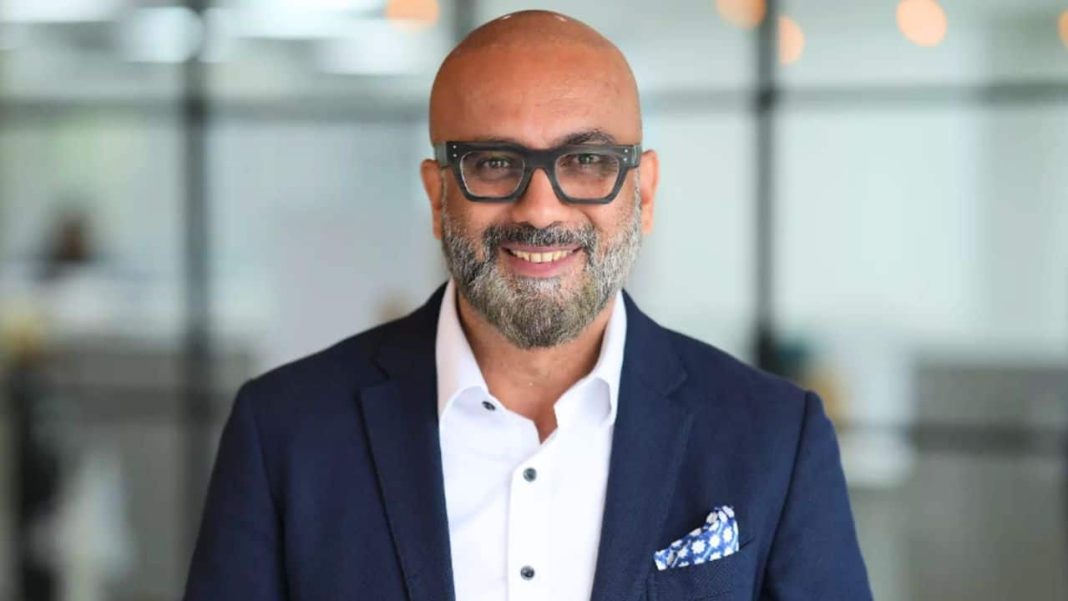
In a recent assessment that underscores the complex interplay of global geopolitics and domestic economic policy, Himanshu Kohli, co-founder of Client Associates, has provided a nuanced outlook for India’s economy. His insights, shared in a “Daily Voice” analysis, highlight potential challenges ranging from persistent inflation to delayed capital expenditure decisions, largely driven by external factors. As India navigates a volatile global landscape, Kohli’s observations serve as a crucial barometer for businesses and policymakers alike, signalling a period of watchful waiting and strategic adaptation.
RBI’s Prudent Path: Anticipating Rate Adjustments in FY27
The Reserve Bank of India (RBI) has consistently demonstrated a commitment to maintaining price stability while fostering economic growth. Kohli’s analysis suggests that this commitment may translate into further monetary tightening in the medium term. He posits that the RBI could raise interest rates by 25 to 50 basis points (bps) in Fiscal Year 2027 if energy-driven inflation continues to be a stubborn challenge. This projection is particularly relevant for an import-dependent economy like India, where global crude oil prices directly impact domestic fuel costs, transportation, and subsequently, a wide array of goods and services.
“Persistent energy-driven inflation poses a significant risk to the RBI’s targets,” Kohli noted. “Given India’s reliance on imported energy, global commodity price volatility can quickly translate into domestic inflationary pressures, compelling the central bank to intervene to anchor expectations.” Such a move, while aimed at curbing inflation, would inevitably increase borrowing costs for businesses and consumers, potentially dampening credit growth and investment appetite. The current repo rate, having been stable for an extended period, reflects a careful balance by the Monetary Policy Committee (MPC). However, external shocks, particularly those impacting global energy markets, could disrupt this equilibrium and necessitate a recalibration of monetary policy to ensure long-term stability.
Geopolitical Tensions and Delayed Capex Decisions
Beyond monetary policy, Kohli’s assessment sheds light on another critical aspect of economic health: capital expenditure (capex). He warns that significant geopolitical uncertainties, specifically citing the potential for an Iran war, could lead to a delay in capex decisions by businesses. Capital expenditure is a cornerstone of economic expansion, driving job creation, technological advancement, and enhancing productive capacity. A slowdown in capex can have ripple effects across the economy, impacting sectors from manufacturing and infrastructure to services.
The Shadow of Geopolitical Risk on Investment
The Middle East, a vital artery for global oil supplies, remains a region prone to geopolitical flux. Any escalation, such as a full-blown conflict involving Iran, would send shockwaves through energy markets, drastically increasing crude oil prices and disrupting global supply chains. For businesses contemplating large-scale investments, such an environment breeds immense uncertainty. Companies become risk-averse, preferring to delay expansion plans until there is greater clarity on input costs, market demand, and overall economic stability. India’s ambitious infrastructure push and ‘Make in India’ initiatives rely heavily on robust private sector capex. Delays in these investments could impede the country’s trajectory towards becoming a global manufacturing hub and a $5 trillion economy.
“The current geopolitical landscape, especially the brewing uncertainty surrounding the Iran war, is making businesses extremely cautious,” Himanshu Kohli emphasized. “No company wants to commit significant capital in an environment where energy prices could surge overnight, or supply chains could be severely disrupted. This wait-and-watch approach is a natural response to elevated global risks.”
This sentiment suggests that while domestic fundamentals might be strong, external shocks possess the power to derail even well-laid plans. Indian companies, increasingly integrated into global value chains, are not immune to the anxieties emanating from distant conflict zones, underscoring the interconnectedness of modern economies.
Navigating the Path Ahead: Resilience and Vigilance
India’s economy has demonstrated remarkable resilience in recent years, weathering global headwinds ranging from the pandemic to supply chain disruptions. However, the dual threats of persistent energy-driven inflation potentially leading to rate hikes, and geopolitical tensions stifling capex, present a formidable challenge. Policymakers will need to maintain a delicate balance, deploying fiscal and monetary tools judiciously, while businesses must adopt agile strategies to adapt to evolving market dynamics. The coming fiscal years will undoubtedly test India’s economic fortitude, demanding continuous vigilance over both domestic indicators and the turbulent global stage.
The insights from experts like Himanshu Kohli serve as essential guidance, enabling stakeholders to anticipate potential scenarios and formulate proactive responses to ensure India’s growth story remains on track amidst a complex global environment.

