


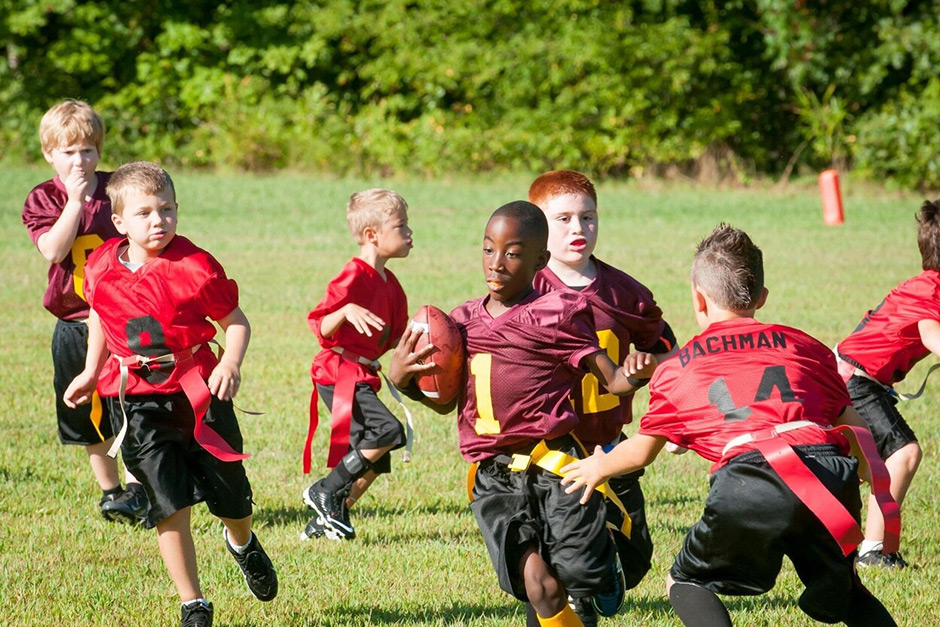
The global COVID-19 pandemic ushered in an unprecedented era of restrictions, reshaping daily life in profound ways. While these measures were crucial for public health, their ripple effects continue to emerge, particularly concerning the younger generation. Beyond the widely discussed impacts on mental health and academic progress, a critical, yet often overlooked, consequence is the global decline in children’s movement skills. For a nation like India, with its diverse socio-economic landscape and dense populations, understanding this link is vital for safeguarding the future well-being of its children.
The Silent Toll: A Global Trend Reflected in India
Recent international studies have highlighted a concerning trend: children worldwide are exhibiting poorer motor skills, balance, and coordination compared to their pre-pandemic counterparts. This decline encompasses both gross motor skills – like running, jumping, and throwing – and fine motor skills, essential for tasks such as writing and manipulating small objects. The primary culprit identified is the significant reduction in opportunities for unstructured play and formal physical activity due to prolonged lockdowns and social distancing norms.
In India, the scenario was particularly challenging. Schools, a primary venue for structured physical education and playtime, remained shut for extended periods. Playgrounds, often the only accessible open spaces for many urban and semi-urban children, were cordoned off. The closure of sports academies and community centres further limited options, leaving millions of children confined to their homes. For those in densely populated cities, this often meant being restricted to small apartments with minimal space for active movement. The shift to remote learning also meant hours spent sedentary in front of screens, further exacerbating the problem. This unprecedented sedentary lifestyle, coupled with reduced outdoor exposure, has directly contributed to a noticeable dip in physical literacy among Indian children, setting potential groundwork for long-term health issues like childhood obesity and non-communicable diseases.
Understanding the Mechanisms: How Restrictions Affected Development
The link between COVID-19 restrictions and declining movement skills is multifaceted. At its core, motor skill development is heavily reliant on consistent practice and varied sensory experiences. When children are denied these opportunities, their physical capabilities suffer. During the pandemic, several key mechanisms were at play:
Restricted Outdoor Play: Lockdowns severely curtailed outdoor activities, which are crucial for developing balance, agility, and spatial awareness. Indian children, especially those in urban areas, often rely on communal parks and open grounds, which were largely inaccessible.
Lack of Formal Physical Education: Online schooling rarely replicated the benefits of in-person PE classes, sports, and recess. Many schools struggled to adapt physical activity into digital formats, leaving children without structured exercise or professional guidance.
Increased Screen Time: The pandemic led to an explosion in screen time, not just for academics but also for entertainment. While screens offer digital engagement, they inherently promote a sedentary lifestyle, replacing active play with passive consumption.
Parental Hesitancy: Even as restrictions eased, many parents remained cautious about sending children out, fearing infection. This understandable concern, while protective in one aspect, inadvertently limited children’s physical exploration and social interaction through play.
“The physical development of our children is not just about avoiding obesity; it’s about foundational skills for life. We must actively reverse the sedentary trends entrenched during the pandemic,” states Dr. Kavita Singh, a leading paediatrician and child development specialist in Bengaluru. “Every jump, run, and throw builds neural pathways and muscle memory essential for cognitive function and overall well-being.”
Paving the Way Forward: Rebuilding Physical Literacy in India
Addressing this challenge requires a concerted effort from parents, educators, communities, and policymakers. Reversing the decline in movement skills is not merely about compensating for lost time but about integrating physical activity sustainably into children’s lives.
Schools have a pivotal role in re-prioritising robust physical education programs, ensuring ample recess time, and encouraging extracurricular sports. Innovative approaches can include integrating movement into academic lessons or creating safe, supervised indoor play zones for inclement weather. Parents can actively foster an environment that encourages physical activity by setting reasonable screen time limits, promoting active games at home, and exploring safe outdoor spaces. Community parks and public playgrounds need to be not just reopened but also well-maintained and made accessible to all children, regardless of their socio-economic background.
Furthermore, there’s an opportunity for community initiatives to host local sports events, play groups, and workshops focused on motor skill development. Government bodies can support these efforts through funding, awareness campaigns, and policy frameworks that emphasise the importance of physical literacy as a fundamental right for children. By recognising the profound impact of the pandemic on children’s physical development, India can strategise effectively to ensure its next generation grows up not just academically proficient, but also physically capable and resilient.
The pandemic presented unprecedented challenges, but it also highlighted the critical importance of holistic child development. As we emerge into a post-pandemic world, nurturing children’s physical health and movement skills must be at the forefront of our collective efforts, ensuring a healthier, more active future for Bharat’s youngest citizens.

