


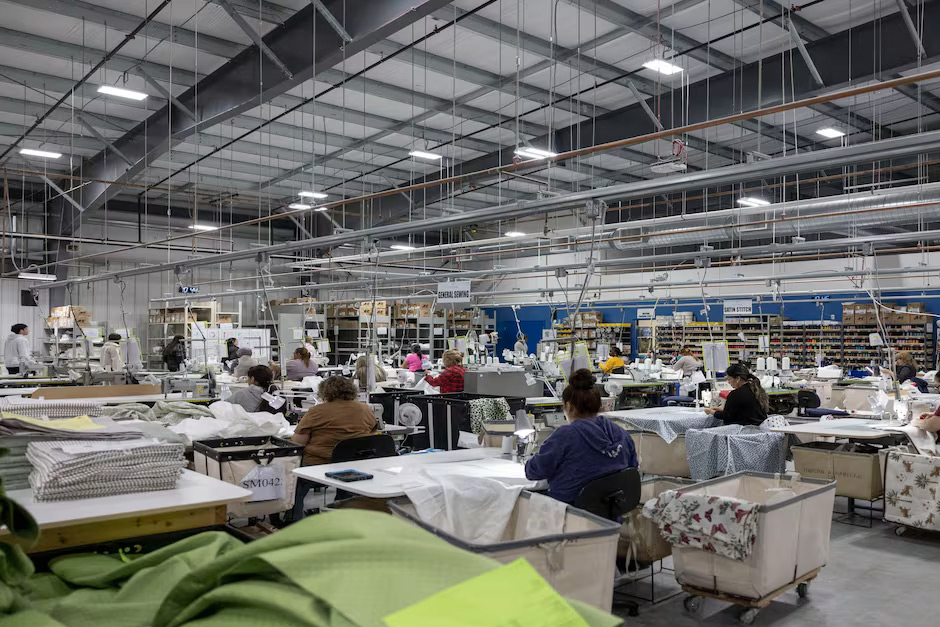
Manufacturing has long conjured images of bustling factory floors, heavy machinery, and perhaps a touch of industrial grit. Meanwhile, Gen Z is often envisioned glued to screens, navigating digital realms, and pioneering the next big tech trend. The two seem like disparate worlds, yet a fascinating convergence is taking shape, particularly in places like Fall River, Massachusetts, which is making a bold bet: Gen Z isn’t just a consumer of tech, but a potential architect of manufacturing’s future.
The Evolving Face of the Factory Floor
Forget the assembly lines of yesteryear. Modern manufacturing is undergoing a profound transformation, becoming increasingly sophisticated, automated, and data-driven. We’re talking about robotics, artificial intelligence, augmented reality for maintenance, and the Internet of Things (IoT) optimizing supply chains. These aren’t dusty, monotonous jobs; they are roles demanding digital literacy, critical thinking, problem-solving, and adaptability.
This is where Gen Z, often called digital natives, enters the picture. Their inherent comfort with technology, quick learning curve for new software, and intuitive grasp of interconnected systems make them uniquely suited for this high-tech manufacturing environment. Fall River, with its rich textile history, understands the need to pivot. Once a powerhouse of traditional industry, it’s now investing in advanced manufacturing, actively seeking to align its workforce needs with the capabilities of this younger generation.
Bridging Perception Gaps and Building Pathways
The primary challenge isn’t Gen Z’s capability, but rather the lingering perception of manufacturing itself. Many young people still associate it with manual labor and limited career growth, a stark contrast to the dynamic, tech-centric careers they often aspire to. Fall River is directly confronting this image problem by highlighting the new reality.
Local initiatives, often in partnership with schools and community colleges, are showcasing clean, modern facilities where innovation thrives. They emphasize competitive wages, benefits, and clear pathways for advancement into engineering, data analytics, and management roles. It’s about rebranding manufacturing as a sector ripe with opportunity for those who want to build, innovate, and contribute tangibly to the economy.
“We’re not just training them for a job, we’re showing them a career where their digital fluency is an asset, not a distraction,” notes one vocational school director involved in Fall River’s reskilling programs. “When they see robots and data dashboards, they realize this isn’t their grandparent’s factory; it’s a place where their tech skills are essential.” This shift in narrative is crucial for attracting a generation that values purpose and impact alongside competitive compensation.
Investing in a Future-Ready Workforce
For Gen Z to truly become manufacturing’s future, communities like Fall River must continue to invest heavily in education, training, and strategic partnerships. This includes robust vocational programs, apprenticeships that combine on-the-job training with classroom learning, and strong collaborations between industry leaders and educational institutions to ensure curricula are aligned with current and future job demands. Offering opportunities for certifications in robotics, CAD/CAM, and data science can make these careers even more appealing.
The potential payoff is immense. For Gen Z, it’s a chance to find meaningful, high-tech work in a sector that desperately needs their skills. For manufacturing, it’s the injection of fresh perspectives and digital prowess needed to stay competitive on a global stage. And for communities like Fall River, it represents economic revitalization and a sustainable path forward, proving that tradition and innovation can indeed forge a powerful future together.
The journey isn’t without its hurdles, but the proactive approach taken by places like Fall River suggests that the manufacturing floor of tomorrow might just be teeming with the bright, digitally astute minds of Gen Z.

