


Quick Summary
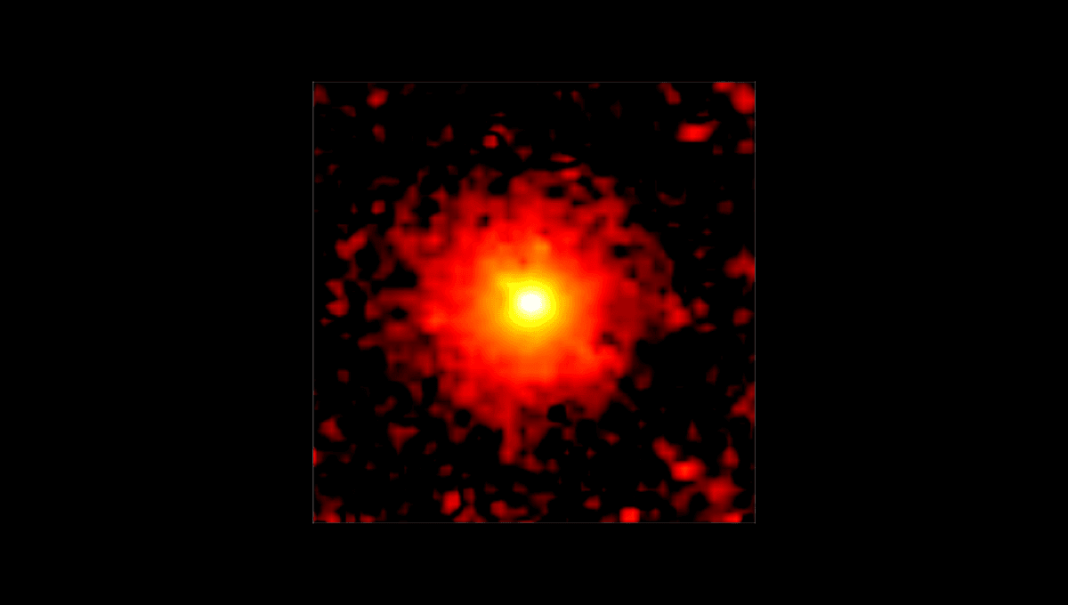
Comet C/2023 A3 (ATLAS) has dramatically changed its activity after its closest approach to the Sun (perihelion), exhibiting a massive release of organic molecules. This unexpected behavior challenges conventional understanding of cometary evolution.
What Happened
Following its perihelion passage, Comet ATLAS surprised astronomers by transitioning from a relatively quiet state to an exceptionally active one. Observations confirmed it ejected a vast amount of complex organic compounds, a significant departure from typical cometary outbursts. This suggests dynamic and complex chemical processes occurring within the comet’s icy nucleus.
“This unexpected surge in organic material offers a tantalizing glimpse into the raw ingredients of our early solar system,” said Dr. Lena Khan, a planetary scientist.
Why It Matters
The discovery of such a substantial release of organic molecules from Comet ATLAS is crucial for understanding the composition of comets and their potential role in delivering vital building blocks for life to early planets. It also prompts a re-evaluation of current models of cometary activity and their interactions with solar radiation.
Bottom Line
Astronomers will continue to scrutinize Comet ATLAS, hoping to unlock the secrets behind its extraordinary transformation and its profound implications for astrobiology and the origins of life.

