


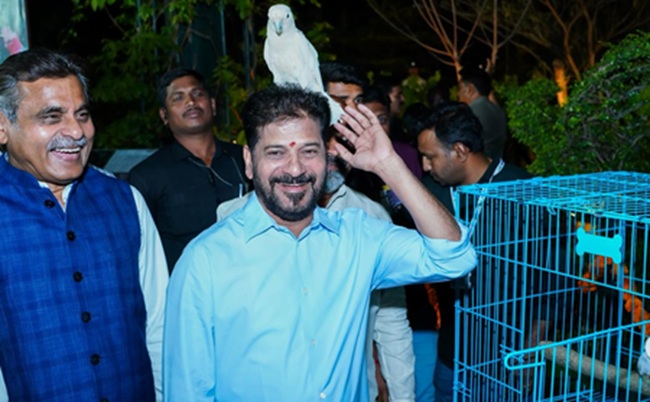
Hyderabad, a city steeped in history and renowned for its vibrant culture, stands on the cusp of a significant urban transformation. At the heart of this proposed metamorphosis is the Musi River, once the very lifeline of the Qutb Shahi and Asaf Jahi dynasties, now largely a neglected waterway. In a move signaling an ambitious vision for the city’s future, Telangana Chief Minister Revanth Reddy has unveiled plans to revitalize the Musi, transforming its banks into a bustling night-tourism destination. This initiative aims to reclaim the river’s former glory, integrating it into Hyderabad’s contemporary identity as a modern, dynamic metropolis.
A Vision for Musi’s Transformation
CM Revanth Reddy’s government is spearheading a comprehensive Musi Riverfront Development Project, envisioning a multi-faceted approach to urban rejuvenation. The core idea is to create an aesthetically pleasing and functionally rich riverfront, complete with promenades, cultural spaces, leisure zones, and illuminated stretches specifically designed to cater to night-time visitors. The inspiration for this grand project draws from successful riverfront developments across India, such as the Sabarmati Riverfront in Ahmedabad and the Krishna Riverfront in Vijayawada, which have effectively repurposed urban waterways into vibrant public assets.
The proposed plan extends beyond mere beautification. It encompasses the establishment of various recreational facilities, including cycling tracks, walking paths, food courts showcasing Telangana’s rich culinary heritage, and dedicated areas for cultural performances and art installations. The goal is to make the Musi River not just a backdrop, but an active participant in Hyderabad’s social and cultural life. By encouraging nocturnal activities, the project seeks to extend the city’s economic vitality into the evening hours, creating new opportunities for local businesses and fostering a safe, lively urban environment.
Addressing Challenges and Charting a Sustainable Path
The road to reclaiming the Musi is fraught with significant environmental and logistical challenges. Decades of neglect have rendered parts of the river heavily polluted, primarily due to the discharge of untreated sewage and industrial effluents. Furthermore, encroachments along its banks pose a considerable hurdle to development. The Chief Minister’s plan acknowledges these realities, emphasizing that the development of night-tourism facilities must be preceded by robust environmental remediation.
Key to the project’s success will be the establishment of state-of-the-art sewage treatment plants (STPs) and comprehensive waste management systems to ensure the river’s water quality meets ecological standards. Alongside environmental cleanup, the government faces the delicate task of rehabilitating communities currently residing in encroached areas, ensuring a humane and just transition. This multi-pronged approach requires substantial investment, meticulous planning, and collaboration across various government departments, urban planning bodies, and environmental agencies.
The Chief Minister’s emphasis on transforming the Musi into a cultural and recreational hub underscores a commitment that transcends mere infrastructure development. “Our vision is not just to clean the Musi, but to transform it into a vibrant cultural and recreational hub that will enhance Hyderabad’s appeal on the global stage, providing both economic opportunities and a renewed sense of pride for our citizens,” CM Revanth Reddy reportedly stated, highlighting the dual objectives of environmental restoration and socio-economic upliftment.
Economic Impact and Community Engagement
The successful implementation of the Musi night-tourism project holds immense potential for Hyderabad’s economy. The creation of new recreational spaces is expected to boost local tourism, drawing visitors from across the country and potentially internationally. This influx could generate significant revenue, stimulate growth for hospitality sectors, local vendors, and service providers, and create numerous direct and indirect employment opportunities for the local populace. Moreover, a revitalized riverfront could significantly enhance property values in adjacent areas, attracting further investment.
Beyond the economic benefits, the project aims to foster a stronger sense of community ownership and pride. By providing easily accessible public spaces for leisure and cultural engagement, the Musi Riverfront could become a central gathering place for Hyderabadis, strengthening social bonds and promoting a healthier urban lifestyle. Engaging local communities in the planning and execution phases, particularly in maintaining the cleanliness and vibrancy of the new spaces, will be crucial for the long-term sustainability and success of this ambitious initiative.
CM Revanth Reddy’s vision for night-tourism along the Musi River represents a bold step towards reclaiming a significant historical asset for modern Hyderabad. While the challenges of environmental remediation and urban planning are considerable, the potential rewards – a cleaner river, a vibrant public space, and a boosted economy – make this an initiative worth watching. The transformation of the Musi could redefine Hyderabad’s urban landscape, seamlessly blending its rich past with a dynamic, sustainable future.

