


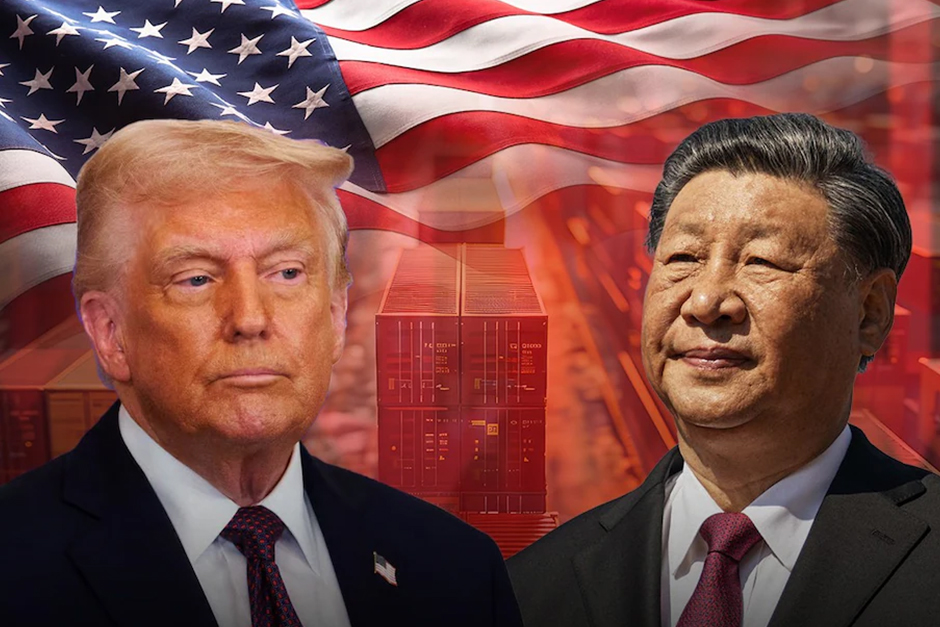
In an unprecedented move that has sent ripples across global intelligence communities and ignited a furious response from Beijing, the United States Central Intelligence Agency (CIA) has overtly intensified its long-standing rivalry with China. The agency recently released a video online, reportedly appealing directly to potential Chinese military personnel – members of the People’s Liberation Army (PLA) – to share classified information. This digital overture, a stark departure from traditional covert espionage tactics, has been interpreted as an attempt to sow discord and gather intelligence, prompting China to vehemently condemn the action and escalate its own counter-espionage measures. For India, a nation closely monitoring Indo-Pacific dynamics, this development underscores the growing complexities of information warfare and strategic competition.
The CIA’s Digital Overture and Beijing’s Fury
The controversial video, disseminated via social media (often via VPNs) to Chinese audiences, is a carefully crafted psychological operation. It features narratives designed to appeal to individuals within the PLA who might feel disillusioned with the Chinese Communist Party (CCP) but remain patriotic. The appeal highlights themes of personal integrity, duty to country over party, and the moral imperative to prevent harm, suggesting a sympathetic and safe channel with US intelligence for those with concerns about CCP policies.
Beijing’s reaction was swift and unequivocally hostile. Chinese state media and official spokespersons have lambasted the CIA’s video as a blatant act of aggression and an open call for treason. The Ministry of State Security (MSS) has warned its citizens, particularly those with access to sensitive information, against foreign infiltration. This comes against a backdrop of heightened counter-espionage efforts by China, including recent revisions to its anti-espionage laws and public detailing of several alleged spying cases. Beijing perceives the move as a direct attack on the cohesion and loyalty of its armed forces, a critical pillar of CCP rule.
A New Front in the US-China Espionage Game?
While espionage between major global powers is hardly new, the public nature of the CIA’s current recruitment drive marks a significant strategic shift. Historically, intelligence agencies operated in the shadows. This overt appeal, leveraging digital platforms, suggests a willingness to operate in a grey zone, blurring the lines between information warfare, propaganda, and traditional human intelligence (HUMINT) gathering.
Intelligence analysts are divided on the efficacy and long-term implications. While potentially reaching a wider, more disaffected, PLA audience, it carries substantial risks. It could provoke a more intense crackdown on perceived dissent within China, lead to increased surveillance, and make genuine covert operations even harder. Moreover, it solidifies Beijing’s narrative of being under siege from hostile foreign forces, potentially galvanizing nationalist sentiment and bolstering support for the CCP.
“This public appeal represents a calculated gamble by the CIA,” notes Dr. Arjun Singh, a senior fellow specializing in strategic affairs at the Delhi Policy Group. “It moves beyond traditional intelligence gathering to a more open form of psychological warfare, aiming to exploit internal fissures within China. Its primary objective could be to sow mistrust and paranoia within the PLA, forcing Beijing to divert resources towards internal vigilance rather than external projection.” The effectiveness against China’s sophisticated state security apparatus remains to be seen, but the intent to destabilize is clear.
India’s Strategic Lens on the Information War
For India, navigating its own complex and often tense relationship with China, this development offers critical insights. New Delhi has long grappled with Chinese assertiveness along its disputed border (the Line of Actual Control) and Beijing’s growing influence in the Indo-Pacific. The unfolding US-China information war, now playing out publicly, underscores the evolving nature of modern geopolitical competition, where traditional military might is increasingly complemented by cyber capabilities, economic leverage, and psychological operations.
India will closely observe how China responds internally and what implications it holds for regional stability. Heightened paranoia within Chinese military ranks could lead to unpredictable behaviour, while broader US-China tensions directly impact India’s strategic calculations, particularly concerning its security alliances and economic partnerships. New Delhi is also no stranger to state-sponsored disinformation and espionage, making the tactics employed by Washington and Beijing subjects of intense study for its own national security establishment.
The incident starkly reminds us of intelligence operations’ global interconnectedness and the blurring lines between overt communication and covert influence in the digital age. As the rivalry between the world’s two largest economies intensifies, the battle for hearts and minds, even within military establishments, is set to become an increasingly prominent feature of international relations. The CIA’s video appeal is more than a recruitment drive; it’s a strategic message signaling a bolder, more unconventional approach to intelligence gathering against a primary adversary. How Beijing counters this gambit, and the long-term impact on the PLA’s internal dynamics, will be critical developments to watch.

