


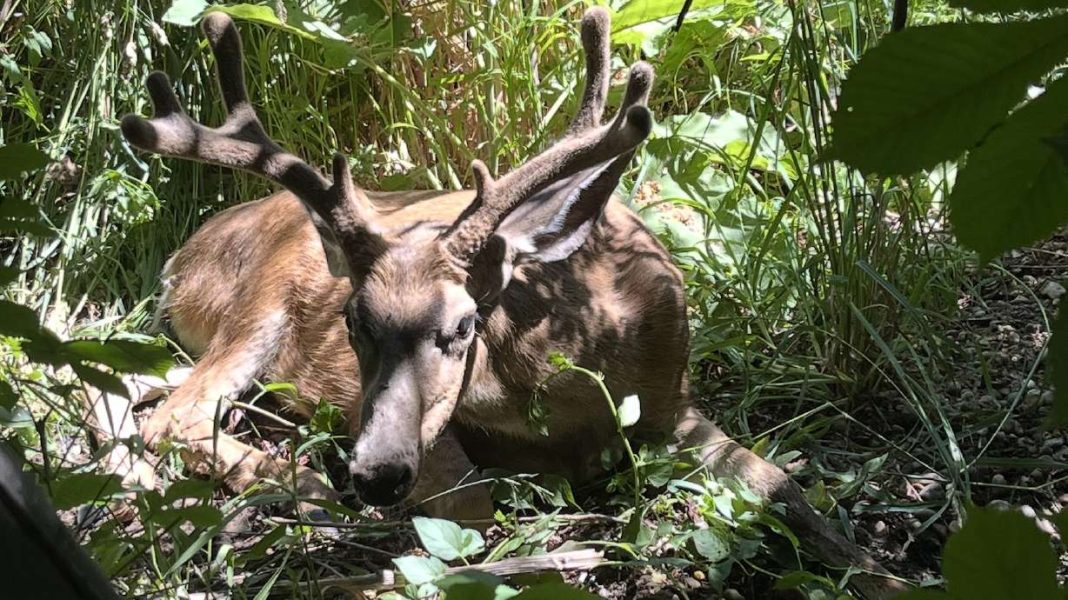
Chronic Wasting Disease (CWD) is a neurological condition affecting deer, elk, and moose, known collectively as cervids. While not new to the wildlife landscape, observations suggest that CWD is now appearing in a broader range of locations where Utah’s deer populations roam. This trend presents evolving considerations for wildlife management, conservation efforts, and the public.
Understanding Chronic Wasting Disease
CWD belongs to a group of diseases called transmissible spongiform encephalopathies (TSEs), similar to “mad cow disease” in cattle. It is caused by misfolded proteins called prions, which accumulate in the brain and other tissues, leading to progressive neurological deterioration. Symptoms in affected animals typically include significant weight loss (wasting), behavioral changes like listlessness or hyperactivity, excessive drooling, stumbling, and tremors. The disease is always fatal, and there is currently no known treatment or vaccine.
The transmission of CWD primarily occurs through direct animal-to-animal contact or indirectly through environmental contamination. Prions can be shed by infected cervids through saliva, urine, feces, and decomposing carcasses, lingering in the soil and plants for extended periods. This environmental persistence makes containing the disease particularly challenging, as even areas no longer inhabited by infected animals can remain infectious to new populations.
The Expanding Footprint in Utah’s Deer Herds
For several years, CWD has been a recognized concern in specific regions of Utah. However, recent surveillance and testing efforts indicate that the geographical spread of the disease within the state’s deer populations is expanding. This means that areas previously thought to be unaffected are now showing evidence of CWD presence, prompting heightened vigilance from wildlife authorities and local communities.
The identification of CWD in new areas is often the result of comprehensive testing of hunter-harvested animals and targeted surveillance of deer showing clinical signs. This expansion poses a significant challenge for wildlife managers, who must adapt their strategies to monitor, mitigate, and inform the public about the disease’s evolving presence. “The key isn’t just detecting CWD, but understanding its movement,” explains one wildlife biologist. “When we see it in new management units, it signals a need to re-evaluate our long-term strategies and emphasize proactive measures.”
Community Involvement and Mitigation Efforts
Addressing the expanding presence of CWD in Utah’s deer requires a collaborative approach. State wildlife agencies are intensifying their monitoring programs, which include collecting samples from harvested deer for CWD testing and responding to reports of sick animals. These efforts help map the disease’s distribution and inform management decisions.
Hunters play a crucial role in these mitigation efforts. They are encouraged to familiarize themselves with CWD symptoms, follow safe carcass handling guidelines, and participate in voluntary or mandatory testing programs in designated areas. Proper disposal of deer carcasses in landfills is also vital to prevent environmental contamination. While CWD has not been shown to be transmissible to humans, health organizations recommend against consuming meat from infected animals as a precautionary measure. By staying informed and adhering to established guidelines, individuals contribute to the ongoing health and sustainability of Utah’s cherished deer populations.
The continued spread of Chronic Wasting Disease in Utah deer highlights an ongoing challenge for wildlife conservation. Through sustained monitoring, research, and public cooperation, wildlife agencies aim to manage the disease effectively and preserve the health of the state’s natural heritage for future generations.

