


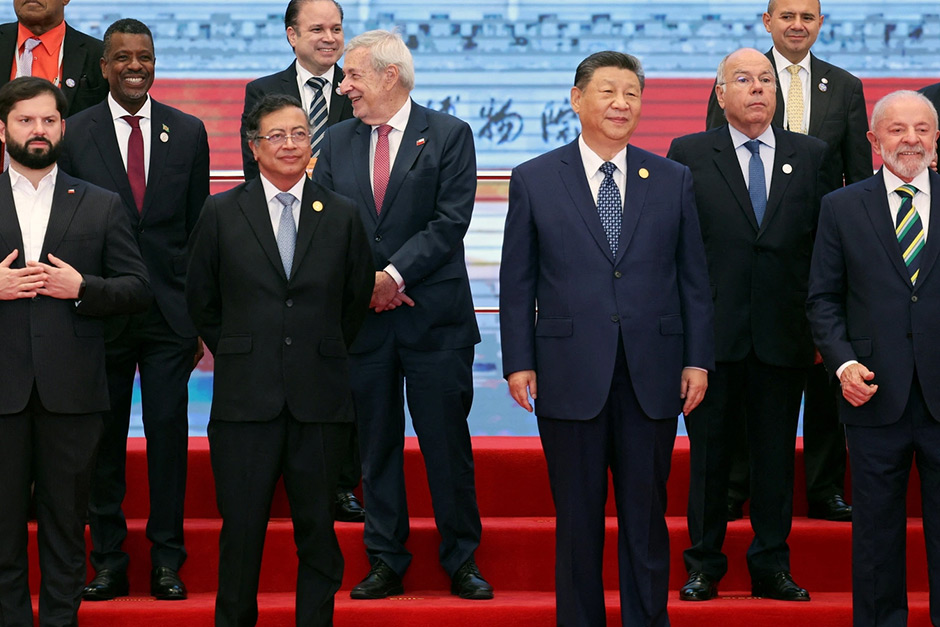
For generations, the narrative around Latin America has been inextricably linked to the United States. The region was often seen through the lens of Washington’s foreign policy, a sphere of influence where American economic and political interests held significant sway. But a powerful new chapter is being written, one where China is not just a player, but a force actively digging in its heels, challenging long-held assumptions and redrawing geopolitical lines in what was once considered the U.S.’s unquestioned backyard.
This isn’t merely about trade; it’s a profound strategic pivot that signals China’s intent to establish a durable, expansive presence. As Beijing asserts its economic and diplomatic might across the continent, it inevitably brings it into a more direct, and at times confrontational, posture with the United States. The implications for global power dynamics, and for the nations of Latin America themselves, are far-reaching and complex.
The Economic Engine: Investment and Influence
China’s approach to Latin America is primarily driven by an aggressive economic strategy. Beijing has poured billions into the region, funding infrastructure projects that range from modernizing ports and building railways to constructing energy plants and even space tracking stations. These investments are often packaged with significant loans and technical expertise, offering developing nations a seemingly attractive alternative to traditional Western financing, which often comes with more stringent conditions related to governance and environmental standards.
The allure for Latin American countries is palpable. Many are resource-rich, holding vast reserves of minerals, agricultural products, and energy. China, with its insatiable demand for raw materials to fuel its manufacturing sector and feed its population, finds a perfect partner. In return, Latin American markets become fertile ground for Chinese manufactured goods and technology. This economic partnership isn’t just about resource extraction; it’s about creating deep, intertwined dependencies. As one regional analyst put it, “When China comes offering to build a port or a high-speed rail line, and they bring the capital and the expertise without a long list of conditions, it’s a very compelling offer for countries hungry for development.” This pragmatic appeal allows China to cultivate loyalty and influence, steadily embedding itself into the fabric of these economies.
Shifting Sands: Geopolitics and Sovereignty
Beyond the spreadsheets and infrastructure deals, China’s deepening presence carries significant geopolitical weight. Its “no strings attached” philosophy, while often criticized by Western nations for potentially enabling corruption or unsustainable debt, resonates with many Latin American leaders keen to assert greater sovereignty and reduce reliance on any single superpower. For countries that have historically felt overlooked or dictated to, the emergence of a powerful alternative global partner offers a tantalizing new lever in international relations.
This engagement is not limited to economics; it extends to diplomatic and even security cooperation, albeit on a smaller scale. Beijing is enhancing its soft power through cultural exchanges, educational programs, and growing diplomatic missions. The cumulative effect is a steady erosion of the U.S.’s long-held hegemony in a region it has historically viewed as its strategic backyard. For China, success in Latin America means demonstrating its capacity to operate as a global power, shaping a more multipolar world order where its influence rivals, or even surpasses, that of the United States. This assertive stance reflects a strategic determination to diversify its alliances and secure its global supply chains and diplomatic leverage, signaling that Beijing is firmly dug in for the long haul.
The unfolding dynamic in Latin America is more than just a competition for resources or market share; it’s a significant indicator of a changing global order. China’s steadfast commitment to expanding its footprint reflects a broader geopolitical ambition, challenging the status quo and compelling both the U.S. and the nations of Latin America to adapt to a profoundly altered landscape. How this competition evolves will undoubtedly shape the future of the region and redefine international power balances for decades to come.

