


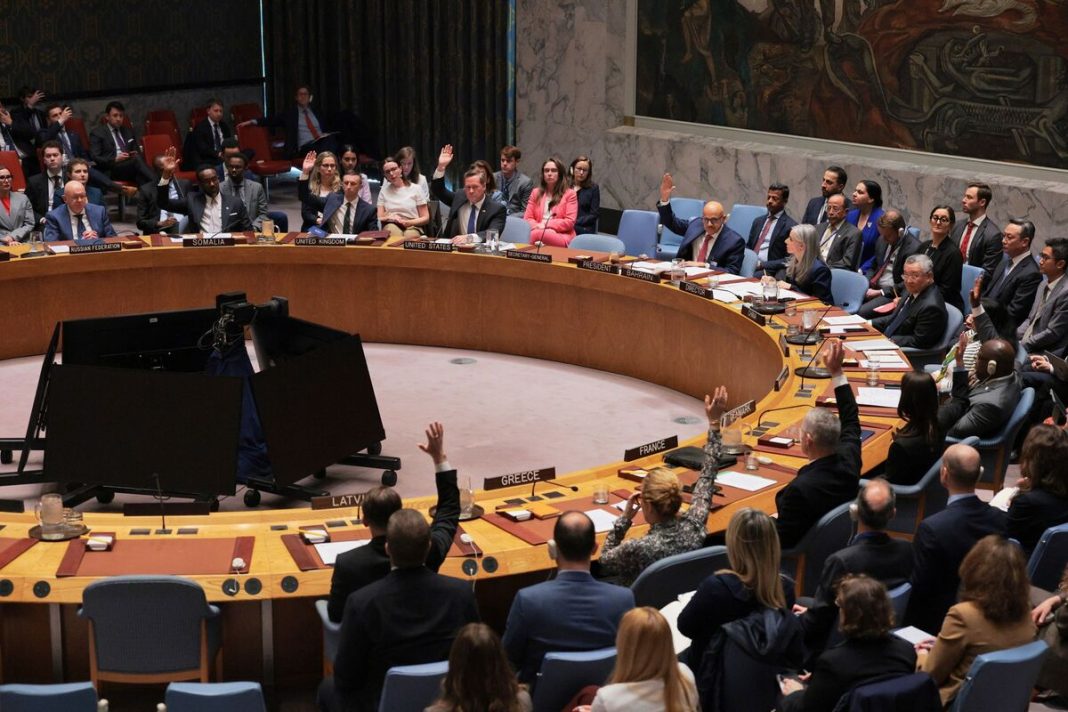
The Strait of Hormuz. Even the name conjures images of ancient trade routes and modern geopolitical chess. It’s a narrow choke point, an indispensable artery for global energy, where the waters are often as turbulent as the political currents swirling above them. Recently, the world watched as a crucial proposal aimed at safeguarding stability in this vital waterway at the UN Security Council was blocked, not by a single nation, but by the combined diplomatic weight of China and Russia. This move isn’t just another item on a diplomatic agenda; it’s a powerful signal echoing across the globe, challenging the established order and raising questions about the future of international cooperation.
The Indispensable Artery of Global Trade
Imagine a tiny bottleneck through which nearly a third of the world’s seaborne oil passes every single day. That’s the Strait of Hormuz. Connecting the Persian Gulf to the open ocean, it’s a maritime highway for crude oil and liquefied natural gas, essential for fueling economies from Tokyo to London. When tensions flare here, global markets brace themselves, and the ripple effects can be felt in gas prices at the pump or the cost of goods shipped across continents. Ensuring its secure passage isn’t merely a regional concern; it’s a universal imperative for global economic stability and energy security.
Given its critical importance, proposals aimed at de-escalation and ensuring safe passage in the strait are usually met with broad international support. The recent Security Council resolution sought to reinforce international navigation rights and call for calm. However, its ultimate fate hinged on a consensus that simply wasn’t there.
A Veto, a Statement, and Shifting Sands
When China and Russia exercised their veto power, they weren’t just saying ‘no’ to a resolution; they were sending a clear message about their vision for international relations and the limits of Western-led initiatives. Their action can be seen through several lenses. For some, it’s a principled stand against what they perceive as external interference in regional affairs or a challenge to a narrative often dominated by Western powers. For others, it’s a calculated move to protect strategic interests, support allies, or demonstrate a united front against perceived hegemonic ambitions.
As one seasoned observer of international affairs put it, “This isn’t just about one waterway; it’s a stark reminder of the evolving power dynamics at play. Nations are increasingly asserting their sovereign interests, even when it means challenging established norms and the consensus-building efforts of global bodies.” This move underscores a growing divergence in how major global players view international security and the role of multilateral institutions.
What This Means for the Global Stage
The blocking of this proposal has significant implications beyond the immediate issue of the Strait of Hormuz. It highlights the challenges facing the UN Security Council, an institution designed for collective security that often finds its most critical decisions stymied by the permanent members’ differing geopolitical agendas. It suggests a future where consensus is harder to achieve, potentially leading to a more fragmented international response to crises.
For individuals, the direct impact might not be immediately felt, but the underlying message of increased global friction could lead to greater market volatility, impacting everything from fuel costs to the stability of investment. It underscores the ongoing recalibration of power on the world stage, urging us to look beyond simplistic narratives and understand the complex web of interests that drive global decision-making. As the tides continue to shift, the world watches to see how this crucial diplomatic impasse will shape the waters of international relations moving forward.

