


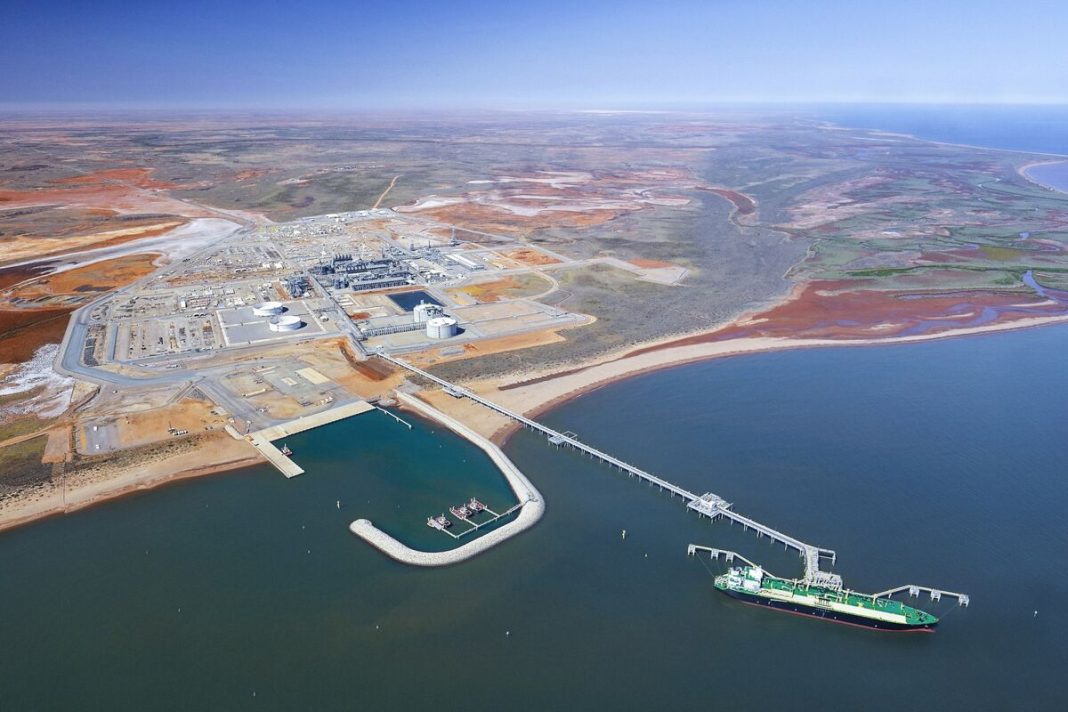
Just when the global energy market was bracing for Chevron’s Wheatstone gas plant to ramp up production again after a period of maintenance, a fresh curveball has been thrown. The company recently announced that unexpected damage, discovered during the restart process, will impact the timeline for its full return. This isn’t just a minor hiccup; for a facility of Wheatstone’s magnitude, these delays carry significant implications, resonating far beyond the plant’s West Australian shores.
The Wheatstone Woes and Market Ripples
Wheatstone is a behemoth, a critical component of Australia’s liquefied natural gas (LNG) export powerhouse, and a vital supplier to energy-hungry markets, particularly across Asia. Its initial shutdown for repairs and maintenance was already a closely watched event, given the persistent tightness in global energy supplies. The expectation was a methodical but steady return to full capacity, helping to stabilize a market often characterized by volatility.
Now, the discovery of damage during the sensitive restart procedure introduces a new layer of uncertainty. This isn’t merely about flipping a switch; restarting complex industrial plants requires meticulous checks and balances. Finding unexpected damage at this stage suggests either a deeper underlying issue or a consequence of the shutdown itself, demanding further investigation and repairs before operations can safely resume. “This kind of unexpected setback, especially at a facility as significant as Wheatstone, sends ripples through the entire LNG market. Buyers who were counting on that supply will now be scrambling, potentially facing higher spot prices or needing to seek alternative, more expensive sources,” notes an energy market analyst specializing in Asian demand.
The immediate consequence is a prolonged absence of a significant volume of LNG from the market, which can contribute to upward price pressure and heightened anxiety for importing nations striving to secure their energy needs.
Beyond the Pipes: Operational Reliability and Investor Confidence
For Chevron, this development goes beyond the logistical challenge of fixing pipes and machinery. It touches upon the crucial aspects of operational reliability and investor confidence. Major energy projects are scrutinised for their ability to deliver on schedule and budget. Repeated or unexpected delays, especially those stemming from operational integrity, can begin to erode trust.
Investors look for predictability and competence in managing complex assets. While unforeseen circumstances can always arise, a sequence of maintenance issues followed by the discovery of new damage during a restart raises questions about asset health, maintenance protocols, or the execution of shutdown procedures. It’s a delicate balance for any energy major: ensuring safety and operational integrity while simultaneously meeting market expectations for supply. The longer Wheatstone remains below full capacity, the more critical these questions become for Chevron’s reputation and its stakeholders.
Conclusion
Chevron’s Wheatstone plant faces a clear and present challenge. The immediate focus will undoubtedly be on diagnosing the newly discovered damage and executing repairs safely and efficiently. However, the broader implications—for global energy markets, particularly for Asian buyers, and for Chevron’s narrative of operational excellence—are equally significant. In an energy landscape still recovering from multiple shocks, every major production facility’s operational status is under a microscope. Wheatstone’s delayed full return serves as a potent reminder of the inherent complexities and vulnerabilities within the global energy supply chain.

