


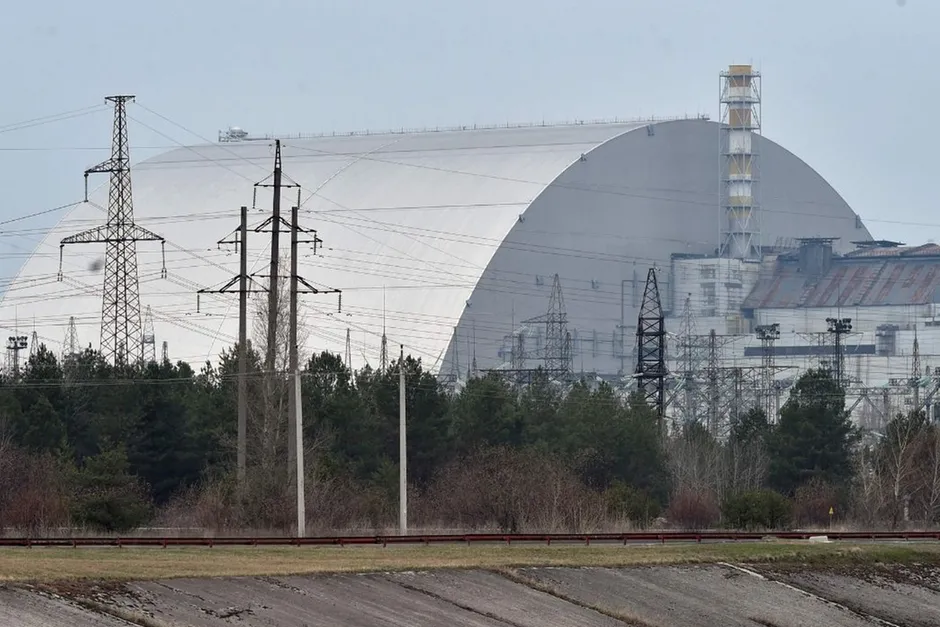
Chernobyl, a name synonymous with nuclear catastrophe, has once again become a focal point of international concern. Decades after the devastating 1986 meltdown, the site’s crucial protective infrastructure, specifically the New Safe Confinement (NSC) – a colossal arch designed to contain residual radiation – has reportedly suffered damage. Ukraine has directly attributed this degradation to Russia’s occupation of the facility, alleging a significant loss of confinement capability and raising alarms about the potential for wider environmental fallout. For a nation like India, deeply invested in nuclear energy and global safety protocols, this development underscores the fragility of critical infrastructure in conflict zones and the paramount importance of adherence to international nuclear safety standards.
The Shielding of Chernobyl: A Legacy of Containment
The 1986 explosion at Chernobyl’s Reactor No. 4 created a highly radioactive wasteland, necessitating an immediate, albeit temporary, solution: the original “sarcophagus.” This hastily constructed concrete and steel structure was designed to encapsulate the destroyed reactor and prevent further release of radioactive material. However, its structural integrity was always a concern, leading to an ambitious international project: the New Safe Confinement (NSC).
Completed in 2018 after years of effort and billions of dollars in funding from over 40 countries, including significant contributions from Europe and the US, the NSC is an engineering marvel. This massive, movable arch was designed to cover the original sarcophagus, providing a secure, leak-proof enclosure for at least 100 years. Its primary functions include preventing the escape of radioactive contaminants, protecting the existing structure from external impacts, and facilitating the dismantling of the old sarcophagus and the highly radioactive reactor core within. The NSC was a beacon of international cooperation, symbolizing a shared global commitment to mitigating one of humanity’s greatest technological disasters.
Ukraine’s Allegations: Damage and Lost Confinement Capability
The current crisis stems from the Russian invasion of Ukraine in February 2022. Russian forces occupied the Chernobyl exclusion zone for over a month, reportedly disrupting operations and security protocols at the site. Following their withdrawal in late March 2022, Ukrainian officials began assessing the damage and the profound impact on the facility’s safety systems.
Ukrainian authorities, including the State Nuclear Regulatory Inspectorate of Ukraine (SNRIU) and the state-run nuclear energy company Energoatom, have since reported that critical monitoring systems within the NSC were damaged or made inoperable during the occupation. This includes sensors designed to detect radiation levels, structural integrity, and ventilation systems essential for maintaining a stable environment within the confinement. Furthermore, they claim that Russian military actions, including movement of heavy machinery and digging trenches in highly contaminated areas, dispersed radioactive dust and compromised existing infrastructure.
The most alarming accusation is the “loss of confinement capability.” This means that without functioning monitoring equipment and potentially due to structural stresses or damage from heavy vehicles, the NSC’s ability to effectively contain the radioactive materials and gases within the sarcophagus is severely compromised. The inability to properly monitor radiation levels, atmospheric conditions, and the structural integrity of the arch creates a dangerous blind spot, making it impossible to ascertain the exact state of the damaged reactor and to respond effectively to any emerging threats.
“The intentional damage to infrastructure designed for nuclear safety is an act of grave concern that demands immediate international attention and accountability,” remarked a spokesperson for Ukraine’s State Nuclear Regulatory Inspectorate, underscoring the severity of the situation and the perceived threat to global environmental safety.
Global Ramifications and the Imperative of Nuclear Safety
The damage to the Chernobyl NSC is not merely a localized problem; it carries significant international ramifications. It highlights the profound vulnerability of nuclear facilities in zones of armed conflict, a concern amplified by the ongoing situation at the Zaporizhzhia Nuclear Power Plant, also in Ukraine. The International Atomic Energy Agency (IAEA), the global nuclear watchdog, has repeatedly stressed the need for maintaining the seven pillars of nuclear safety and security, including physical integrity of facilities and ability of operating staff to fulfil their safety and security duties.
For India, a country with an expanding nuclear energy program and a strong advocate for nuclear safety and non-proliferation on the global stage, such incidents are particularly pertinent. India’s own commitment to rigorous safety standards, exemplified by its nuclear power plants, necessitates a stable international environment where nuclear facilities are safeguarded against deliberate damage or collateral harm during conflicts. The Chernobyl incident serves as a stark reminder that nuclear safety transcends national borders; a breach in one location can have widespread ecological and health consequences, affecting populations far beyond the immediate vicinity.
The allegations from Ukraine demand thorough independent investigation and immediate action to restore full operational integrity and monitoring capabilities at Chernobyl. The global community must collectively ensure that the lessons from 1986 are not forgotten and that vital nuclear safety infrastructure, wherever it exists, remains protected from the ravages of conflict. The future stability and safety of our planet depend on it.

