


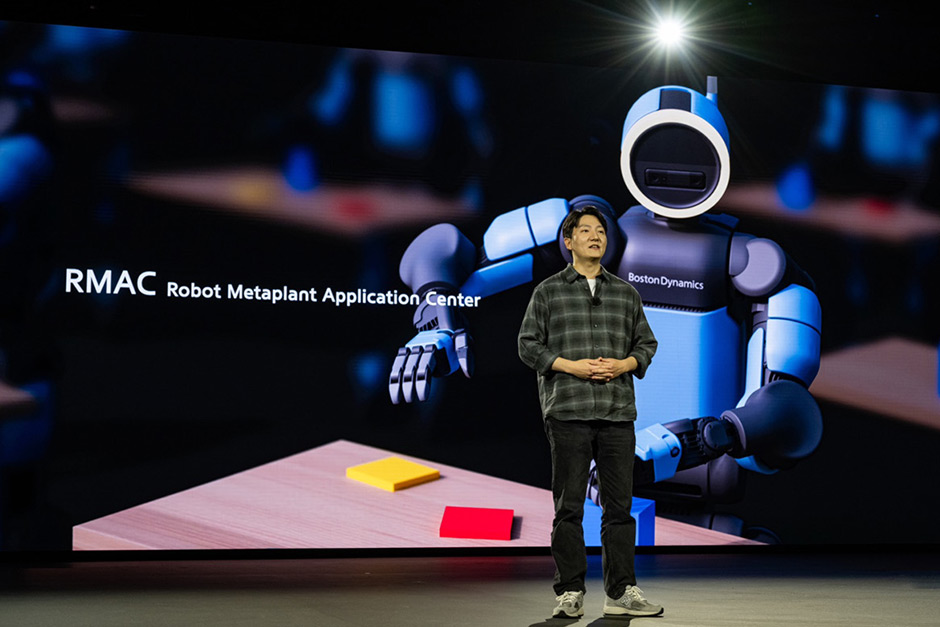
The annual Consumer Electronics Show (CES) consistently serves as a global stage for showcasing cutting-edge innovation. Among the myriad of technological advancements presented, Hyundai Motor Group (HMG) has again highlighted its ambitious trajectory, particularly in the realm of AI robotics. Their presence at CES 2026 underscored a strategic pivot, demonstrating how the conglomerate is adeptly utilizing its expansive collective strengths to emerge as a leader in this rapidly evolving field.
Leveraging a Diverse Portfolio for Robotics Advancement
HMG’s approach to AI robotics is characterized by a distinctive synergy born from its varied subsidiaries. Far from being a singular endeavor, it’s a concerted effort that draws upon expertise from across its automotive brands (Hyundai, Kia, Genesis), specialized robotics firms like Boston Dynamics, and future mobility solutions providers. This integration allows HMG to develop robotics that are not only advanced in their artificial intelligence capabilities but also practical and scalable for real-world application.
The acquisition of Boston Dynamics, renowned for its agile humanoid and quadruped robots, has significantly bolstered HMG’s foundational robotics research and development. This specialized expertise is then being married with Hyundai and Kia’s deep understanding of manufacturing processes and large-scale production. The result is a holistic ecosystem where advanced robotic platforms can be integrated seamlessly into diverse sectors, from smart factories and logistics to future urban air mobility infrastructure. “The combination of advanced robotic platforms with automotive-scale manufacturing and diverse application insights creates a powerful ecosystem for innovation,” one industry observer noted, highlighting the strategic advantage of HMG’s integrated model.
AI’s Role in Shaping Next-Generation Robotics
At the core of HMG’s vision is the transformative power of artificial intelligence. AI is not merely an add-on but an intrinsic component driving the intelligence, autonomy, and adaptability of their robotic systems. This includes sophisticated machine learning algorithms for perception and decision-making, enabling robots to navigate complex environments, interact safely with humans, and perform intricate tasks with unprecedented precision.
From enhancing factory automation through collaborative robots that learn and adapt, to developing autonomous last-mile delivery solutions, AI is making these systems smarter and more efficient. HMG’s focus extends to predictive AI for maintenance, ensuring the reliability and longevity of their robotic assets, and even exploring AI-driven personal mobility solutions that offer greater accessibility and convenience. This emphasis on intelligent autonomy positions HMG to lead not just in building robots, but in creating intelligent systems that can learn, evolve, and seamlessly integrate into human lives and industries.
A Future Driven by Intelligent Solutions
Hyundai Motor Group’s bold showcase at CES 2026 paints a clear picture of a company transitioning beyond traditional automotive manufacturing to become a comprehensive smart mobility and solutions provider. By strategically harnessing its collective strengths across various domains and placing AI at the forefront of its robotics development, HMG is not just participating in the future of technology; it is actively shaping it.
The implications of this integrated approach are far-reaching, promising advancements in efficiency, safety, and convenience across multiple sectors. As these intelligent robotic systems become more sophisticated and widely adopted, HMG is poised to deliver transformative technologies that enhance industrial productivity, revolutionize logistics, and ultimately, improve the quality of daily life for individuals worldwide.
—

