


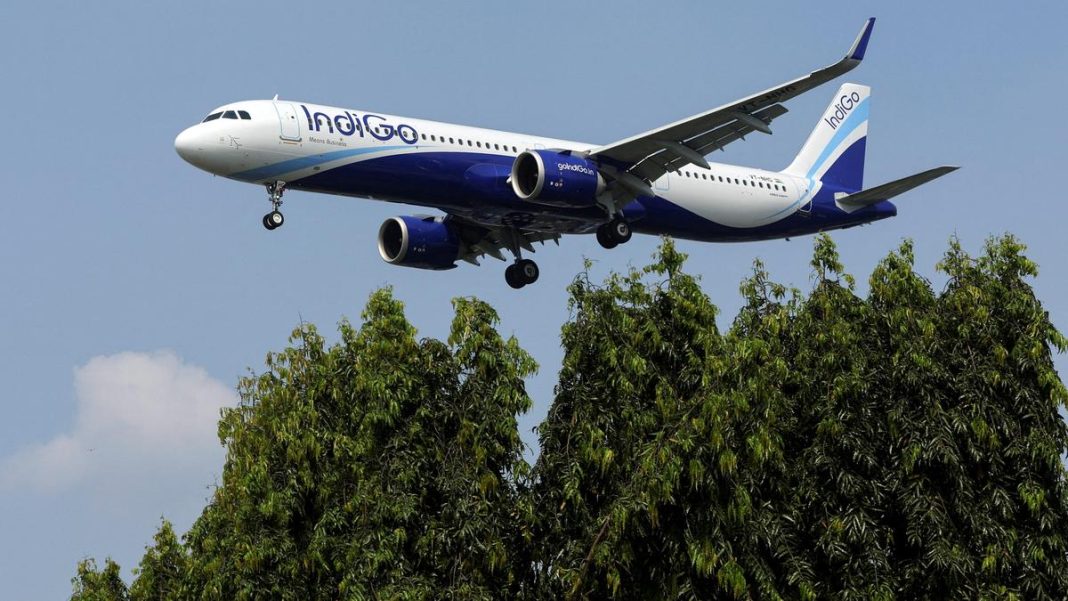
In a significant development for the Indian aviation sector, the Centre has announced the removal of caps on domestic airfares, effective August 31, 2022. This decision comes after a period of approximately three months since the last extension of these price bands, and over two years since they were first introduced to stabilize the industry amidst the unprecedented challenges of the COVID-19 pandemic. The move marks a crucial step towards restoring full market dynamics, allowing airlines greater operational flexibility and potentially leading to a more competitive pricing environment for travellers across the country.
The Trajectory of Price Controls
The imposition of fare caps in May 2020 was an extraordinary measure undertaken by the Ministry of Civil Aviation to address the severe disruption caused by the nationwide lockdown and the subsequent cautious resumption of air travel. With flights operating at reduced capacities and passenger confidence at an all-time low, the government introduced minimum and maximum price bands for domestic flights. These bands were determined based on flight duration, aiming to prevent airlines from engaging in predatory pricing during periods of low demand, while also safeguarding consumers from exorbitant fares once demand began to pick up.
The caps were initially set for specific routes and flight durations, providing a safety net for airlines struggling with fixed costs and limited revenue, while also ensuring affordability for passengers. Over the subsequent months, these caps were periodically reviewed and adjusted in response to changing market conditions, including passenger load factors and the price of Aviation Turbine Fuel (ATF). The most recent extension, which mandated the continuation of these bands for another three months, concluded on August 30, paving the way for the complete deregulation.
The government’s stated intention behind the latest removal is the significant stabilization of the aviation ecosystem. Factors such as consistent growth in passenger traffic, improved operational efficiencies, and a slight moderation in crude oil prices—which directly impact ATF costs—have contributed to this sense of stability. The belief is that the market is now robust enough to self-regulate, with competition among carriers serving as the primary mechanism for price determination.
Implications for Airlines and Passengers
The removal of airfare caps ushers in a new era of pricing strategy for Indian carriers. Airlines like IndiGo, Vistara, SpiceJet, Air India, and Akasa Air will now have complete autonomy to set their fares based on dynamic pricing models, demand-supply economics, and competitive pressures. This flexibility is particularly crucial for airlines battling the volatile costs of Aviation Turbine Fuel, which constitutes a significant portion of their operational expenses. Without the upper limits, carriers can potentially recover higher costs during peak travel seasons or on high-demand routes, improving their revenue streams and overall financial health.
For passengers, the impact is likely to be multifaceted. On one hand, the absence of lower price bands could theoretically lead to higher fares during festival seasons, long weekends, or for last-minute bookings, especially on popular routes. Airlines will be free to charge premium prices when demand significantly outstrips supply. On the other hand, increased competition among carriers, particularly with newer players entering the market, could lead to more aggressive pricing strategies during lean periods or on less popular routes, potentially resulting in attractive discounts for early bookings or off-peak travel.
An industry analyst, commenting on the development, stated, “This move reflects the government’s confidence in the aviation sector’s recovery and its belief in the efficacy of market forces to determine fair pricing. While passengers might see higher peak-period fares, the overall competitive landscape should ensure that airlines remain conscious of affordability to maintain load factors.” This sentiment underscores the delicate balance between airline viability and consumer interest that the market is now expected to manage.
Navigating the Competitive Skies
The Indian domestic aviation market is known for its intense competition, often characterized by price wars. With the removal of caps, this competition is expected to intensify further. Airlines will strategically deploy dynamic pricing, offering a range of fares from budget-friendly options for early birds to premium pricing for urgent or flexible travel needs. This dynamic environment will encourage passengers to plan their travel well in advance to secure better deals, as prices are likely to escalate closer to the travel date or during periods of high demand.
Furthermore, the Directorate General of Civil Aviation (DGCA) will continue to monitor air ticket prices to ensure that airlines do not engage in price gouging or anti-competitive practices. While direct intervention in pricing has been lifted, the regulatory body retains its oversight function to protect consumer interests against unfair trade practices. This ongoing vigilance provides a degree of reassurance that unchecked price escalations might face scrutiny, even in a deregulated environment.
The move also aligns with the broader global trend of deregulated aviation markets, where market forces primarily dictate airfare structures. It allows Indian carriers to operate on a more level playing field with international counterparts and provides them the agility needed to respond to global economic shifts and operational challenges, such as volatile fuel prices or currency fluctuations, without governmental price ceilings.
The Centre’s decision to remove airfare caps marks a pivotal moment for Indian civil aviation, signaling a return to a fully market-driven pricing regime after a significant period of intervention. While it offers airlines crucial operational flexibility and the ability to optimize revenue, passengers will need to adapt to a more dynamic pricing landscape. The onus is now on both carriers to offer competitive and transparent pricing, and on travellers to be savvy about booking strategies. As the sector continues its recovery trajectory, the interplay of supply, demand, and robust competition will ultimately shape the future of air travel affordability and accessibility in India.

