


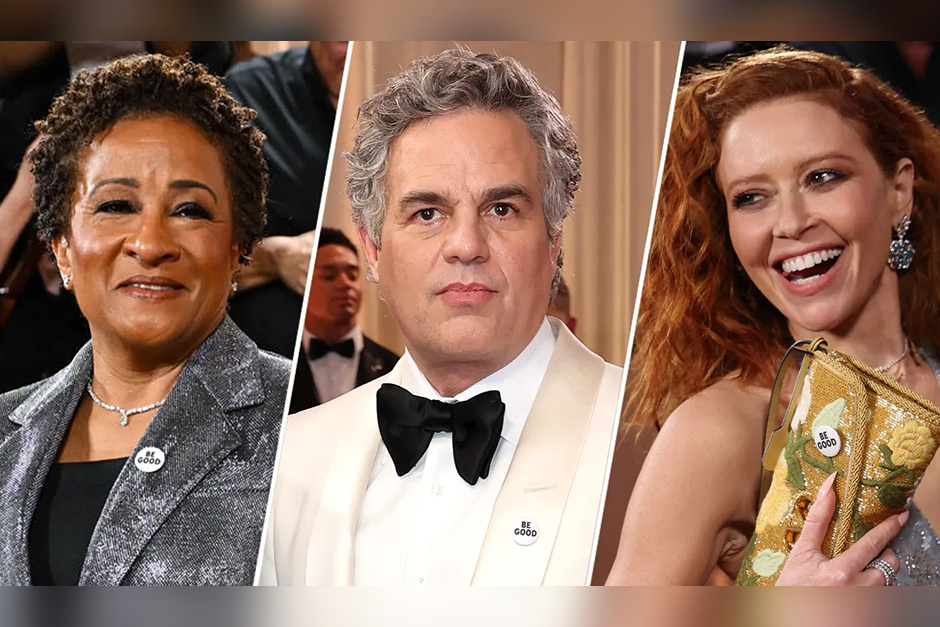
The red carpet, often a dazzling display of fashion and glamour, has increasingly evolved into a significant platform for social and political statements. Beyond the designers and daring styles, many public figures now leverage this global spotlight to draw attention to various causes. A recent example that captured widespread attention involved numerous celebrities at the Golden Globes, who chose to adorn their ensembles with distinctive pins signaling a particular message.
A History of Red Carpet Activism
Using high-profile events to communicate a message is not a new phenomenon in Hollywood. Over the years, we’ve seen various forms of silent protest and advocacy woven into the fabric of these ceremonies. From the black attire worn in solidarity with the #MeToo and Time’s Up movements, to ribbons supporting AIDS awareness or environmental causes, celebrities have consistently utilized the immense visibility of award shows to amplify societal discussions. This practice transforms what might otherwise be purely an entertainment spectacle into a space for broader discourse, bringing complex issues to mainstream attention.
The power of a celebrity endorsement, even a subtle one like a pin, lies in its ability to reach millions and spark conversations that might not otherwise occur in such a prominent fashion. It shifts the focus, even momentarily, from individual achievement to collective concern, reflecting a growing trend among public figures to use their platform for purposes beyond entertainment.
The Message Behind the Pins
At the recent Golden Globes, many prominent actors and filmmakers were seen wearing small, often circular or rectangular pins. While designs varied slightly, a common theme involved phrases like “Free Them All” or calls to “Abolish ICE.” These statements directly reference U.S. Immigration and Customs Enforcement (ICE), a federal agency responsible for enforcing immigration laws.
The decision to wear these pins stems from ongoing public debate and scrutiny surrounding U.S. immigration policies. Advocates and critics of current policies often raise concerns about various aspects of ICE’s operations, including detention conditions, family separation practices, and the overall approach to immigration enforcement. The pins served as a visual, collective statement from those on the red carpet who wish to draw attention to these issues and advocate for reform or significant changes to the existing system.
As one cultural observer noted, “When a recognizable face wears a symbol, it instantly legitimizes the conversation for many. It’s a powerful form of non-verbal communication that bypasses traditional media gatekeepers and speaks directly to the public consciousness about urgent human rights concerns.” This kind of activism aims to prompt viewers to research the issues further and engage in the broader dialogue.
The presence of these protest pins at the Golden Globes underscores the continuing evolution of red carpet events as forums not just for artistic celebration, but also for social commentary. Celebrities, utilizing their unique visibility, are increasingly choosing to stand in solidarity with movements and articulate concerns about pressing societal issues. Whether through bold fashion choices or subtle adornments, the trend of turning the awards stage into a platform for advocacy appears to be a sustained and significant aspect of contemporary public discourse, reflecting the belief that art and activism can, and often do, intersect.

