


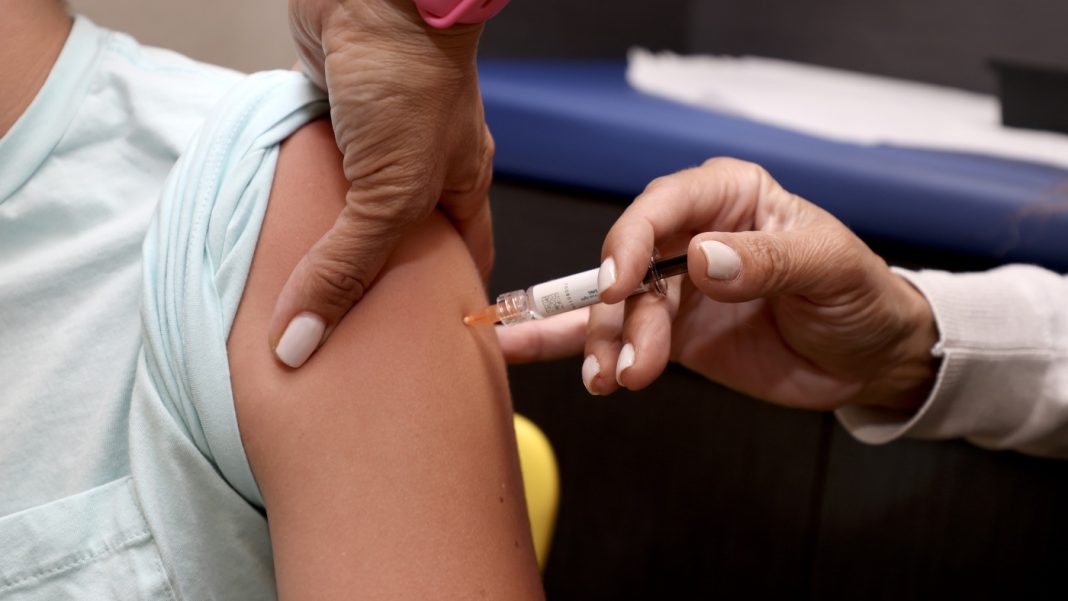
In a world that moves faster than ever, where new information surfaces almost daily, it’s only natural that even the most established cornerstones of public health might get a second look. That’s precisely what’s happening at the highest levels of our health advisory systems. The CDC’s vaccine advisers are embarking on a thoughtful, fresh examination of long-used vaccines – not out of doubt, but out of a commitment to continuous improvement and scientific rigor. It’s a sign that our public health guardians are always learning, always adapting, and always striving to give us the best, most current advice possible.
Why a Fresh Look at Familiar Shields?
Think of it like this: your car gets regular check-ups, even if it’s been running perfectly for years. Why? Because conditions change, technology evolves, and what was cutting-edge maintenance a decade ago might have a more refined approach today. The same principle applies to vaccines.
Our understanding of immunology, virology, and public health is constantly expanding. New data emerges from ongoing research, population demographics shift, and even the pathogens themselves can evolve. A “fresh look” at established vaccines isn’t about questioning their fundamental safety or effectiveness; it’s about optimizing their application in our evolving world. It’s about asking:
- Are there new ways to schedule doses for better, longer-lasting protection?
- Do specific groups (like the elderly, immunocompromised, or those with underlying conditions) have different needs that weren’t fully understood years ago?
- Has our understanding of vaccine-induced immunity progressed to a point where subtle adjustments could yield significant benefits?
This proactive re-evaluation ensures that vaccine recommendations remain not just effective, but optimally effective and tailored to the most current scientific landscape. It’s a testament to the dynamic nature of science itself – always questioning, always refining, always seeking better answers.
What This Means for Public Health and You
The CDC’s Advisory Committee on Immunization Practices (ACIP) is the group spearheading this deep dive. Their work is meticulous, involving experts from various fields who review mountains of data, studies, and real-world outcomes. Their recommendations are the bedrock of immunization schedules across the nation, guiding doctors, nurses, and ultimately, families like yours.
This process is an integral part of maintaining public trust. It demonstrates that vaccine science isn’t static dogma but a living, breathing field committed to self-correction and advancement. When experts openly and transparently re-examine even the most fundamental tools in their arsenal, it reinforces the message that decisions are always evidence-based and subject to continuous scrutiny.
As Dr. Evelyn Reed, a public health specialist, recently put it, “Our commitment to public health isn’t a one-time declaration; it’s a continuous, dynamic process of re-evaluation and refinement. These reviews ensure our recommendations remain as robust and relevant as possible.” This continuous vigilance helps us adapt to new challenges, whether it’s the emergence of new health threats or a deeper understanding of how existing threats interact with our populations.
Staying Ahead of the Curve
Ultimately, this fresh look at long-used vaccines is a powerful indicator of a robust, proactive public health system. It’s about ensuring that our shields remain polished and perfectly suited for the challenges of today and tomorrow. It means that the recommendations you receive from your healthcare provider are not just based on foundational science, but on the very latest interpretations and discoveries within that science.
So, as the conversation around these vital health tools evolves, remember that this re-evaluation is a testament to scientific integrity and a commitment to keeping you and your community as safe and healthy as possible. It’s not a step backward, but a confident stride forward in the endless pursuit of optimal public health.

