


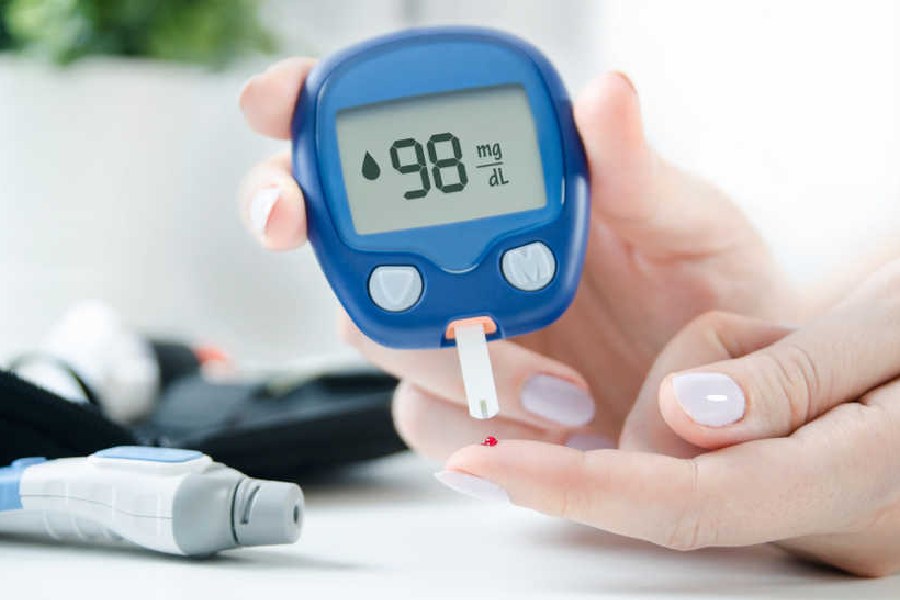
India stands at a critical juncture in its battle against diabetes, often dubbed the “diabetes capital of the world.” With millions grappling with the condition, accurate and timely diagnosis is paramount. For years, the Glycated Hemoglobin (HbA1c) test has emerged as a preferred method, offering convenience by not requiring fasting and providing an average blood sugar level over two to three months. However, a recent and significant advisory from a panel of prominent Indian diabetologists and endocrinologists has urged caution, warning against the exclusive reliance on HbA1c for the primary diagnosis of diabetes.
This nuanced perspective, crucial for a country with diverse demographics and specific health challenges, suggests that while HbA1c remains an invaluable tool for monitoring existing diabetes, its diagnostic accuracy can be compromised in certain scenarios prevalent in the Indian population. The medical community is now advocating for a more comprehensive and context-sensitive diagnostic approach.
The HbA1c Conundrum: A Closer Look
The HbA1c test measures the percentage of hemoglobin in red blood cells that is coated with sugar (glycated). A higher percentage indicates higher average blood sugar levels over the preceding months. Its ease of use and ability to reflect long-term control have made it popular globally. However, the expert panel highlights that several factors can influence HbA1c levels independent of actual blood glucose, leading to potentially misleading diagnostic results.
One of the primary concerns, particularly relevant to India, is the high prevalence of conditions affecting red blood cells. Iron deficiency anemia, a widespread nutritional issue, and various hemoglobinopathies like thalassemia minor, are common in the subcontinent. These conditions can alter red blood cell lifespan or hemoglobin structure, thereby artificially lowering or raising HbA1c values, even when actual blood sugar levels suggest otherwise. For instance, in individuals with iron deficiency anemia, HbA1c levels can be falsely elevated, potentially leading to an erroneous diabetes diagnosis. Conversely, conditions like G6PD deficiency or certain kidney diseases can cause falsely low HbA1c readings, masking true diabetes.
Furthermore, genetic variations, which are diverse across Indian populations, can also impact HbA1c readings. This variability underscores the panel’s warning: relying solely on HbA1c without considering a patient’s full medical history, genetic background, and co-existing conditions could result in misdiagnosis or delayed diagnosis in a significant number of individuals.
Beyond HbA1c: Embracing a Holistic Diagnostic Approach
The panel’s advisory does not diminish the utility of HbA1c but rather calls for a more discerning application, especially in initial diagnosis. Instead, they recommend a multi-pronged strategy that often involves combining HbA1c results with other traditional diagnostic tests like the Fasting Plasma Glucose (FPG) and the Oral Glucose Tolerance Test (OGTT).
The FPG test measures blood sugar after an overnight fast and is a direct indicator of glucose regulation. The OGTT, often considered the gold standard for diagnosis in complex cases, involves measuring blood glucose levels before and two hours after consuming a specific glucose drink. This test is particularly effective in identifying impaired glucose tolerance or early-stage diabetes that an HbA1c might miss, especially in individuals with borderline results or those with conditions that affect HbA1c accuracy.
“While HbA1c offers undeniable convenience for monitoring diabetes, we must acknowledge its inherent limitations when it comes to a definitive initial diagnosis, especially given the unique physiological nuances and prevalence of certain conditions within the Indian population,” states Dr. Priya Sharma, a leading endocrinologist based in Mumbai. “A comprehensive diagnostic approach, tailored to the individual, is not just good practice, it’s essential for preventing misdiagnosis and ensuring appropriate, timely intervention.”
Navigating Diabetes Diagnosis in the Indian Context
For Indian patients, this advisory means greater diligence and open communication with their healthcare providers. If a single HbA1c test indicates diabetes, especially without accompanying symptoms, it’s prudent to discuss confirmatory tests like FPG or OGTT, particularly if there’s a history of anemia or other relevant conditions. Doctors, in turn, are encouraged to adopt a more personalized diagnostic pathway, considering the patient’s clinical presentation, risk factors, and potential confounding factors that could skew HbA1c results.
This re-evaluation of diagnostic protocols reflects a growing understanding of diabetes’s complex pathophysiology and the need for precision medicine. It emphasizes that while technological advancements like HbA1c have streamlined care, human clinical judgment, and an awareness of regional specificities remain irreplaceable. The goal is not to discredit a valuable test but to ensure that every diagnosis is as accurate and reliable as possible, setting patients on the correct path to managing their health effectively.
Ultimately, the caution on preferred diabetes tests is a call for elevated standards in diabetes care, ensuring that in the fight against this widespread chronic disease, no stone is left unturned in accurate diagnosis and effective management across India.

