


A recent incident involving a Karnataka Congress MLA’s demand for free IPL tickets and the subsequent directive from the Assembly Speaker has ignited a significant debate across social media and political circles. The episode has once again brought the contentious issue of VIP culture and the entitlements of elected representatives under sharp scrutiny, prompting questions about public service versus perceived privilege.
The Demand and the Directive
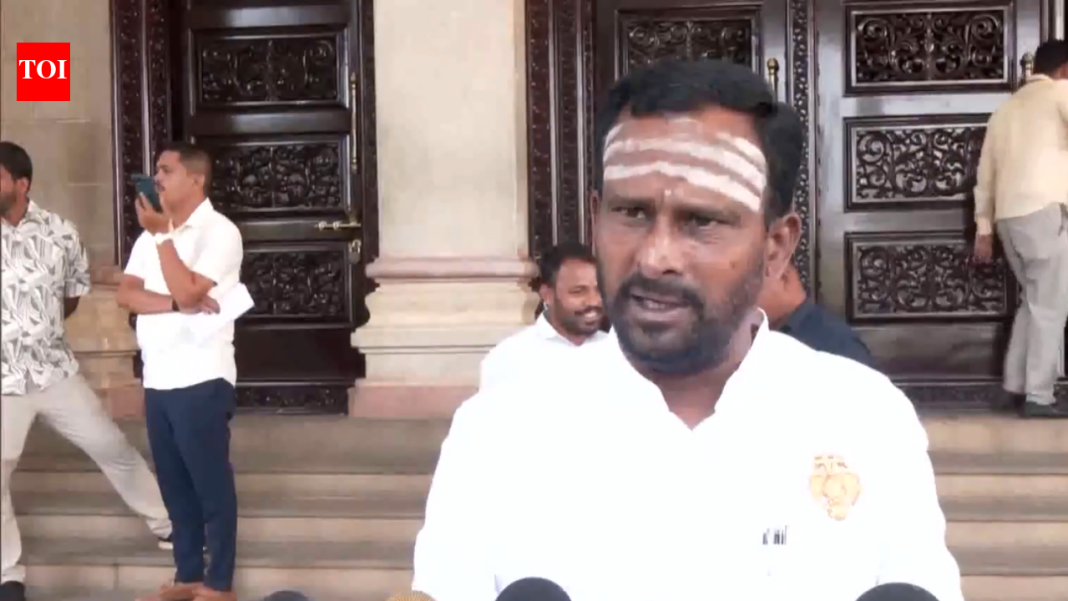
The controversy unfolded in the Karnataka Legislative Assembly when Congress MLA K.M. Shivalinge Gowda, representing the Arsikere constituency, vocally expressed his frustration regarding the difficulty in obtaining tickets for the Indian Premier League (IPL) matches. During a discussion, Gowda asserted that elected representatives should not be subjected to the same inconveniences as the general public when seeking tickets for such high-demand events.
“We can’t stand in queues like general public for tickets,” Gowda reportedly stated, emphasizing that MLAs are “VVIPs” and should be accorded special treatment. He argued that officials from relevant departments should be instructed to facilitate the availability of tickets for legislators, sparing them the hassle of queues or the scramble for online bookings.
The demand quickly resonated with other MLAs present, leading to a swift response from Speaker U.T. Khader. Recognizing the sentiment among the legislators, Speaker Khader promptly directed the Chief Secretary and Bengaluru Police Commissioner to arrange VIP passes for all 224 MLAs and members of the Legislative Council for upcoming IPL matches. This directive, aimed at streamlining access for public representatives, was presented as a measure to acknowledge their status and prevent any inconvenience.
While the Speaker’s action was intended to address the MLAs’ concerns, it inadvertently fueled a larger discussion about the perception of privilege associated with public office. The immediate gratification of the demand, rather than a re-evaluation of the ‘VVIP’ status itself, became a focal point for critics.
Public Outcry and Ethical Debates
The news of the MLA’s demand and the Speaker’s subsequent order spread rapidly, particularly on social media platforms, drawing sharp criticism from the public. Many citizens expressed their dismay, highlighting the apparent disconnect between the priorities of some elected representatives and the everyday struggles of the electorate.
Commentators and netizens questioned the premise that public servants, elected to represent and serve the people, should demand special treatment for leisure activities. The sentiment was that while MLAs deserve respect, their primary role is public service, not the enjoyment of exclusive perks at the expense of general citizens. The debate naturally gravitated towards the ethical implications of using one’s official position to secure advantages not available to the common populace.
A recurring theme in the public reaction was the call for accountability and the eradication of ‘VIP culture’ that often permeates various levels of governance in India. Many argued that such incidents erode public trust and reinforce the perception that politicians operate under a different set of rules. The perception of entitlement, rather than a focus on governance and development, was a major concern raised by the public.
The demand for VIP treatment for IPL tickets, a commercial entertainment event, particularly grated on the public when juxtaposed against pressing issues like infrastructure, public services, and economic challenges faced by ordinary citizens. It sparked a fresh round of introspection on what constitutes appropriate conduct for an elected representative in a democratic society.
As one social media user aptly put it, “While common people stand in line for basic amenities and services, our representatives demand special passes for entertainment. This isn’t public service; it’s entitlement.” This quote encapsulates the widespread sentiment of dissatisfaction with the incident.
Beyond the Tickets: The Larger Picture of VIP Culture
This incident, while seemingly minor in isolation, is emblematic of a broader issue of VIP culture that has long plagued India’s public administration and political landscape. From special queues at airports to exclusive access at public events, the phenomenon of preferential treatment for those in power is deeply entrenched. While certain protocols are necessary for security and smooth functioning, the extension of these privileges to everyday conveniences often blurs the lines between legitimate administrative requirements and unwarranted entitlement.
The Karnataka episode serves as a reminder of the ongoing struggle to dismantle such practices and foster a more egalitarian approach to governance. It highlights the need for elected representatives to lead by example, embracing the principles of equality and public service in both their official duties and personal conduct. The incident is not just about IPL tickets; it’s about the fundamental ethos of public representation in a democracy.
The demand for free IPL tickets by a Karnataka MLA and the subsequent official directive underscore a persistent tension between the expectations of public service and the perceived entitlements of power. While the Speaker’s intention might have been to avoid inconvenience to legislators, the public reaction clearly indicates a strong desire for elected representatives to align more closely with the experiences and challenges of the citizens they serve. This incident will likely serve as another chapter in the ongoing national conversation about privilege, accountability, and the true meaning of public service in India.

