


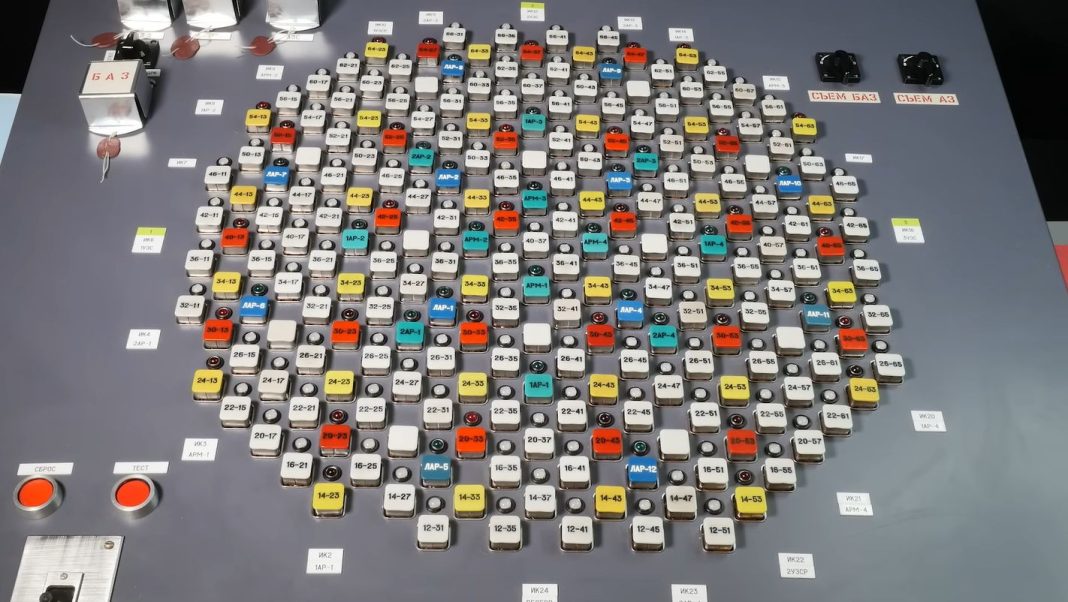
In a world increasingly dominated by sleek touchscreens and minimalist interfaces, there’s a unique fascination with the analog behemoths of yesteryear. Imagine a control panel bristling with hundreds of physical buttons, chunky switches, and glowing indicator lights – a true labyrinth of human-machine interaction. But what if that panel wasn’t just any retro relic, but the legendary, complex heart of an RBMK reactor, specifically from Chernobyl?
For a select few intrepid makers and historians, the answer isn’t just to imagine it, but to build it. Recreating a working Chernobyl RBMK reactor control panel isn’t merely a project; it’s an archaeological excavation into the digital and physical past, an homage to a specific era of engineering, and an extraordinary feat of dedication.
The Ghost in the Machine: Rekindling an Icon
Why undertake such a monumental task? The allure is multifaceted. For some, it’s the ultimate simulator accessory, bringing an unparalleled level of immersion to reactor simulation games. For others, it’s a deep dive into industrial design history, exploring the philosophical approaches to control systems from a bygone era. The sheer complexity of the RBMK panel, with its unique layout and often counter-intuitive safety mechanisms (by modern standards), presents a formidable challenge that appeals to the most ambitious minds.
The initial phase involves exhaustive research. This isn’t about guesswork; it’s about meticulously scouring archival photos, technical documents, and even the increasingly detailed 3D models available online. Every button, every lamp, every switch must be accounted for. The goal isn’t just a facade, but an operational replica that mirrors the original’s functionality, albeit connected to a sophisticated software simulator rather than a real nuclear core.
Wiring the Past: From Schematics to Switches
Bringing the vision to life requires a fusion of old-school craftsmanship and cutting-edge hobbyist electronics. Hundreds of individual components need to be sourced, fabricated, and wired. We’re talking about custom-printed circuit boards, microcontrollers like Arduino or Raspberry Pi handling the intricate logic, and a vast array of custom-made buttons, toggle switches, and potentiometers that visually and tactilely match the originals. The distinctive fonts, the faded colors, the specific feel of a switch throw – these details are paramount to an authentic experience.
The wiring itself is a testament to patience and precision. Each button press, each switch flip, needs to send a precise signal to the underlying simulation software. This often means writing custom code that translates physical inputs into digital commands, ensuring that the panel truly “talks” to the simulator. One builder, known online as ‘Reactor_Revivalist,’ mused, “It’s not just about soldering wires; it’s about reverse-engineering a philosophy of control. You start to understand why things were laid out the way they were, and how operators navigated this incredible complexity under pressure.”
The Glow and the Glory: Powering Up the Past
The moment of truth arrives when the final connections are made, the power supply is engaged, and the panel comes alive. The satisfying click of a toggle, the warm glow of an incandescent indicator lamp, the gentle hum of the electronics – it’s an orchestra of retro-futuristic delight. Interacting with the finished panel provides an immersive window into a critical piece of history. It offers a tangible understanding of the operational challenges faced by the engineers who once commanded such machines.
More than just a fascinating display piece, a working RBMK control panel simulation becomes a powerful educational tool. It allows enthusiasts to explore the intricate dance of reactor physics, practice emergency procedures (in a safe, simulated environment), and gain a profound respect for the complex systems that power our world. It’s a journey into engineering, history, and the enduring human quest to understand and master complex technology, even if that technology carries a heavy legacy.
The creation of a working Chernobyl RBMK control panel isn’t just a technical achievement; it’s a statement about curiosity, dedication, and the power of individuals to breathe new life into the most iconic artifacts of our past.

