


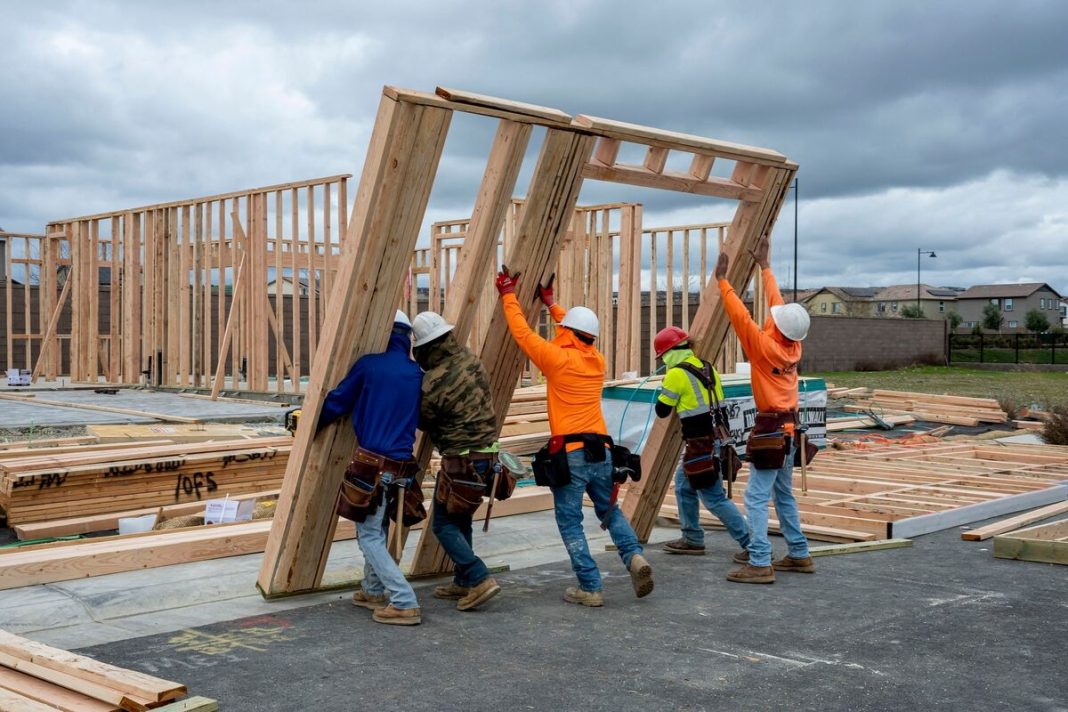
A new and undeniably bold strategy is emerging in the housing development sector, stirring conversation and speculation across the industry. Builders are reportedly championing the concept of ‘Trump Homes’ as a pivotal pathway to secure the necessary approvals for an ambitious goal: the construction of a million new houses. This isn’t just about constructing new dwellings; it’s about leveraging a recognizable name and its associated political will to cut through red tape and fast-track development on an unprecedented scale.
The ‘Trump Homes’ Strategy Unpacked
The phrase ‘Trump Homes’ might conjure images of gilded towers, but in this context, it’s being used as a strategic branding and lobbying tool by developers. The core idea revolves around promoting projects that align with a deregulatory ethos, aiming to streamline the often-cumbersome planning and approval processes that can delay or halt large-scale housing initiatives. Proponents argue that by invoking a name synonymous with a pro-business, less-regulation stance, they can garner political support and accelerate projects designed to significantly boost housing supply.
The target of a million new homes signals a response to a pressing national housing shortage. Developers believe that by framing their proposals under this banner, they can create a political environment more conducive to rapid construction, potentially bypassing lengthy environmental reviews or local zoning obstacles that have historically proven challenging for large developments. This strategy isn’t just about building houses; it’s about building them faster and in greater numbers by changing the narrative around development.
Political Play or Practical Solution?
This initiative clearly operates at the intersection of practical housing needs and savvy political maneuvering. On one hand, the dire need for more affordable and accessible housing is undeniable across many regions. If the ‘Trump Homes’ approach genuinely leads to a significant increase in housing stock, it could alleviate market pressures and provide homes for many. Lowering development costs through deregulation could also, in theory, translate to more affordable housing options for buyers.
However, the strategy is not without its critics and complexities. Some observers question whether the focus on speed and deregulation might compromise build quality, environmental standards, or the character of existing communities. There’s also the inherent political divisiveness that comes with attaching such a prominent political figure’s name to a development strategy. “While the idea of accelerating housing is appealing, we must ensure that expediency doesn’t override critical planning and sustainability considerations,” comments one urban policy analyst. “The long-term impact on communities and infrastructure needs careful thought, regardless of the label.” The debate therefore extends beyond mere construction to encompass broader societal and environmental responsibilities.
The Road Ahead for Developers and Homebuyers
For developers, successfully implementing the ‘Trump Homes’ strategy will require navigating not just regulatory frameworks, but also public perception and political headwinds. They will need to demonstrate that their projects can deliver on promises of increased housing while maintaining quality and addressing local concerns. Success could set a precedent for future large-scale developments, potentially transforming how housing projects are conceived and approved nationwide.
For prospective homebuyers, the promise of a million new houses offers a glimmer of hope in an often-frustrating market. If this initiative gains traction and delivers, it could lead to a more balanced supply-demand dynamic, potentially stabilizing or even lowering housing costs in some areas. However, buyers will also be keenly watching the quality, location, and long-term value of these new properties, understanding that a fast-tracked approach shouldn’t come at the expense of sound investment.
The ‘Trump Homes’ concept represents a fascinating blend of real estate ambition and political branding. It aims to tackle a critical housing shortage by invoking a specific political philosophy, promising efficiency and scale. The coming months will reveal whether this bold strategy can successfully translate political momentum into tangible homes, reshaping both the landscape of housing development and the lives of millions.

