


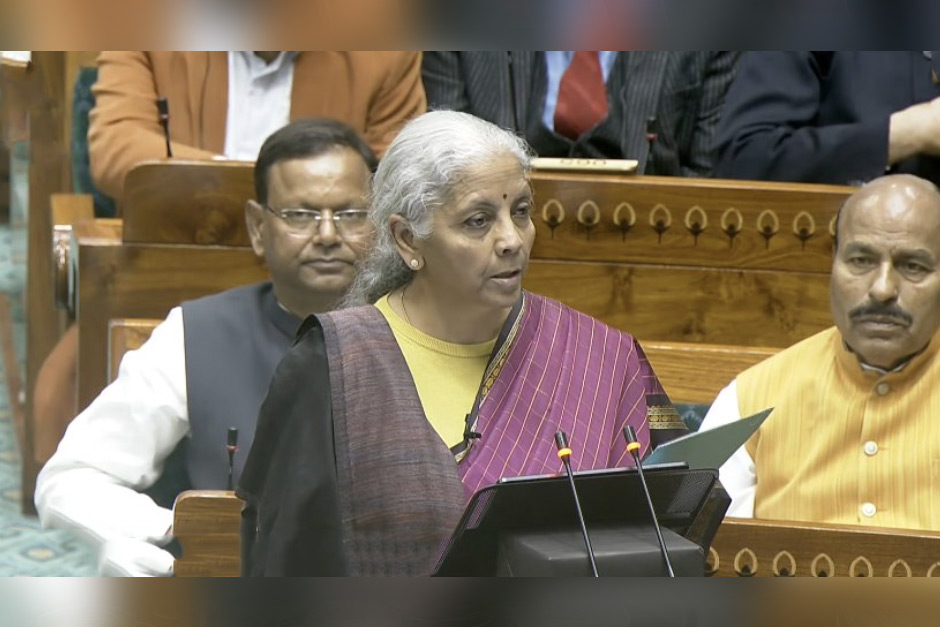
As the Union Finance Minister unveiled the highly anticipated Budget 2026-27, millions of households across India held their breath, eager to understand how the government’s financial blueprint would impact their everyday expenses. Beyond the macroeconomic figures and policy announcements, the real question for the common man remains: what will now cost less, and what will demand a bigger bite out of the wallet? This budget, framed against a backdrop of global economic shifts and a continued focus on domestic growth, brings a mixed bag of fortunes for consumers and industries alike.
Boosting Domestic Production: Relief for Consumers
A significant thrust of Budget 2026-27 is evidently towards bolstering indigenous manufacturing and fostering a self-reliant economy. This strategic pivot translates directly into potential savings for consumers in several key sectors. Consumers can look forward to relief, particularly in segments where the government has rationalised import duties on raw materials or provided production-linked incentives to local manufacturers.
One of the primary beneficiaries appears to be the electronics sector. The budget proposes a reduction in customs duties on specific components used in the assembly of smartphones, LED televisions, and certain consumer appliances manufactured within India. This move is expected to make ‘Made in India’ gadgets more competitive and affordable, potentially bringing down the prices of popular models across various brands. Similarly, components for electric vehicles (EVs) and their charging infrastructure have seen duty rationalisation, aiming to accelerate India’s transition to green mobility. This could make purchasing an EV a more attractive proposition for the burgeoning middle class.
Furthermore, the government’s continued emphasis on affordable housing seems to yield benefits. A targeted set of construction materials, particularly those promoting sustainable building practices, have received exemptions or reduced Goods and Services Tax (GST) rates. This could potentially translate into lower costs for developers and, subsequently, more accessible housing options for buyers in specific segments, particularly those opting for eco-friendly homes.
Premium Purchases and Imports: Higher Price Tags
While the budget offers relief in certain areas, it simultaneously tightens the purse strings on others, particularly non-essential imports and luxury goods. The underlying philosophy here is to discourage reliance on foreign products where domestic alternatives exist or to generate additional revenue from discretionary spending.
Consumers eyeing high-end imported goods should prepare for steeper prices. The budget has notably increased customs duties on a range of luxury items, including premium foreign automobiles, certain high-end electronics not manufactured domestically, and designer apparel. This move is aimed at curbing the outflow of foreign exchange and promoting the consumption of Indian-made equivalents. The finance ministry’s intent is clear: to steer consumer spending towards products that contribute to the domestic economy and reduce the import bill.
Beyond luxury, certain ‘sin goods’ have also seen duty hikes. Tobacco products and imported alcoholic beverages have been subjected to increased excise duties, a common fiscal measure often implemented to generate revenue and subtly discourage consumption. This annual exercise reinforces the government’s stance on public health and fiscal prudence.
Dr. Anjali Sharma, a leading economic analyst, commented on the budget’s strategic intent, stating, “The 2026-27 budget skillfully balances the imperatives of domestic manufacturing growth with fiscal prudence. While consumers will see relief in everyday indigenous products, the hike on premium imports signals a clear push towards self-reliance and responsible consumption, aligning with the ‘Atmanirbhar Bharat’ vision.”
The Balancing Act: An Eye on Growth and Self-Reliance
In conclusion, Budget 2026-27 is a carefully calibrated exercise designed to propel India towards its long-term economic goals. By making essential and domestically produced goods more affordable, the government aims to stimulate local demand and empower the manufacturing sector. Conversely, by increasing the cost of luxury and non-essential imports, it seeks to manage the trade balance, encourage local alternatives, and generate revenue for public expenditure. For the average Indian consumer, the budget presents a clear directive: embracing local products will likely lead to greater savings, while a preference for imported luxuries will come with a higher premium. The coming fiscal year will undoubtedly test the effectiveness of these measures in shaping consumer behaviour and driving national economic growth.

