


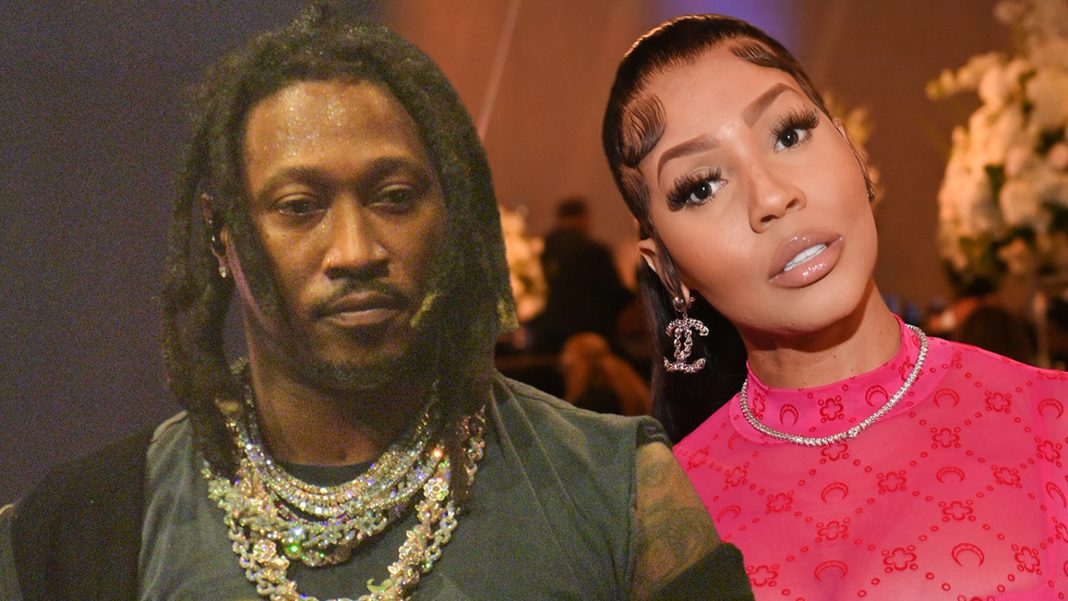
The saga between rapper Future and his ex-fiancée, Brittni Mealy, has taken another dramatic turn, with Mealy openly stating her wish for the artist to face jail time. This isn’t just a casual social media lament; it’s a profound expression of frustration rooted in ongoing disputes over child support and alleged parental neglect. The public back-and-forth has captivated many, highlighting the often-strenuous realities of co-parenting, especially when high-profile lives are involved.
Mealy’s calls for Future’s incarceration stem from a deep-seated belief that he has consistently failed to meet his parental obligations, both financially and emotionally, towards their son, Prince. Her recent social media commentary has been raw and unfiltered, pulling back the curtain on what she describes as a relentless struggle to ensure her child receives adequate support and paternal involvement.
The Heart of Brittni Mealy’s Grievance
Brittni Mealy’s frustration isn’t new, but her latest statements reveal a deepening sense of despair over what she perceives as Future’s willful neglect. She has publicly aired grievances about what she feels is an inadequate child support arrangement and, more significantly, the rapper’s alleged absenteeism from their son’s life. Mealy has painted a picture of herself as a near-single parent, burdened with the full weight of raising Prince while Future, despite his considerable wealth, allegedly provides insufficient support and engagement.
For Mealy, the issue transcends mere finances. It’s about accountability and the emotional toll on a child who may feel the absence of a parent. Her demand for jail time is often interpreted as a desperate measure, an attempt to force a legal and moral reckoning that she believes other avenues have failed to achieve. She wants the legal system to intervene decisively, sending a clear message about parental responsibility that she feels Future has consistently ignored. This public plea resonates with many who have experienced similar struggles in navigating child support and co-parenting challenges.
Legal Ramifications and the Call for Contempt
When someone demands jail time in a child support dispute, it’s not a light request. It typically signifies a move to have a parent held in contempt of court. This serious legal action is reserved for individuals who have demonstrably and repeatedly violated court orders, such as those related to child support payments or visitation agreements. If a court finds an individual in civil contempt, they can indeed be incarcerated until they comply with the order – in this case, making good on their child support obligations.
The mechanism is designed to enforce judicial rulings and ensure children receive the support they are legally entitled to. While it is a powerful tool, it’s generally considered a last resort. “Requesting jail time in child support matters is a last resort, typically reserved for blatant, repeated disregard of court orders,” notes legal analyst Sarah Jenkins. “It’s a powerful tool meant to enforce parental responsibility when other measures have failed, and courts don’t take such requests lightly, especially in high-profile cases.” The potential for incarceration serves as a significant motivator for compliance, underscoring the legal system’s commitment to protecting the welfare of children.
What Lies Ahead in This High-Profile Battle?
The ongoing saga between Brittni Mealy and Future is more than just celebrity gossip; it’s a stark reminder of the complexities and emotional weight of co-parenting disputes, especially when one party commands immense public attention and resources. Mealy’s forceful public statements and demand for legal action elevate the conversation from personal grievances to a public discourse on parental accountability.
As this high-stakes situation continues to unfold, the focus will undoubtedly remain on how the legal system responds to Mealy’s pleas and whether such a drastic measure as incarceration will ever be seriously considered. Regardless of the immediate outcome, this latest development underscores the often-painful reality of co-parenting challenges, particularly when fame and fortune are involved, and serves as a poignant example of a mother’s fight for what she believes is her child’s due.

